Induced Demand: Why Wider Roads Can Increase Traffic
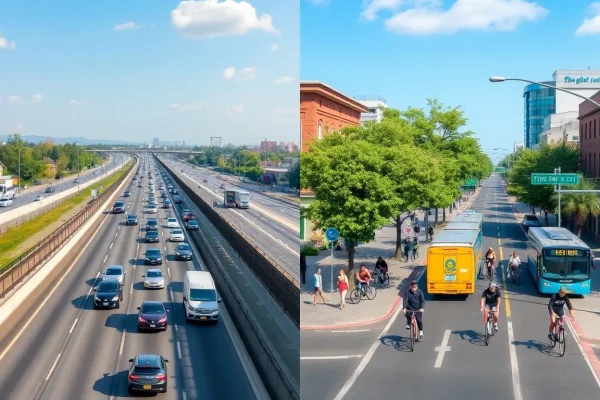
Induced demand is the well-documented phenomenon where expanding road capacity leads to increased traffic volumes, often negating expected congestion relief. This analysis examines the…
Search results
Guides, research and analysis matching your search.
76 resultsInduced demand is the well-documented phenomenon where expanding road capacity leads to increased traffic volumes, often negating expected congestion relief. This analysis examines the…
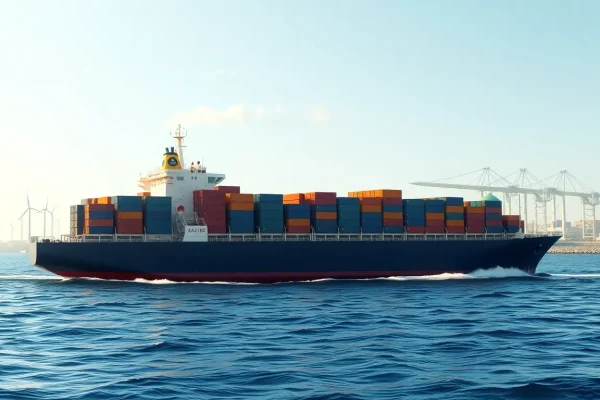
Shipping, the backbone of global trade, accounts for about 2-3% of global greenhouse gas emissions. A combination of energy efficiency, alternative fuels, and operational…
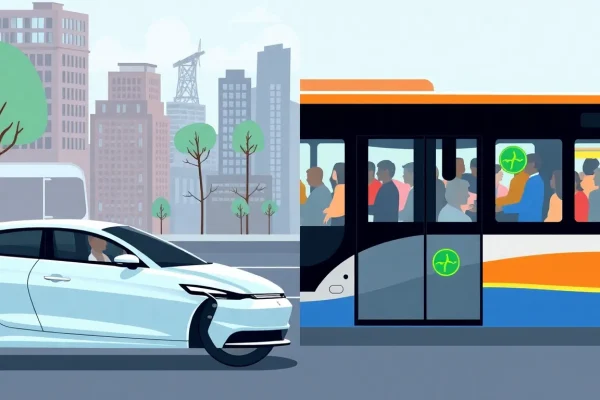
Electric cars and public transport are two key strategies for reducing transport emissions. Public transport generally offers greater efficiency and co-benefits in dense urban…
Vertical farming is the practice of growing crops in vertically stacked layers within controlled indoor environments, using technologies like hydroponics and LED lighting. It…
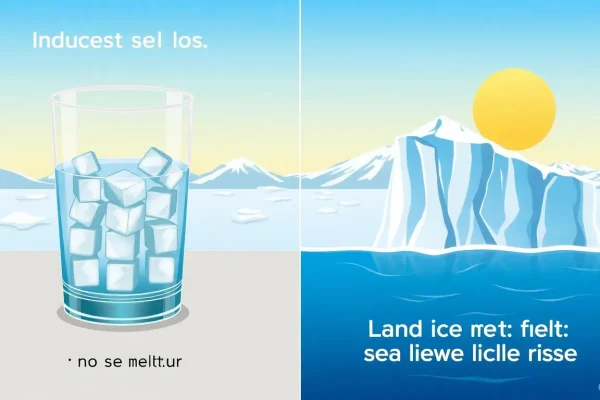
Arctic sea ice loss does not directly raise sea level because floating ice already displaces its own weight in water, following Archimedes' principle. The…
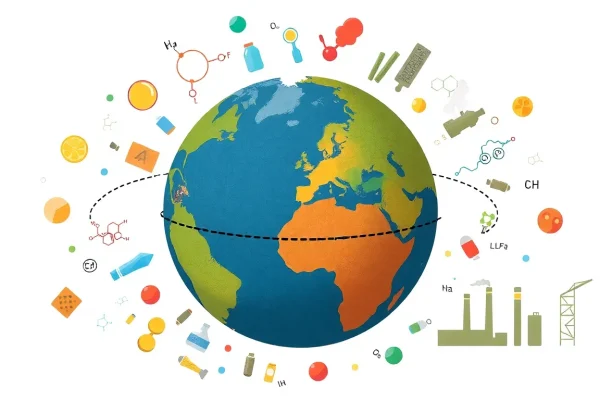
Chemical pollution cannot be captured by a single global boundary because it encompasses hundreds of thousands of diverse substances with different toxicities, environmental fates,…
The 15-minute city concept aims to ensure all essential services are within a short walk or bike ride from home. While it promises reduced…
A sustainable city integrates environmental, social, and economic strategies to reduce its ecological footprint while improving quality of life. The concept is promising and…
Explore how humanity can prosper within Earth's ecological limits through planetary boundaries, resilience, innovation, justice, and sustainable development.
Learn what Nature-Based Solutions are, how they support climate adaptation, biodiversity, and human well-being, and explore their evidence, limitations, and trade-offs.