West Antarctic Ice Sheet Instability Explained
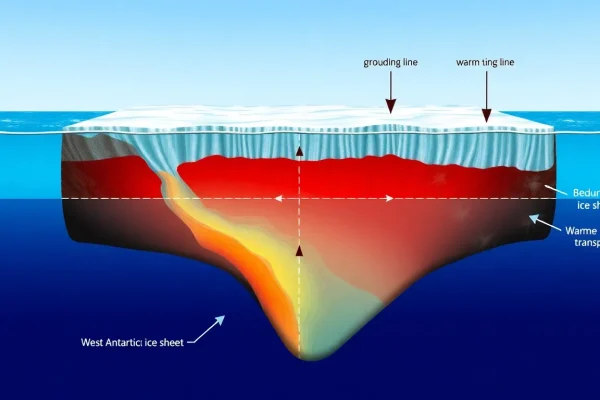
West Antarctic Ice Sheet instability refers to the potential for rapid, irreversible ice loss from the marine-based West Antarctic Ice Sheet due to its…
Search results
Guides, research and analysis matching your search.
76 resultsWest Antarctic Ice Sheet instability refers to the potential for rapid, irreversible ice loss from the marine-based West Antarctic Ice Sheet due to its…
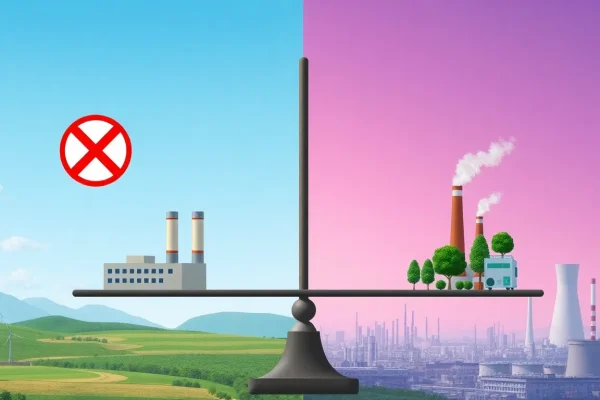
Gross zero emissions means eliminating all greenhouse gas emissions at their source, while net zero allows for some residual emissions to be balanced by…
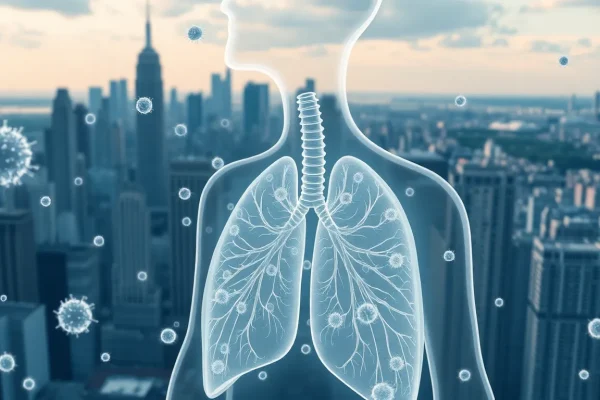
PM2.5 refers to fine inhalable particles with diameters of 2.5 micrometers or smaller. Research consistently links exposure to these particles with increased risks of…
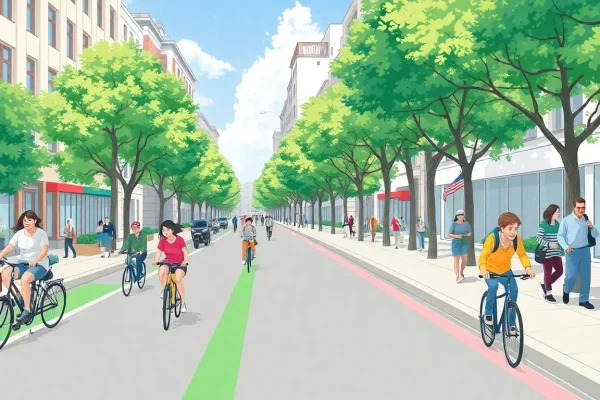
Complete Streets is a design and policy approach that ensures streets are safe and accessible for all users, not just cars. Evidence shows it…
Walking and cycling are low-cost, high-impact solutions for improving public health by increasing physical activity, reducing air pollution, and enhancing mental well-being. Evidence strongly…
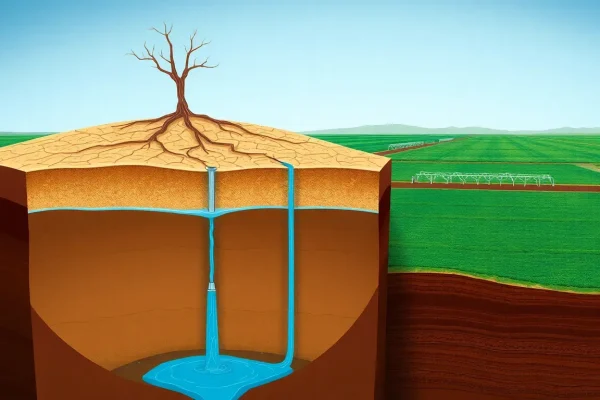
Groundwater depletion is the long-term decline in water stored in underground aquifers due to extraction exceeding natural recharge. Driven primarily by agricultural irrigation, urban…
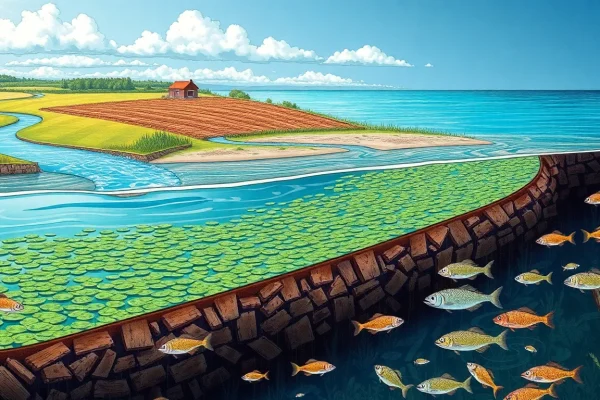
Coastal dead zones are areas of water with extremely low oxygen levels (hypoxia) caused by excessive nutrient pollution, primarily nitrogen and phosphorus from human…
Renovating existing buildings often has lower upfront embodied carbon and can preserve cultural heritage, while new construction allows for modern energy performance and density.…
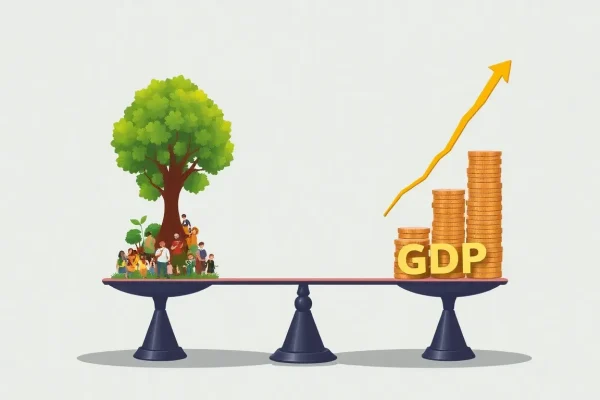
Post-growth economics is a school of thought that challenges the primacy of GDP growth as a policy goal, arguing that endless economic expansion is…
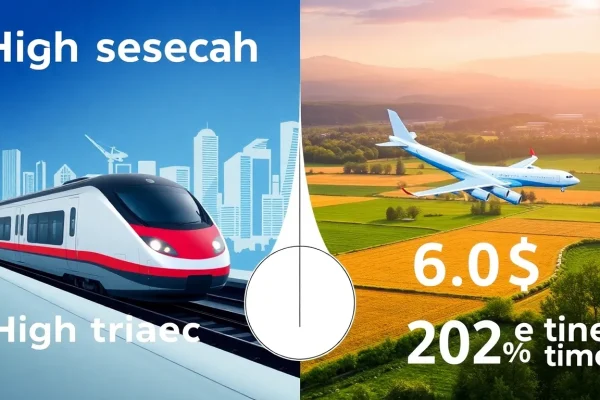
High-speed rail offers a lower-carbon alternative to short-haul air travel on dense corridors, with proven success in Europe and Asia. However, its high upfront…