Why Some Algal Blooms Produce Toxins
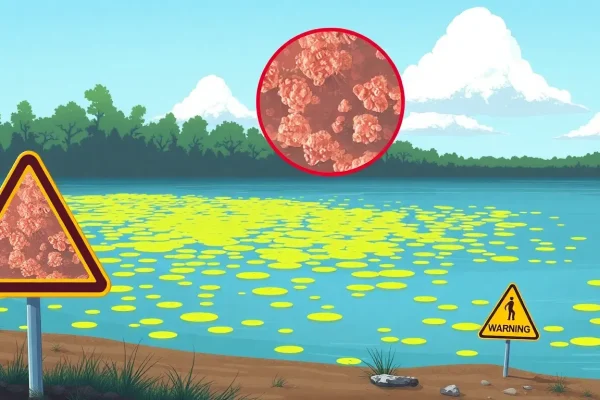
Some algal blooms produce toxins as a defense mechanism against grazers or as byproducts of metabolic processes. These toxins, known as cyanotoxins or phycotoxins,…
Search results
Guides, research and analysis matching your search.
160 resultsSome algal blooms produce toxins as a defense mechanism against grazers or as byproducts of metabolic processes. These toxins, known as cyanotoxins or phycotoxins,…
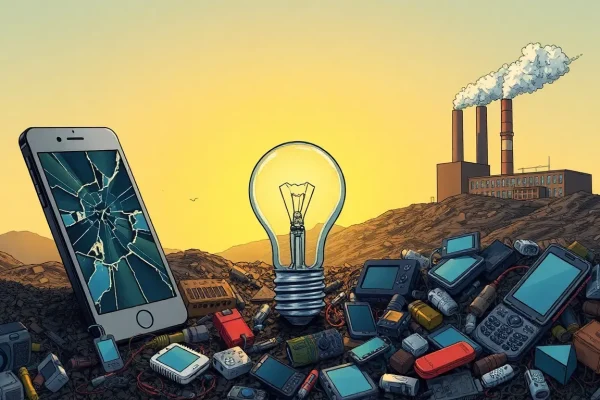
Planned obsolescence is the practice of designing products with artificially limited lifespans to encourage frequent replacement. This strategy drives excessive resource extraction, energy consumption,…
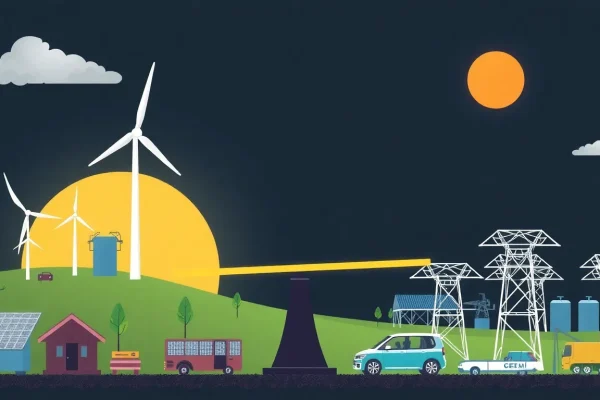
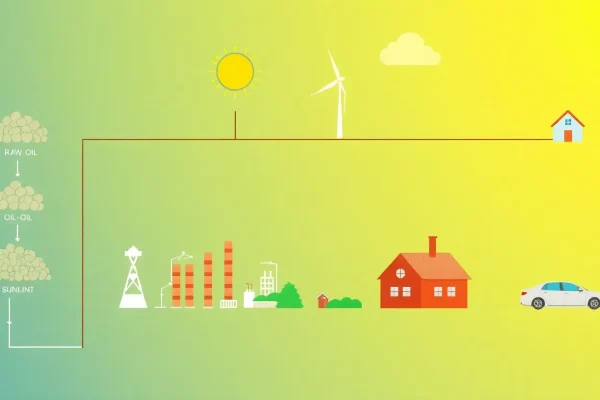
The energy transition is the global shift from fossil fuel-based energy systems to low-carbon and renewable sources, driven by climate goals and technological progress.…
Pharmaceutical pollution in rivers refers to the presence of active pharmaceutical ingredients and their metabolites in freshwater systems, primarily from human and veterinary use.…
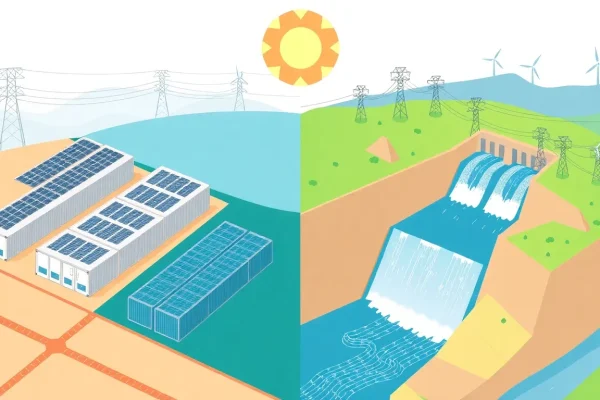
Battery storage and pumped hydropower are two primary methods for storing electrical energy. Battery systems use electrochemical cells to provide fast, modular storage, while…
A comprehensive review of scientific literature reveals that climate change is likely to increase the burden of foodborne diseases through higher temperatures, extreme weather…
Transit-Oriented Development (TOD) is a planning approach that creates compact, mixed-use communities around transit stations to reduce car dependency and promote sustainable urban growth.…
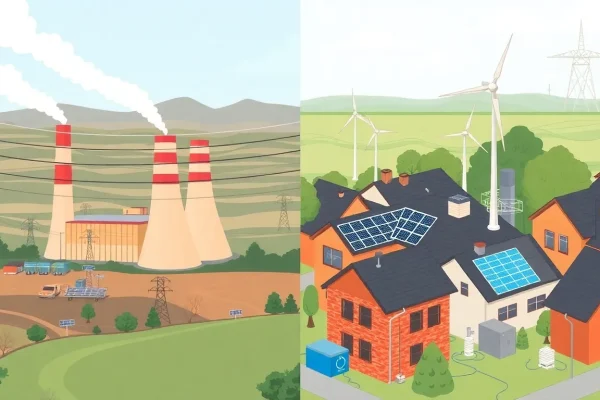
Distributed energy refers to power generation and storage systems located close to the point of use, such as rooftop solar panels or small wind…
Primary energy is the energy contained in natural resources before any conversion, such as coal, crude oil, or sunlight. Final energy is the energy…
Sufficiency in sustainability policy is a strategy that aims to reduce absolute resource consumption and demand to within ecological limits. It emphasizes 'enough' rather…