Low-Probability, High-Impact Climate Risks: An Explainer
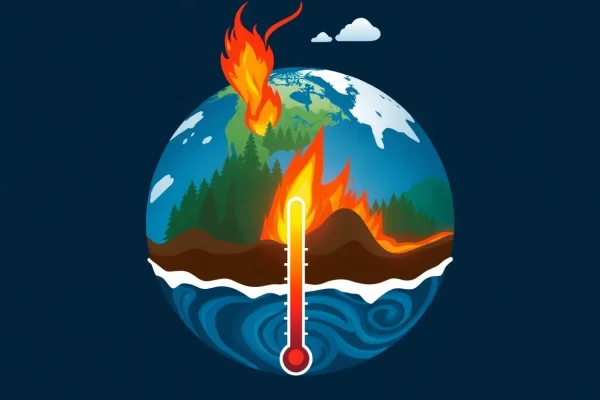
Low-probability, high-impact climate risks are potential climate events or tipping points with a small chance of occurring but catastrophic consequences if they do. Understanding…
Search results
Guides, research and analysis matching your search.
33 resultsLow-probability, high-impact climate risks are potential climate events or tipping points with a small chance of occurring but catastrophic consequences if they do. Understanding…
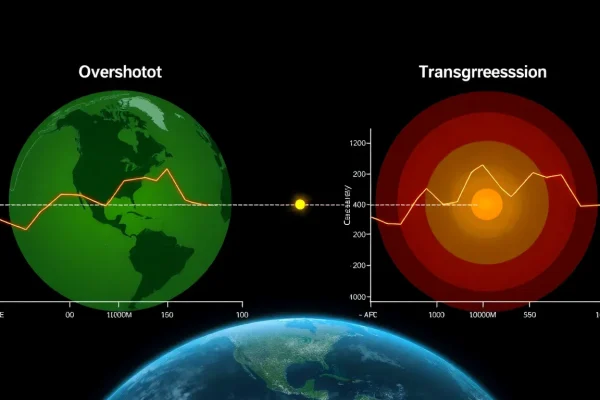
Global temperature can decline after overshooting 1.5°C if net-negative emissions are achieved, but this requires large-scale carbon dioxide removal and comes with irreversible impacts.…
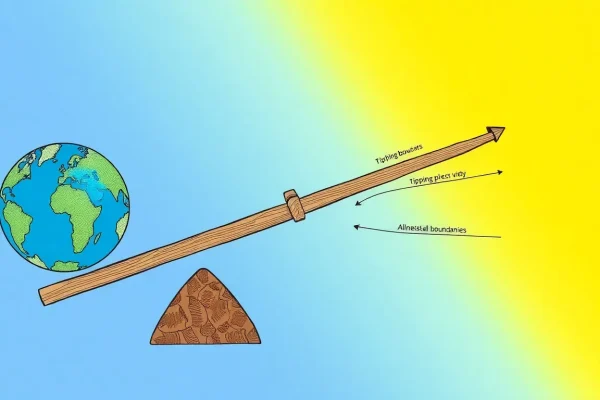
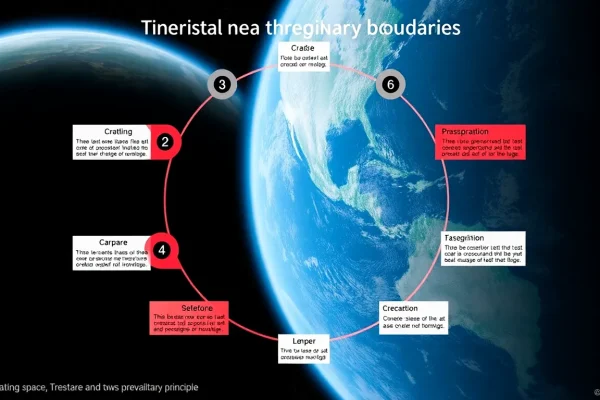
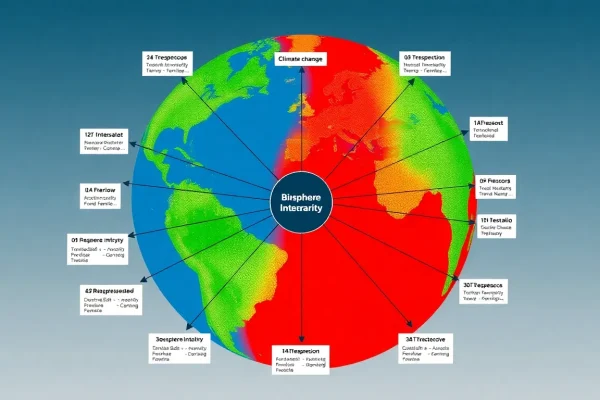
The planetary boundaries framework is periodically revised to incorporate new scientific data, improved models, and a deeper understanding of Earth-system processes. These updates refine…
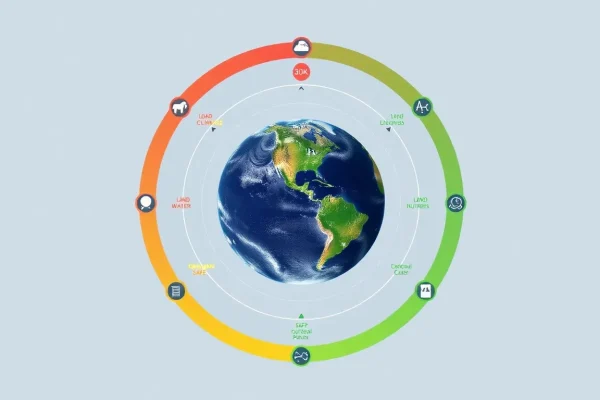
The planetary boundaries framework identifies nine Earth-system processes critical for maintaining a safe operating space for humanity. The ease of measuring these boundaries varies…
Stratospheric aerosol injection (SAI) is a proposed solar geoengineering method to reflect sunlight and cool the Earth by injecting reflective particles into the stratosphere.…
Solar radiation modification (SRM) encompasses a set of proposed techniques to reflect a small fraction of sunlight back into space to cool the Earth.…
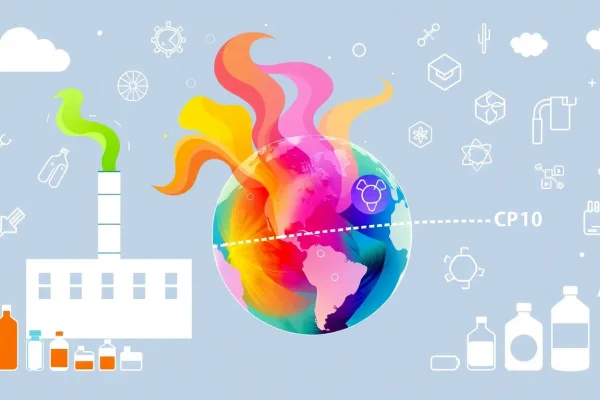
The planetary boundaries framework defines a safe operating space for humanity by identifying nine Earth-system processes and their thresholds. Unlike traditional environmental thresholds that…
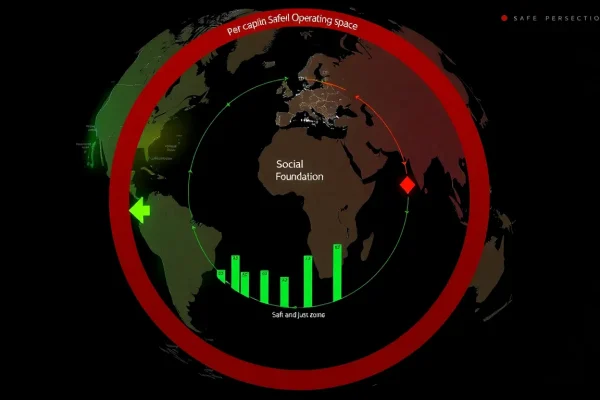
The planetary boundaries framework defines a safe operating space for humanity, which is intrinsically linked to intergenerational justice—the obligation to leave future generations a…
Natural capital is a framework that treats ecosystems and natural resources as assets providing essential services, aiming to integrate environmental values into economic decision-making.…
Methane is a potent greenhouse gas that traps heat far more effectively than carbon dioxide but remains in the atmosphere for only about 12…