Circular Nutrient Management Explained
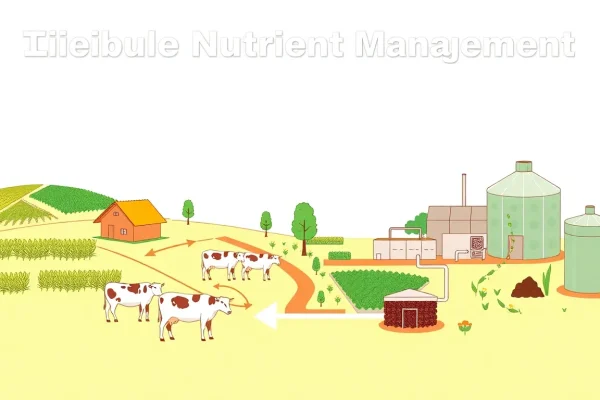
Circular nutrient management is a sustainable approach that recycles nutrients from organic waste back into agricultural production, reducing pollution and resource depletion. It closes…
Search results
Guides, research and analysis matching your search.
111 resultsCircular nutrient management is a sustainable approach that recycles nutrients from organic waste back into agricultural production, reducing pollution and resource depletion. It closes…
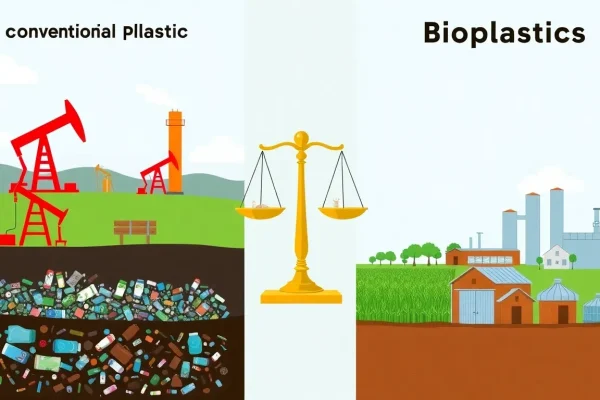
Bioplastics are plastics derived from renewable biomass sources or designed to be biodegradable, while conventional plastics are made from fossil fuels and are typically…
Urban mining is the process of recovering valuable materials, such as metals and minerals, from urban waste streams like discarded electronics, buildings, and infrastructure.…
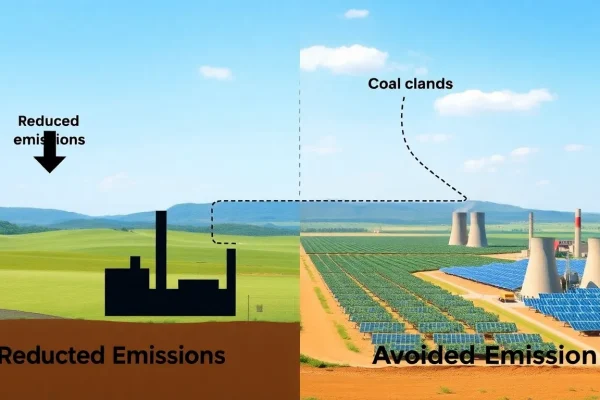
Reduced emissions refer to the direct lowering of greenhouse gas output from a specific source, such as a factory installing efficiency upgrades. Avoided emissions,…
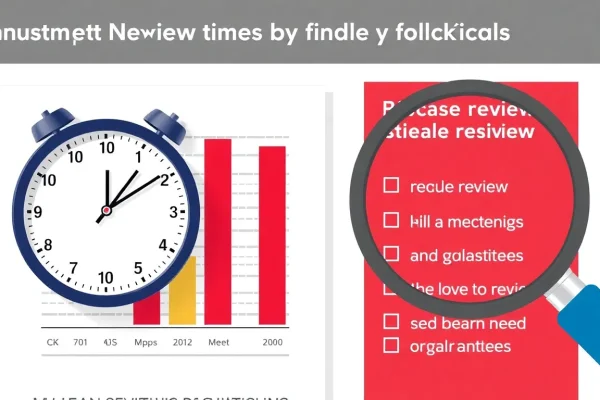
The median time from submission to first decision in peer-reviewed journals is approximately 13 weeks, according to a 2022 analysis of over 3,000 journals.…
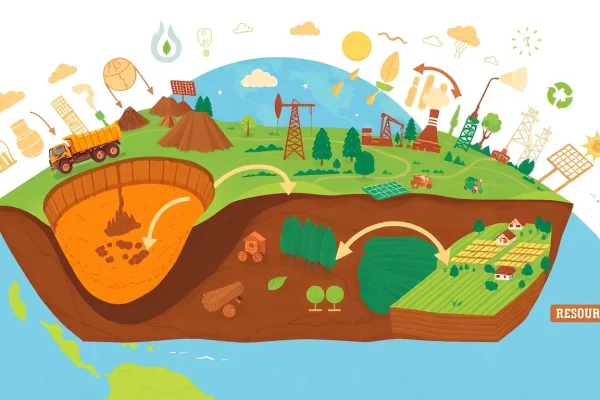
Resource extraction is the process of removing natural resources from the Earth for human use, including mining, drilling, logging, and agriculture. It provides the…
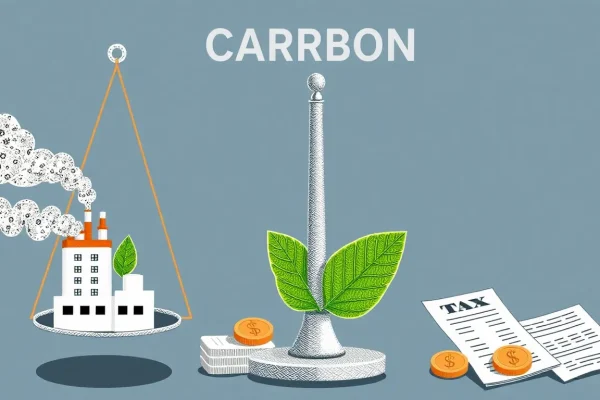
A carbon tax is a fee imposed on the carbon content of fossil fuels, designed to reduce greenhouse gas emissions by making polluting activities…
High-income countries have larger material footprints because their high levels of consumption, extensive infrastructure, and consumerist lifestyles require vast amounts of raw materials, often…
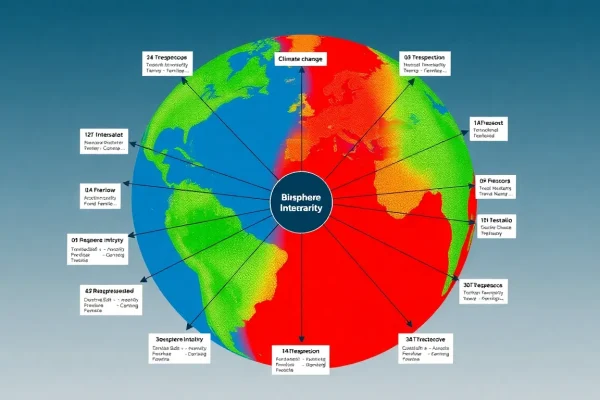
Planetary boundaries are not independent; they form a tightly coupled system. Climate change and biosphere integrity are the most central, mediating interactions among boundaries…
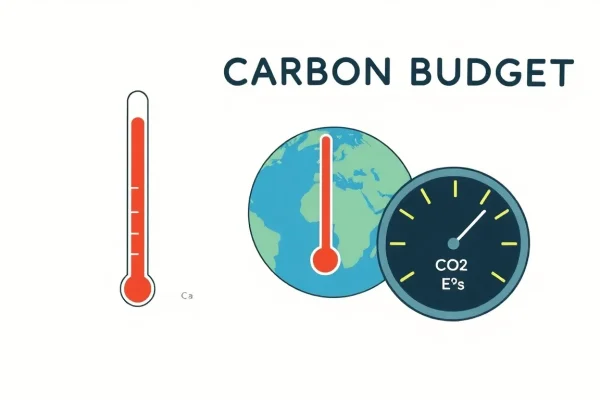
The remaining carbon budget is the maximum amount of carbon dioxide (CO₂) that can still be emitted while keeping global warming below a specific…