Scope 1, Scope 2 and Scope 3 Emissions Explained
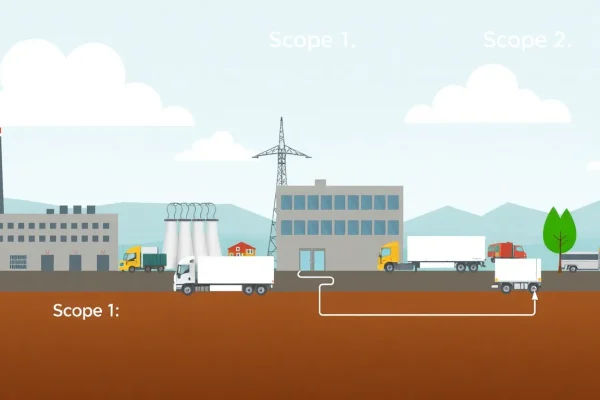
Scope 1, Scope 2, and Scope 3 emissions are categories defined by the Greenhouse Gas Protocol to classify a company's greenhouse gas emissions. Scope…
Search results
Guides, research and analysis matching your search.
111 resultsScope 1, Scope 2, and Scope 3 emissions are categories defined by the Greenhouse Gas Protocol to classify a company's greenhouse gas emissions. Scope…
Circular procurement is a strategic approach where organizations purchase goods, services, or works that contribute to closed-loop material cycles, minimize waste, and maximize resource…
Efficiency improvements can paradoxically increase resource use due to the rebound effect. When a product or service becomes more efficient, its effective cost drops,…
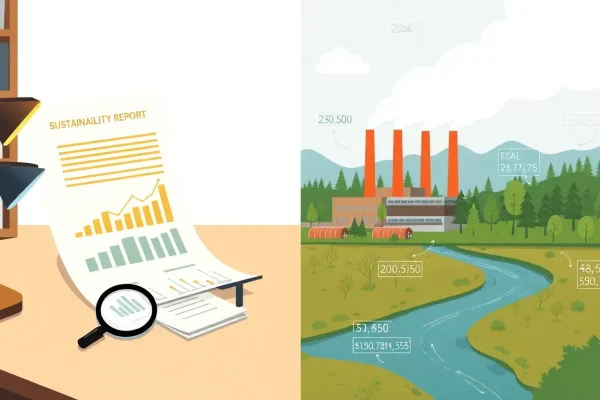
Sustainability reporting is the practice of disclosing environmental, social, and governance (ESG) data, while sustainability performance refers to the actual measurable outcomes of an…
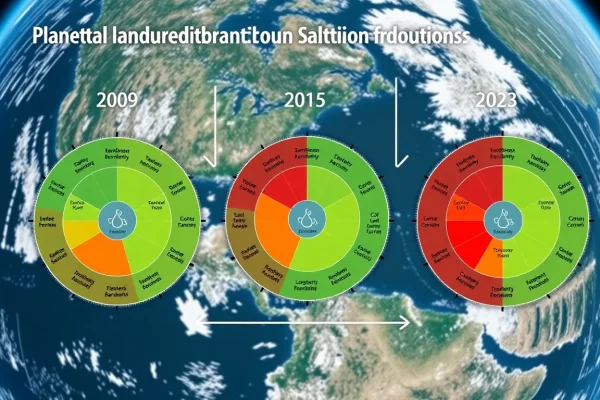
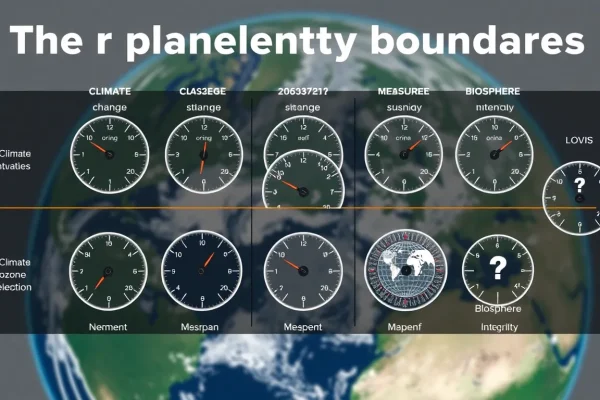
The planetary boundaries framework is periodically revised to incorporate new scientific data, improved models, and a deeper understanding of Earth-system processes. These updates refine…
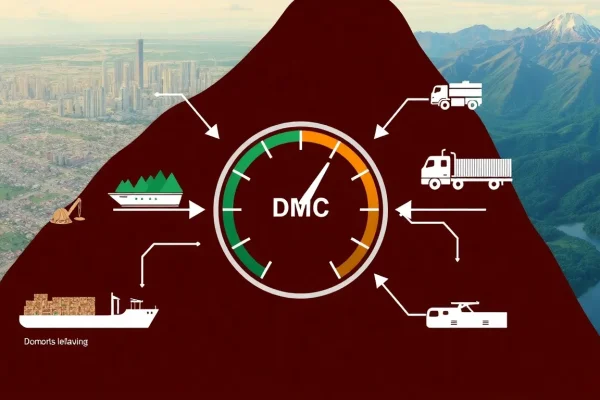
Domestic Material Consumption (DMC) is an environmental accounting indicator that measures the total amount of materials directly used by an economy, calculated as domestic…
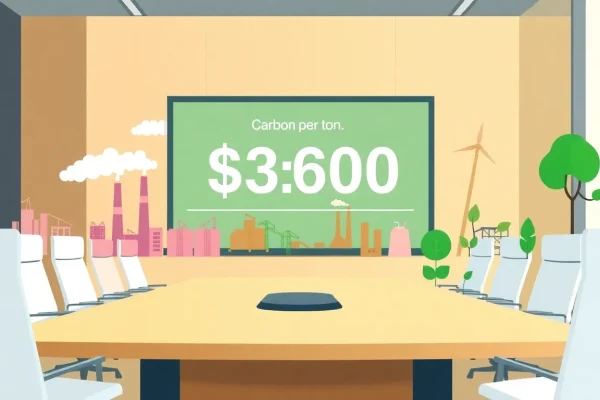
An internal carbon price is a monetary value that a company or organization voluntarily assigns to its greenhouse gas emissions to guide investment decisions,…
The planetary boundaries framework identifies nine Earth-system processes critical for maintaining a safe operating space for humanity. The ease of measuring these boundaries varies…
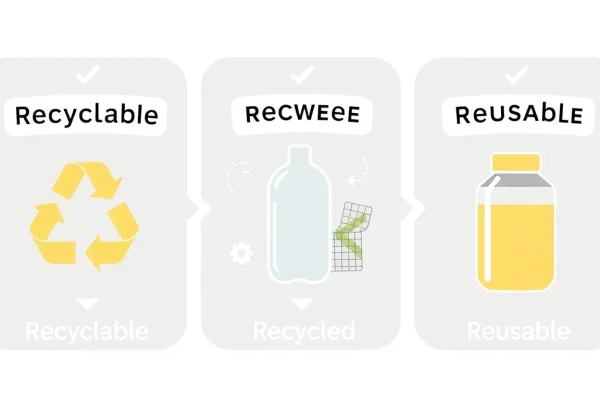
Recyclable, recycled, and reusable claims describe different environmental attributes of products and packaging. A recyclable item can be collected and reprocessed into new materials,…
Resource productivity measures the efficiency with which an economy uses natural resources to generate economic output. It is typically expressed as the ratio of…