Can Blue Carbon Help Mitigate Climate Change?
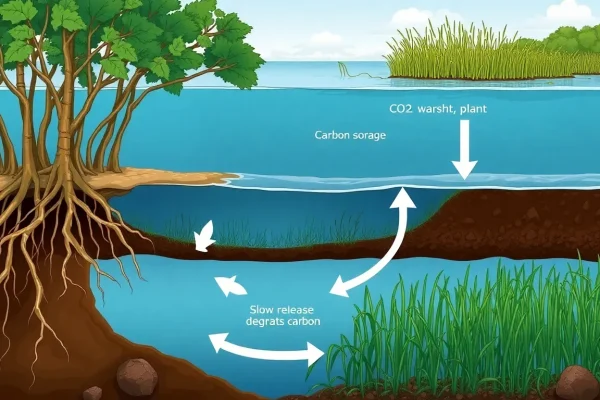
Blue carbon refers to carbon captured and stored in coastal and marine ecosystems, primarily mangroves, salt marshes, and seagrasses. These habitats sequester carbon at…
Search results
Guides, research and analysis matching your search.
249 resultsBlue carbon refers to carbon captured and stored in coastal and marine ecosystems, primarily mangroves, salt marshes, and seagrasses. These habitats sequester carbon at…
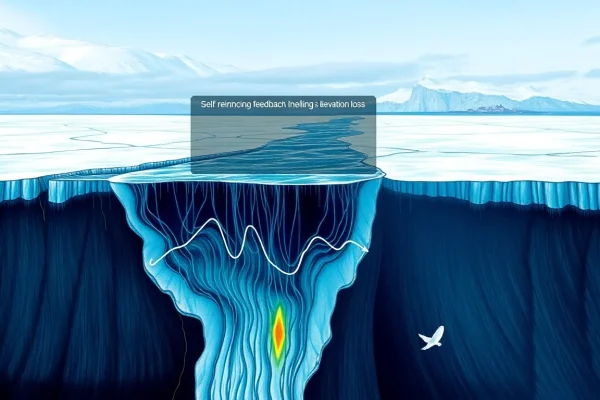
The Greenland Ice Sheet tipping point refers to a critical temperature threshold beyond which the ice sheet’s melting becomes self-sustaining and irreversible, committing the…
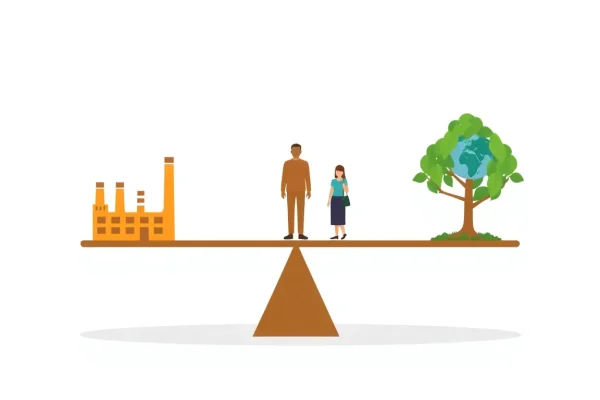
Inclusive wealth is a measure of a nation’s total assets—including produced, human, and natural capital—used to assess long-term sustainability and well-being beyond GDP. It…
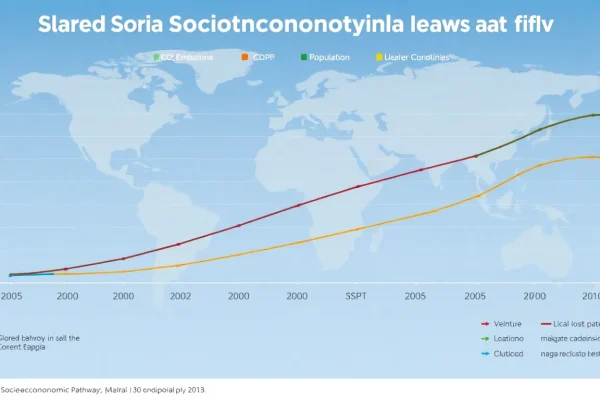
The Shared Socioeconomic Pathways (SSPs) are a set of five global scenarios (SSP1–SSP5) used in climate research to describe alternative socioeconomic futures through 2100.…
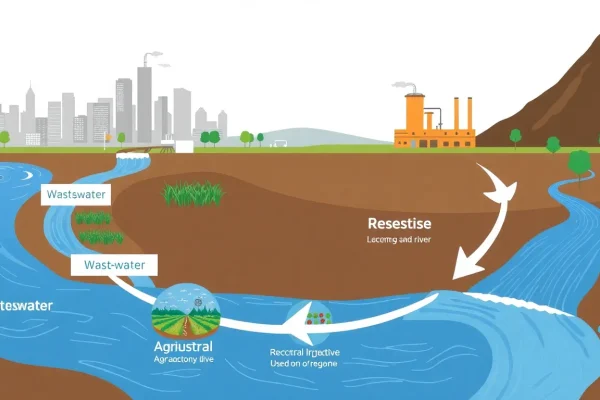
Wastewater reuse involves treating and repurposing water from domestic, industrial, or agricultural sources for beneficial applications such as irrigation, industrial processes, and even drinking…
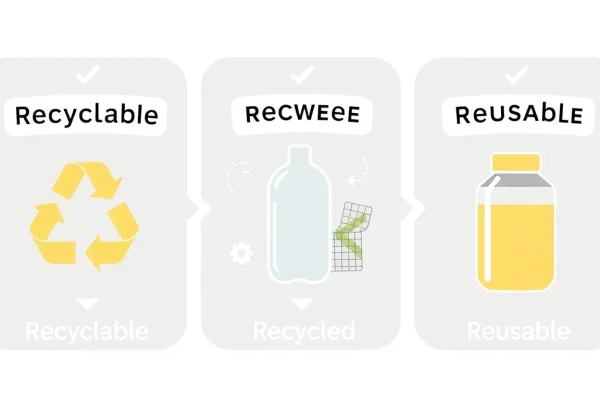
Recyclable, recycled, and reusable claims describe different environmental attributes of products and packaging. A recyclable item can be collected and reprocessed into new materials,…
Resource productivity measures the efficiency with which an economy uses natural resources to generate economic output. It is typically expressed as the ratio of…
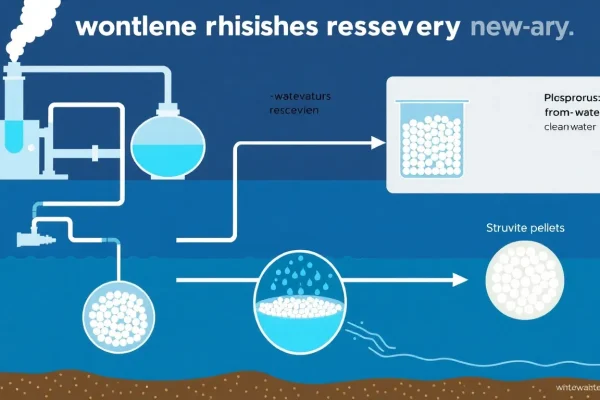
Phosphorus can be recovered from wastewater using technologies like chemical precipitation and biological uptake, turning a pollutant into a valuable fertilizer. This process helps…
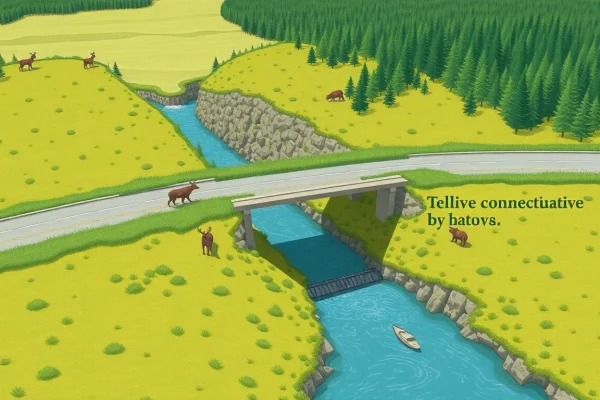
Ecosystem connectivity is the degree to which landscapes and seascapes allow organisms to move and ecological processes to flow freely. It is essential for…
Recycling is a process of converting waste into new materials, while a circular economy is a systemic approach that aims to eliminate waste and…