What Does Net Zero Actually Mean?
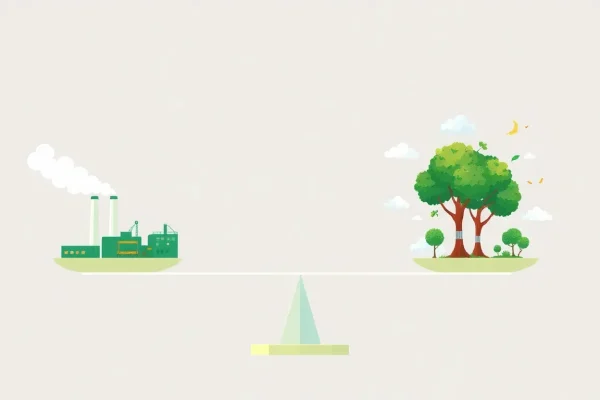
Net zero refers to achieving a balance between the amount of greenhouse gases emitted into the atmosphere and the amount removed. It is a…
Search results
Guides, research and analysis matching your search.
249 resultsNet zero refers to achieving a balance between the amount of greenhouse gases emitted into the atmosphere and the amount removed. It is a…
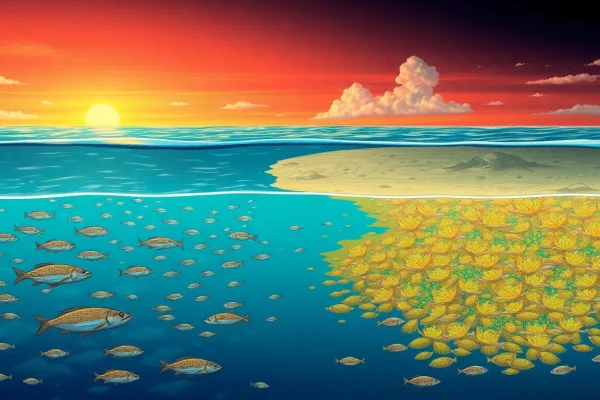
Ocean dead zones are hypoxic areas where marine life cannot survive, caused primarily by nutrient pollution from agriculture and sewage. They disrupt ecosystems, harm…
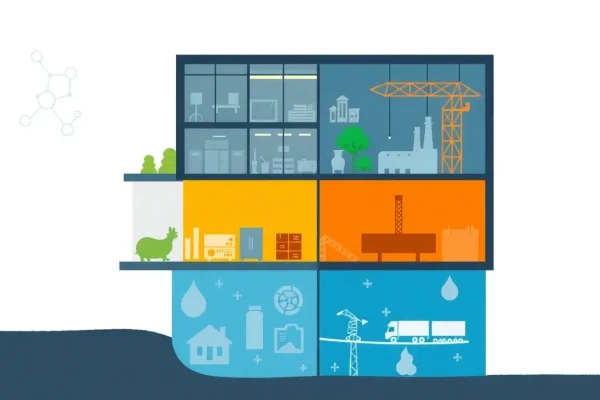
Operational carbon refers to greenhouse gas emissions from a building's energy use during its lifetime, while embodied carbon is the emissions from manufacturing, transporting,…
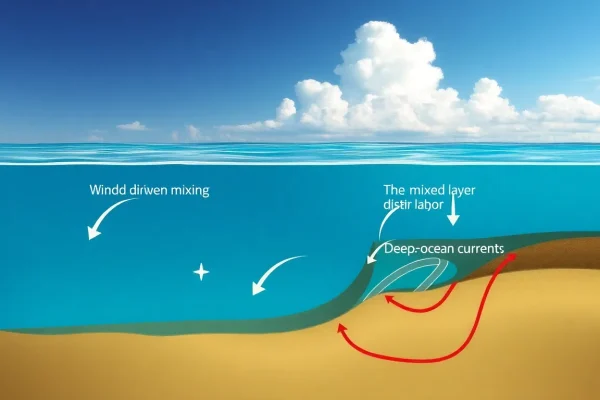
The ocean absorbs the vast majority of excess heat trapped by greenhouse gases, acting as Earth’s primary heat sink. Through physical processes like solar…
Science-based targets are corporate greenhouse gas reduction goals aligned with the level of decarbonization required to meet the Paris Agreement’s aim of limiting global…
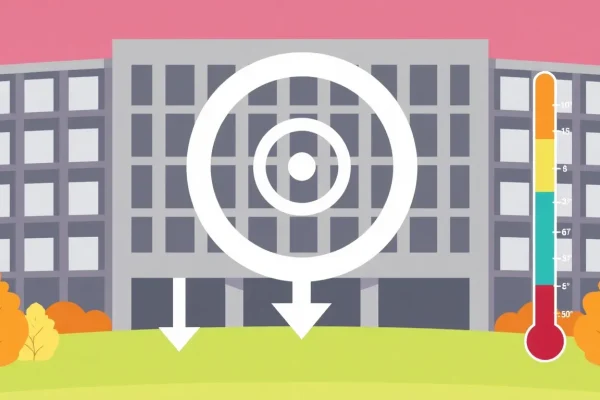
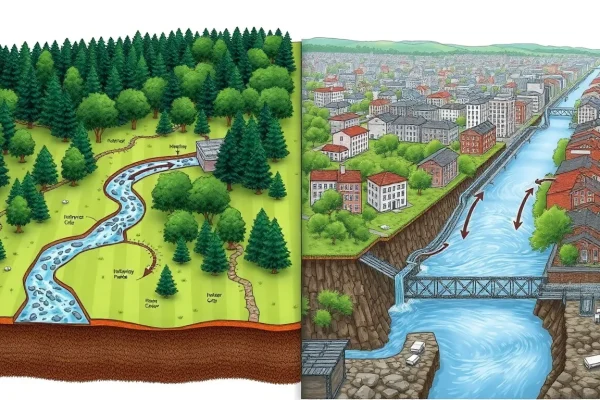
Urbanization dramatically alters the natural water cycle by replacing permeable land with impervious surfaces, reducing infiltration and evapotranspiration while increasing surface runoff. These changes…
Greenwishing is the practice of setting environmental goals that far exceed an organization's or government's actual ability to achieve them. Unlike greenwashing, it often…
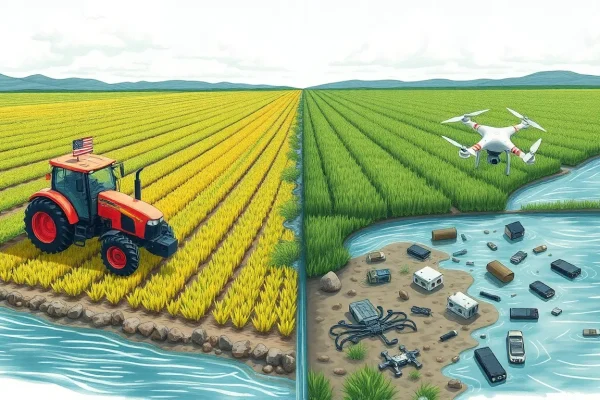
Precision agriculture (PA) is a farming management approach that uses information technology to tailor crop inputs to specific field conditions, aiming to increase efficiency…
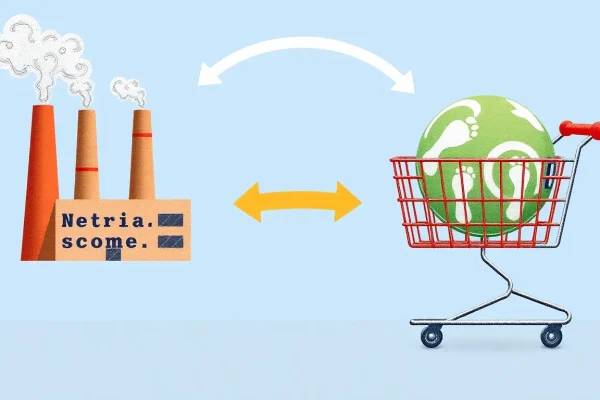
Territorial emissions account for greenhouse gases released within a country's borders, while consumption-based emissions allocate emissions to the final consumer, including those embedded in…
Ecological resilience is the capacity of an ecosystem to absorb disturbance and reorganize while retaining its essential functions, structure, and feedbacks. It determines whether…