Capacity Factor vs Efficiency: Understanding the Difference
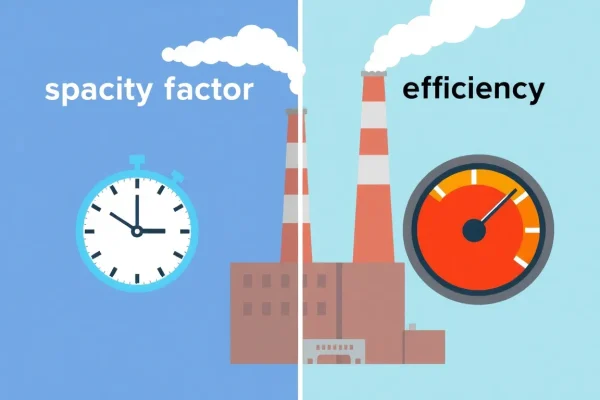
Capacity factor measures how much energy a power plant actually produces over time compared to its maximum potential output, while efficiency measures how well…
Search results
Guides, research and analysis matching your search.
249 resultsCapacity factor measures how much energy a power plant actually produces over time compared to its maximum potential output, while efficiency measures how well…
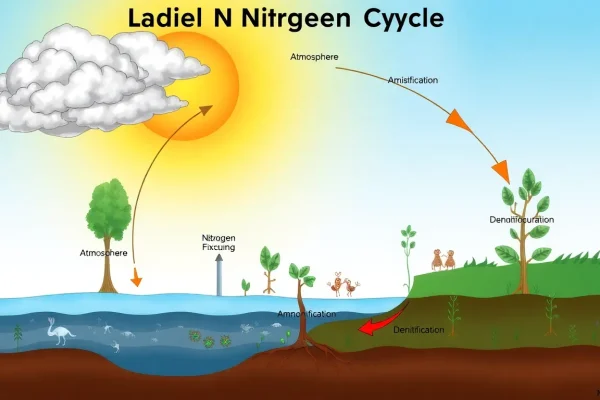
The global nitrogen cycle is the biogeochemical process that transforms nitrogen into various chemical forms as it moves through the atmosphere, terrestrial, and marine…
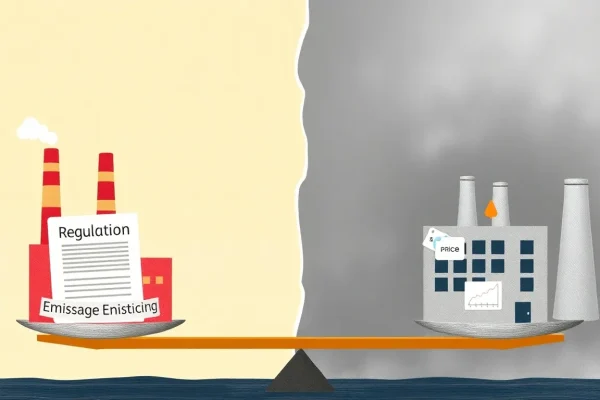
Environmental regulation uses government-mandated rules and technology standards to control pollution, while market-based policies harness economic incentives like taxes, tradable permits, and subsidies to…
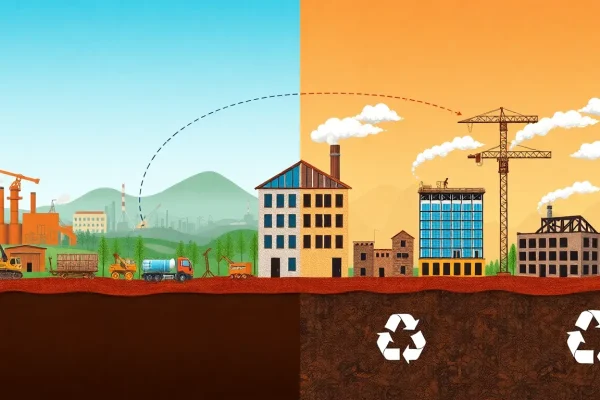
Embodied carbon refers to the total greenhouse gas emissions generated during the lifecycle of building materials, from extraction and manufacturing to transportation, construction, and…
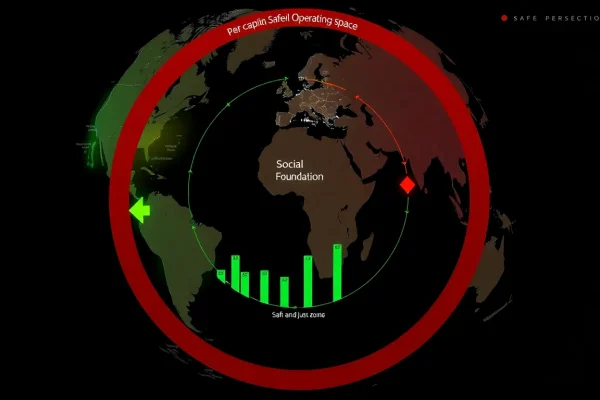
The planetary boundaries framework defines a safe operating space for humanity, but it does not prescribe how resources should be shared among countries. The…
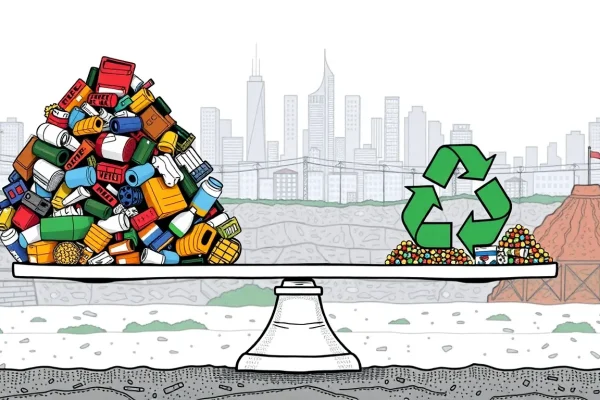
Recycling alone cannot fully meet the growing global demand for materials due to fundamental physical and economic limitations. While it reduces the need for…
Ocean heat content (OHC) measures the total thermal energy stored in the ocean, while sea-surface temperature (SST) is the temperature of the ocean's surface…
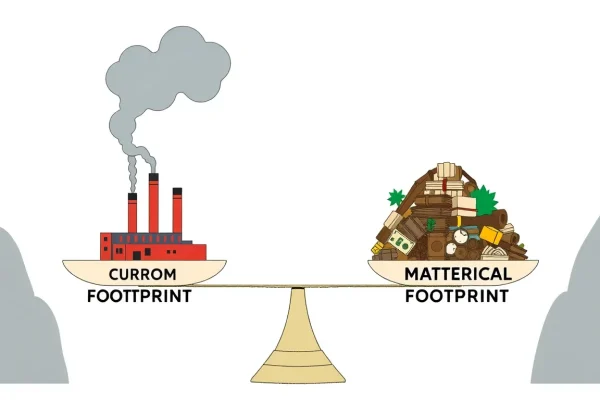
Material footprint measures the total amount of raw materials extracted to meet a country's or individual's consumption, including materials used in imported goods. Carbon…
Reducing vehicle size is a proven, low-cost strategy to cut greenhouse gas emissions, air pollution, and resource consumption. Larger vehicles consume more energy and…
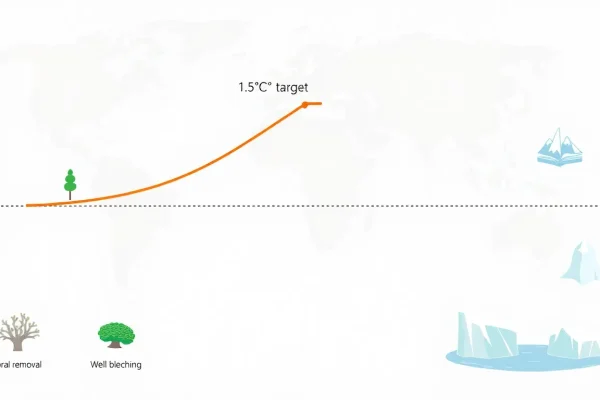
Climate overshoot refers to a scenario where global average temperatures temporarily exceed a target level, such as 1.5°C or 2°C above pre-industrial levels, before…