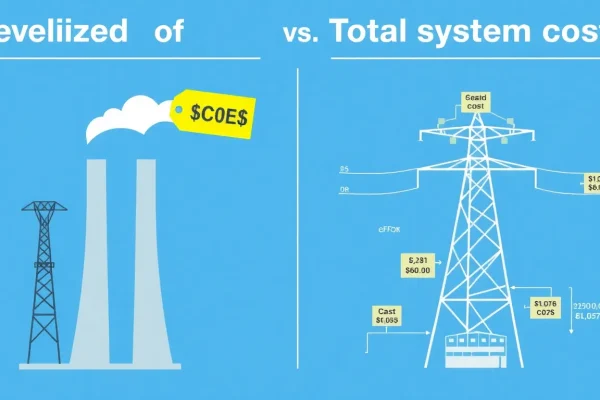
Levelized Cost vs Total System Cost: Understanding the Difference
Levelized cost of energy (LCOE) measures the average lifetime cost per unit of electricity from a specific power plant, while total system cost captures…
Search results
Guides, research and analysis matching your search.
249 resultsLevelized cost of energy (LCOE) measures the average lifetime cost per unit of electricity from a specific power plant, while total system cost captures…
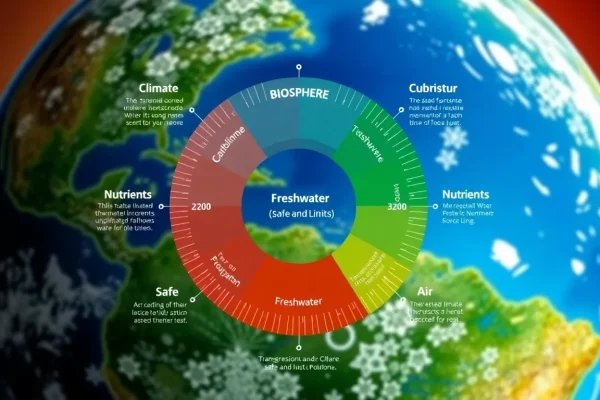
A safe and just Earth-system boundary defines the limits of human pressure on critical planetary processes, ensuring both a stable Earth system (safe) and…
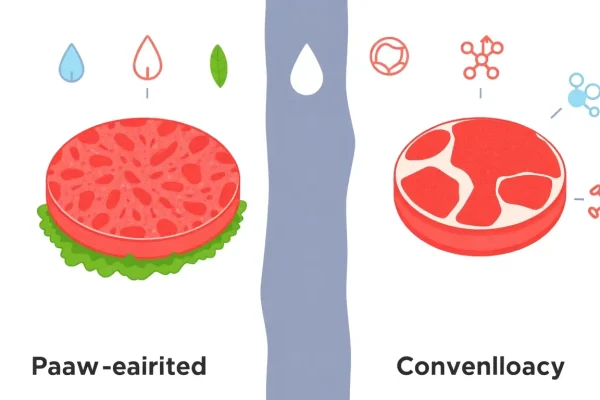
Plant-based meat is a food product made from plant proteins and other ingredients to mimic the taste, texture, and appearance of conventional animal meat.…
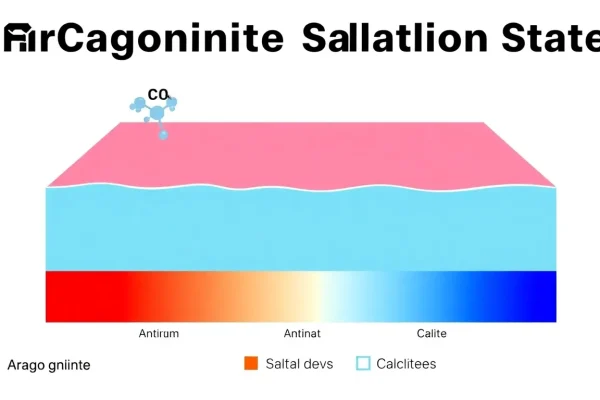
Aragonite saturation state is a measure of the thermodynamic tendency for the mineral aragonite to precipitate or dissolve in seawater. It is a key…
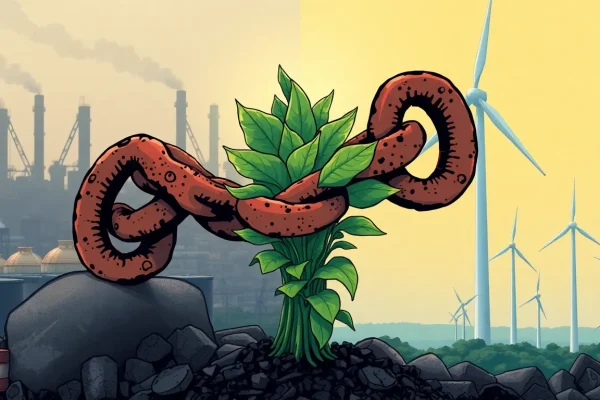
Carbon lock-in is the self-reinforcing inertia of fossil fuel-based systems that makes shifting to low-carbon alternatives difficult. It arises from technological, institutional, and behavioral…
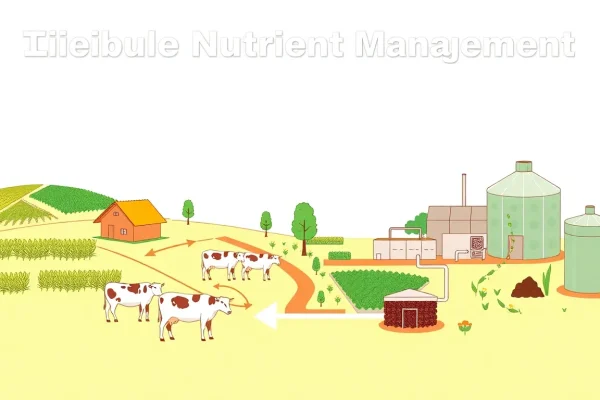
Circular nutrient management is a sustainable approach that recycles nutrients from organic waste back into agricultural production, reducing pollution and resource depletion. It closes…
Forests recycle atmospheric moisture by absorbing water from the soil and releasing it as vapor through evapotranspiration. This moisture forms clouds and falls as…
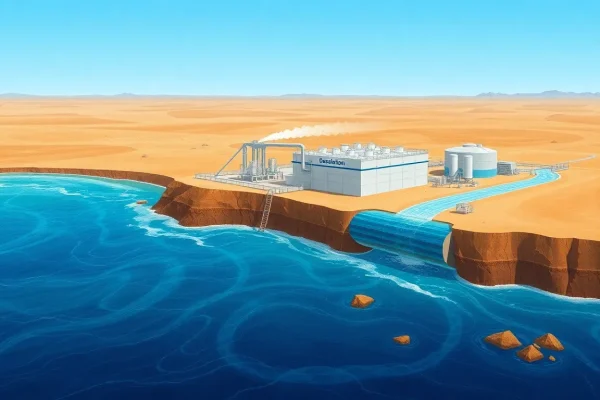
Desalination can augment freshwater supplies in coastal regions, but it is not a universal solution to water scarcity due to high costs, energy demands,…
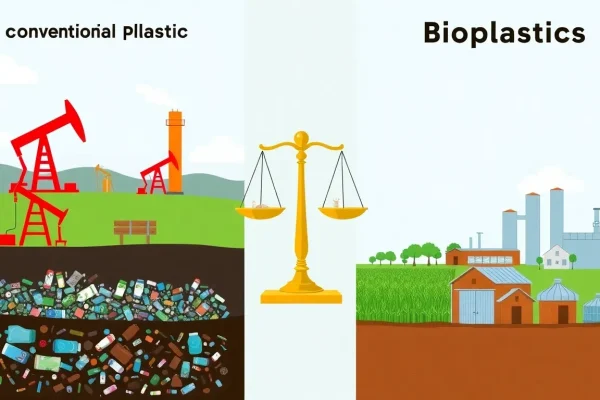
Bioplastics are plastics derived from renewable biomass sources or designed to be biodegradable, while conventional plastics are made from fossil fuels and are typically…
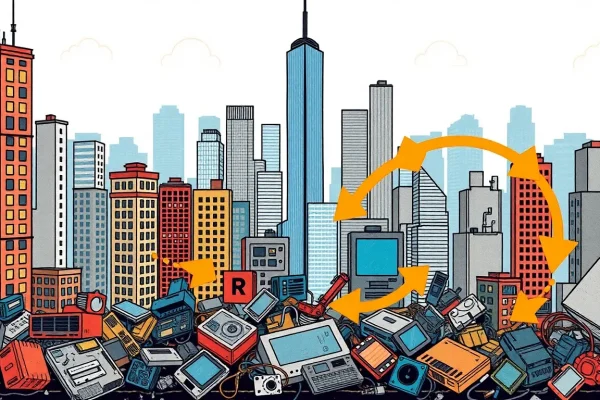
Urban mining is the process of recovering valuable materials, such as metals and minerals, from urban waste streams like discarded electronics, buildings, and infrastructure.…