The Global Nitrogen Cycle Explained
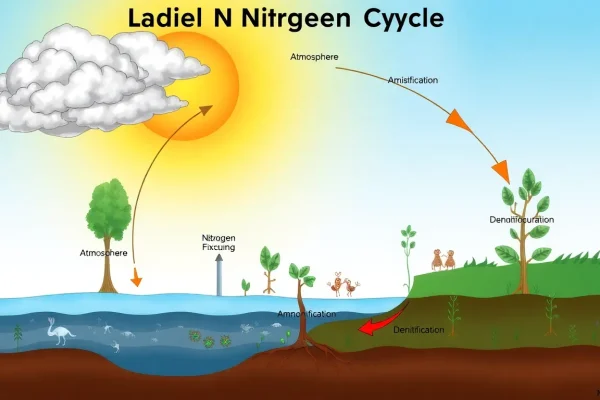
The global nitrogen cycle is the biogeochemical process that transforms nitrogen into various chemical forms as it moves through the atmosphere, terrestrial, and marine…
Search results
Guides, research and analysis matching your search.
238 resultsThe global nitrogen cycle is the biogeochemical process that transforms nitrogen into various chemical forms as it moves through the atmosphere, terrestrial, and marine…
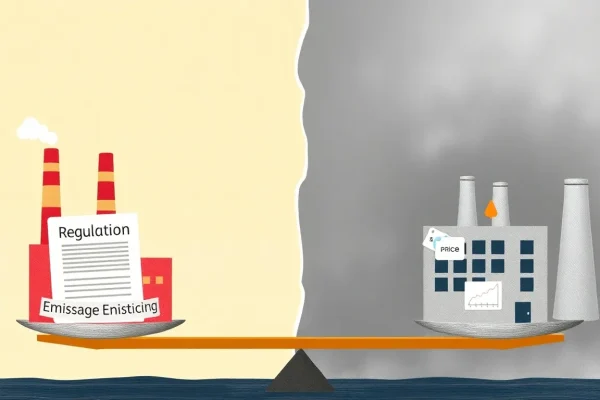
Environmental regulation uses government-mandated rules and technology standards to control pollution, while market-based policies harness economic incentives like taxes, tradable permits, and subsidies to…
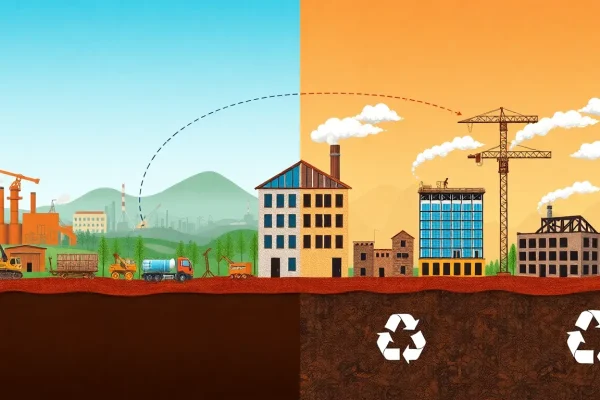
Embodied carbon refers to the total greenhouse gas emissions generated during the lifecycle of building materials, from extraction and manufacturing to transportation, construction, and…
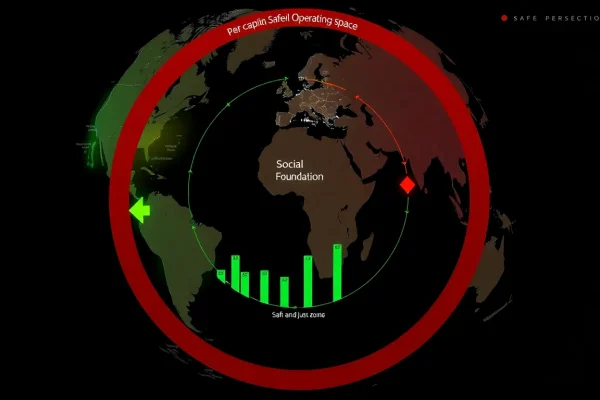
The planetary boundaries framework defines a safe operating space for humanity, but it does not prescribe how resources should be shared among countries. The…
The chemical cocktail effect describes how mixtures of chemicals can produce combined health or environmental impacts that differ from the effects of individual substances.…
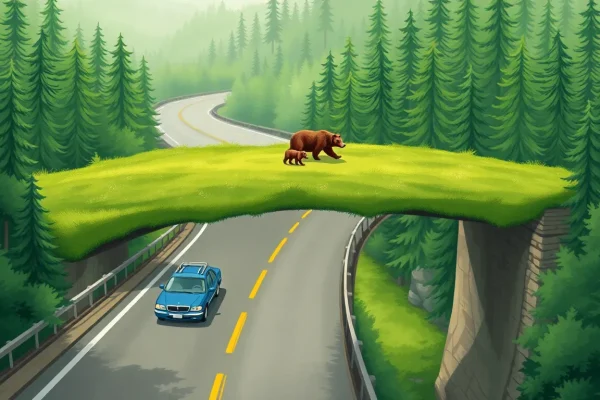
Wildlife corridors are natural or artificial pathways that connect fragmented habitats, allowing animals to move, migrate, and maintain genetic diversity. They are essential for…
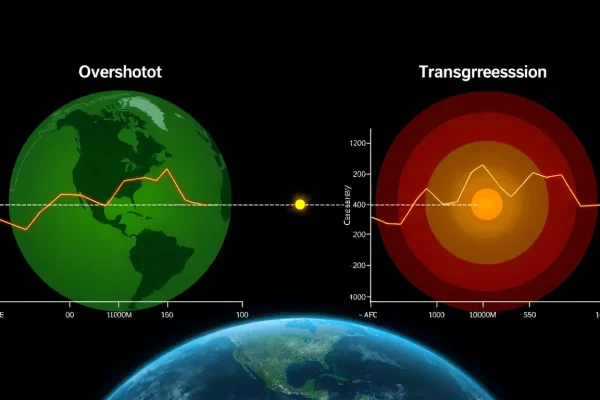
Overshoot refers to a temporary exceedance of a planetary boundary with the potential to return to the safe operating space, whereas transgression denotes a…
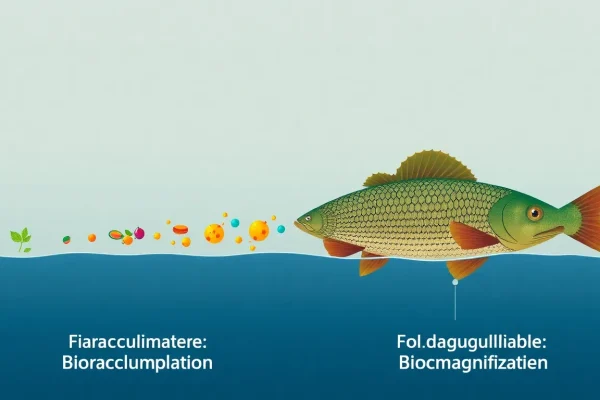
Bioaccumulation is the gradual buildup of substances, such as toxic chemicals, in an individual organism over time. Biomagnification is the increasing concentration of those…
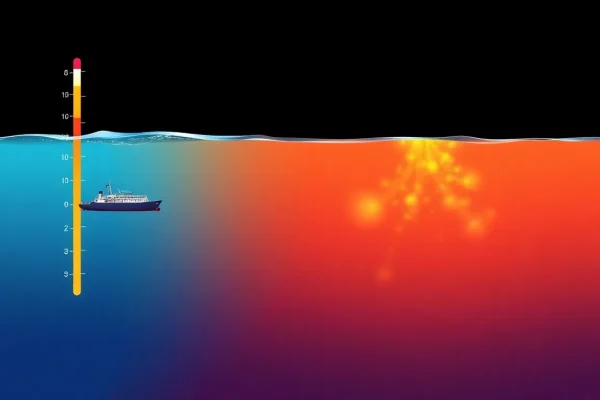
Ocean heat content (OHC) measures the total thermal energy stored in the ocean, while sea-surface temperature (SST) is the temperature of the ocean's surface…
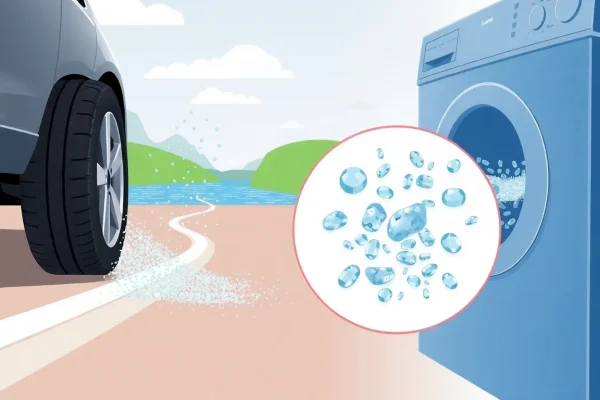
Primary microplastics are tiny plastic particles intentionally manufactured or directly released from products. Tires and synthetic textiles are major sources, shedding particles during use…