Low-Probability, High-Impact Climate Risks: An Explainer
Low-probability, high-impact climate risks are potential climate events or tipping points with a small chance of occurring but catastrophic consequences if they do. Understanding…
Search results
Guides, research and analysis matching your search.
100 resultsLow-probability, high-impact climate risks are potential climate events or tipping points with a small chance of occurring but catastrophic consequences if they do. Understanding…
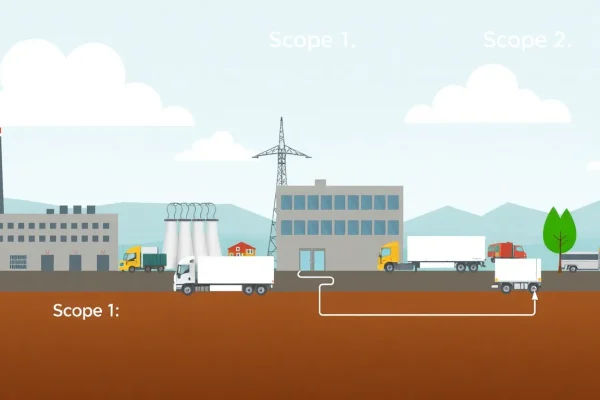
Scope 1, Scope 2, and Scope 3 emissions are categories defined by the Greenhouse Gas Protocol to classify a company's greenhouse gas emissions. Scope…
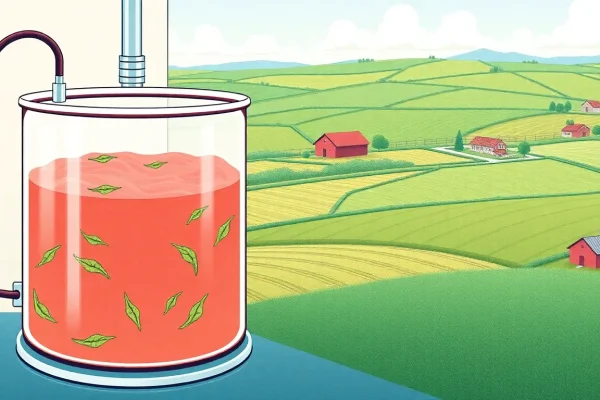
Lab-grown meat, also known as cultivated or cell-cultured meat, is produced by growing animal cells in a controlled environment without raising and slaughtering animals.…
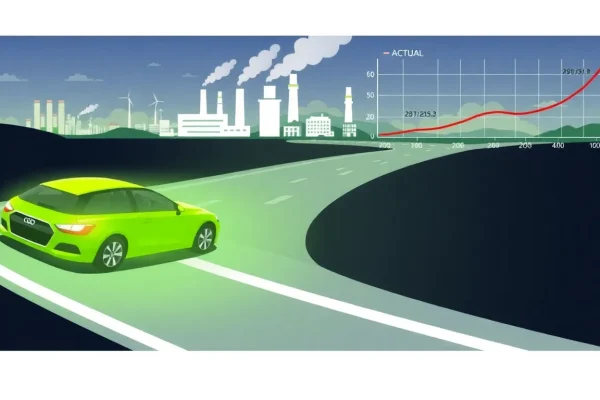
Efficiency improvements can paradoxically increase resource use due to the rebound effect. When a product or service becomes more efficient, its effective cost drops,…
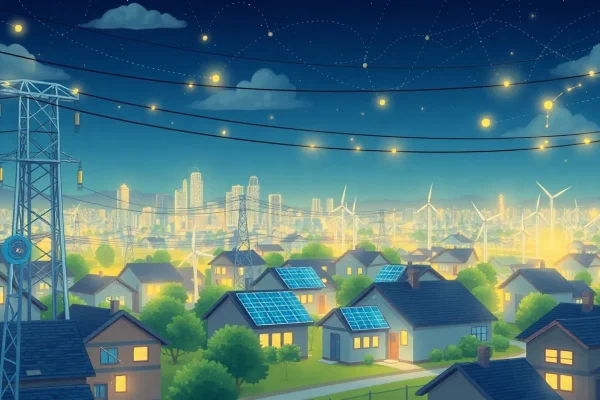
A smart grid is an electricity network enhanced with digital communication and automation to monitor, control, and optimize power flows. It enables two-way energy…
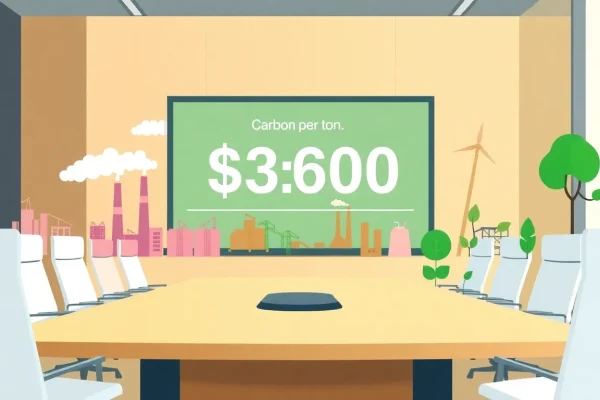
An internal carbon price is a monetary value that a company or organization voluntarily assigns to its greenhouse gas emissions to guide investment decisions,…
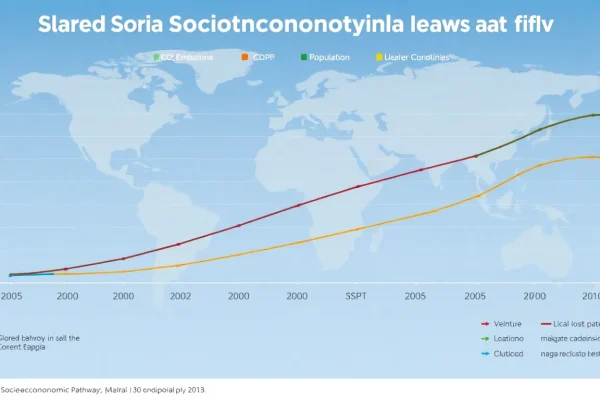
The Shared Socioeconomic Pathways (SSPs) are a set of five global scenarios (SSP1–SSP5) used in climate research to describe alternative socioeconomic futures through 2100.…
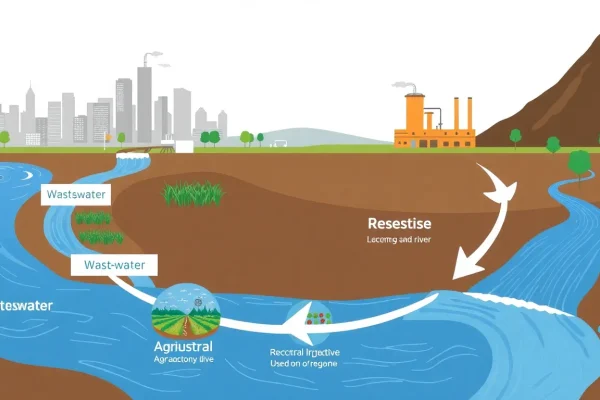
Wastewater reuse involves treating and repurposing water from domestic, industrial, or agricultural sources for beneficial applications such as irrigation, industrial processes, and even drinking…
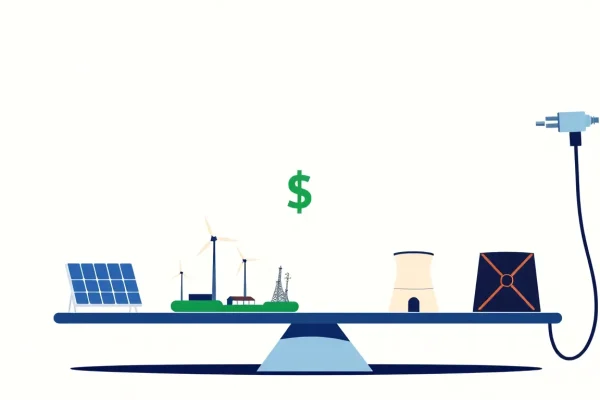
Levelized Cost of Energy (LCOE) is a metric used to compare the lifetime costs of different electricity generation technologies on a consistent basis. It…
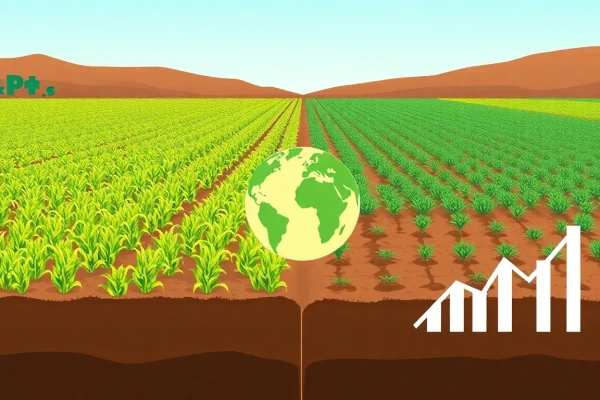
The agricultural yield gap is the difference between the potential yield of a crop under ideal conditions and the actual yield achieved by farmers.…