Bioaccumulation vs Biomagnification: Key Differences Explained
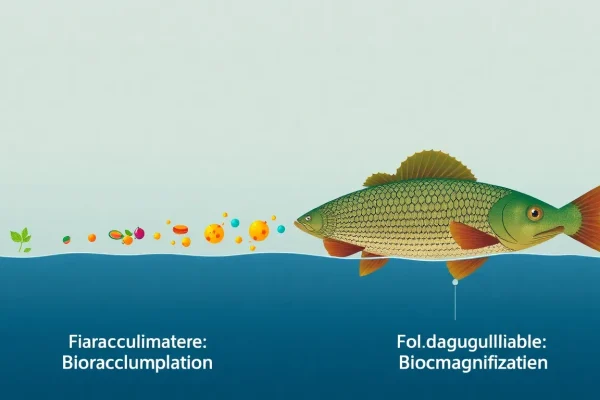
Bioaccumulation is the gradual buildup of substances, such as toxic chemicals, in an individual organism over time. Biomagnification is the increasing concentration of those…
Topic archive
Definitions of terminology used across the site.
Bioaccumulation is the gradual buildup of substances, such as toxic chemicals, in an individual organism over time. Biomagnification is the increasing concentration of those…
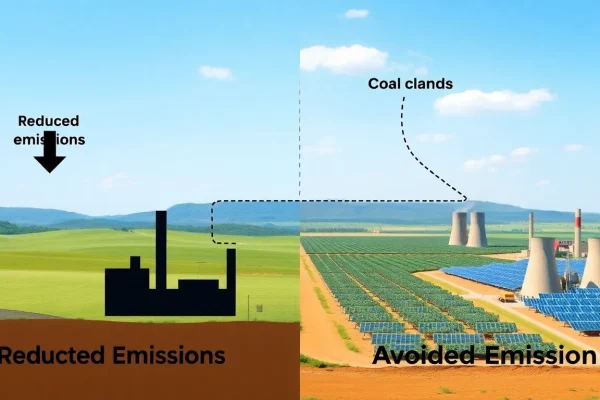
Reduced emissions refer to the direct lowering of greenhouse gas output from a specific source, such as a factory installing efficiency upgrades. Avoided emissions,…
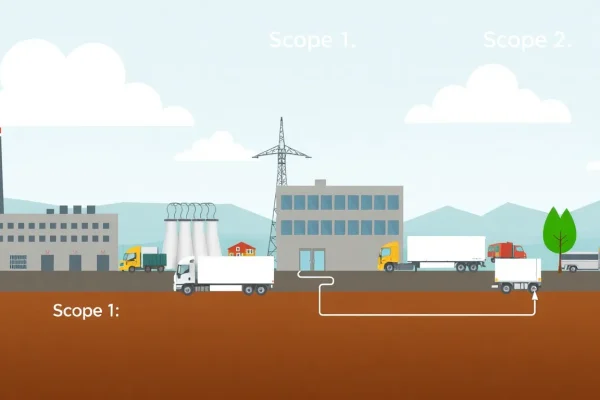
Scope 1, Scope 2, and Scope 3 emissions are categories defined by the Greenhouse Gas Protocol to classify a company's greenhouse gas emissions. Scope…
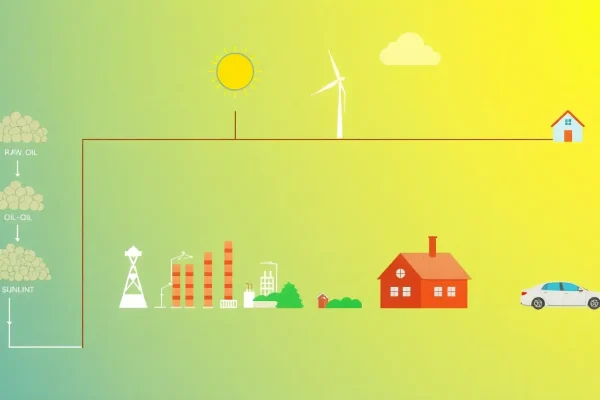
Primary energy is the energy contained in natural resources before any conversion, such as coal, crude oil, or sunlight. Final energy is the energy…
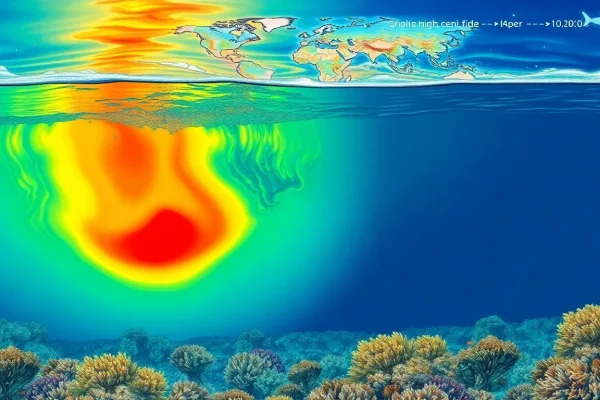
A marine heatwave is a prolonged period of unusually warm ocean temperatures that can disrupt marine ecosystems, fuel extreme weather, and affect human communities.…
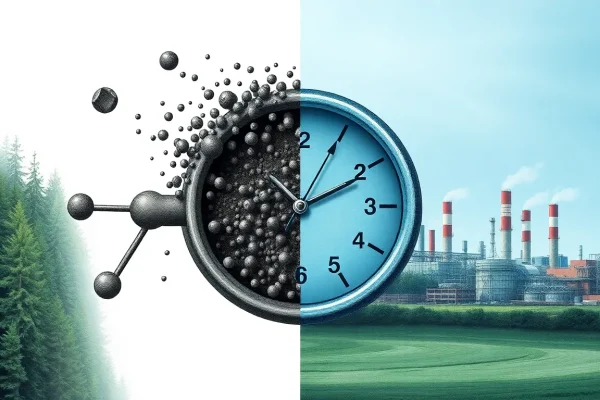
Environmental persistence is the ability of a substance to remain in the environment without significant degradation, often measured by its half-life. It matters because…
A moving average is a statistical calculation used to smooth out short-term fluctuations and highlight longer-term trends in data. As of March 7, 2025,…