Carbon Neutral Product Claims: What to Check
Carbon neutral product claims indicate that a product's carbon emissions have been balanced through reductions and offsets. To verify these claims, check for third-party…
Topic archive
Guides companies in decarbonizing operations and adopting sustainable models.
Carbon neutral product claims indicate that a product's carbon emissions have been balanced through reductions and offsets. To verify these claims, check for third-party…
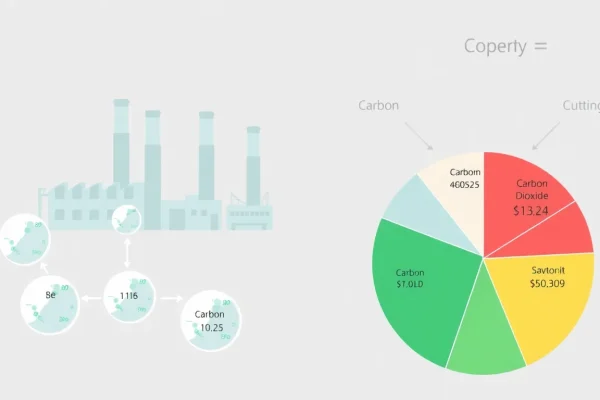
An internal carbon budget is a voluntary, self-imposed limit on the total greenhouse gas emissions an organization can produce over a set period. It…
Science-based targets are corporate greenhouse gas reduction goals aligned with the level of decarbonization required to meet the Paris Agreement’s aim of limiting global…
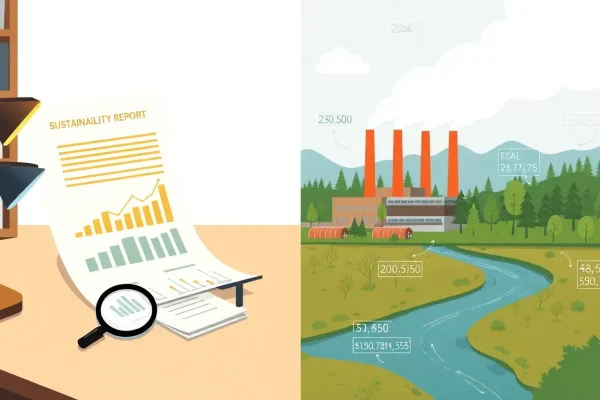
Sustainability reporting is the practice of disclosing environmental, social, and governance (ESG) data, while sustainability performance refers to the actual measurable outcomes of an…
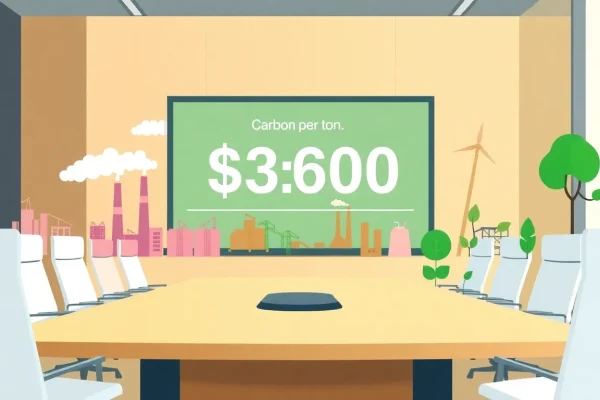
An internal carbon price is a monetary value that a company or organization voluntarily assigns to its greenhouse gas emissions to guide investment decisions,…
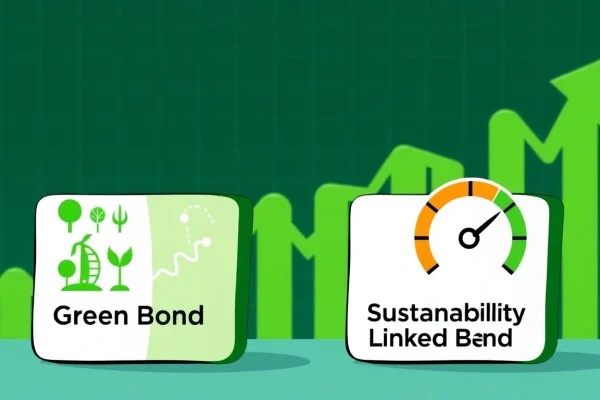
Green bonds are fixed-income instruments that earmark proceeds for environmental projects, while sustainability-linked bonds tie financial terms to the issuer's achievement of sustainability targets.…
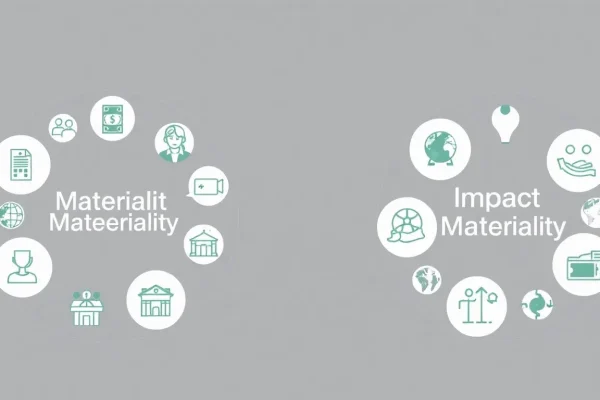
Financial materiality focuses on how sustainability issues affect a company’s financial performance, while impact materiality addresses the company’s effects on society and the environment.…
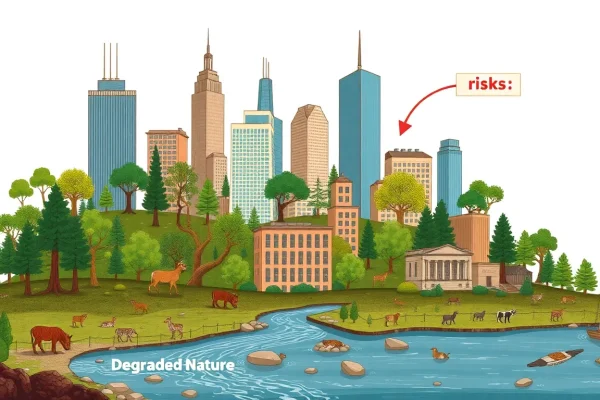
Nature-related business risks are the potential threats to companies, investors, and the financial system arising from their dependencies and impacts on the natural world.…
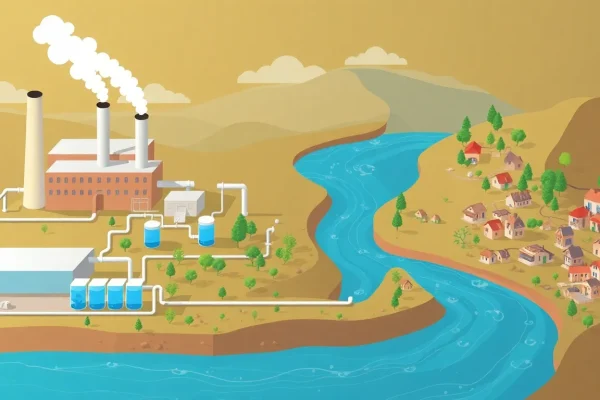
Corporate water stewardship is a business approach that goes beyond managing water use within a company’s own operations to address shared water risks and…
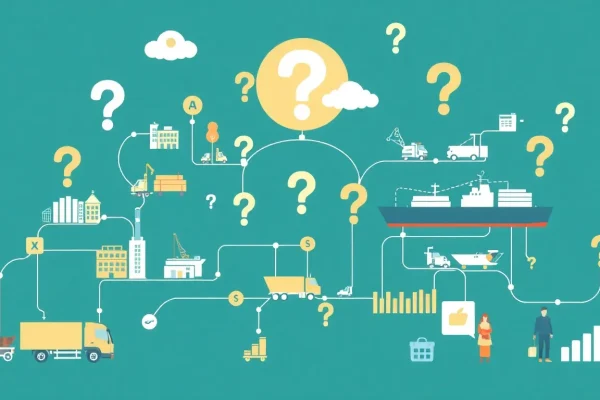
Scope 3 emissions are indirect greenhouse gas emissions that occur in a company’s value chain, including both upstream and downstream activities. They are difficult…