Levelized Cost vs Total System Cost: Understanding the Difference
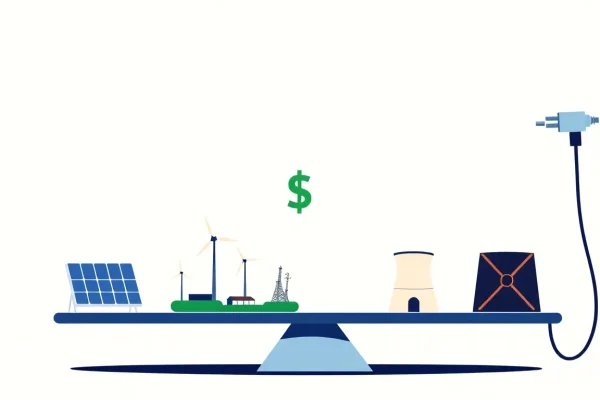
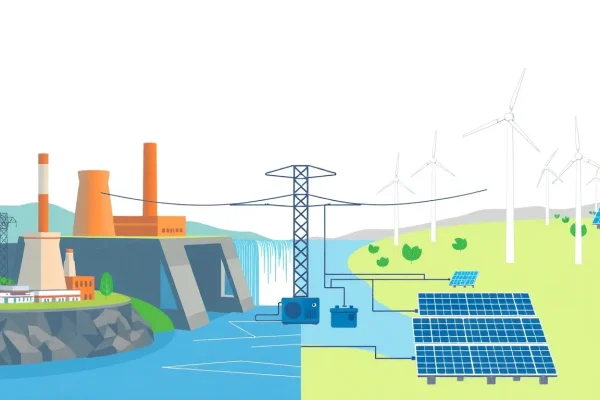
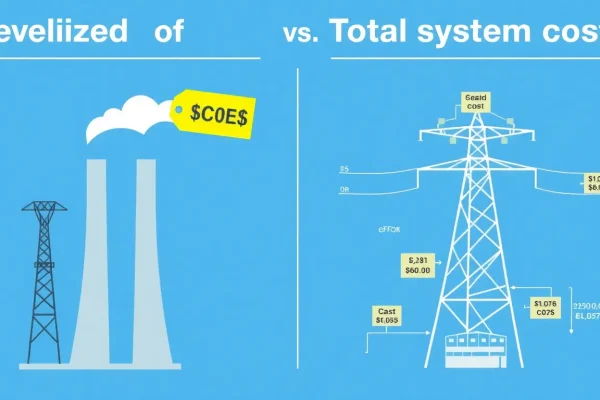
Levelized cost of energy (LCOE) measures the average lifetime cost per unit of electricity from a specific power plant, while total system cost captures…
Topic archive
Explores renewable power generation, storage, and grid integration.
Levelized cost of energy (LCOE) measures the average lifetime cost per unit of electricity from a specific power plant, while total system cost captures…
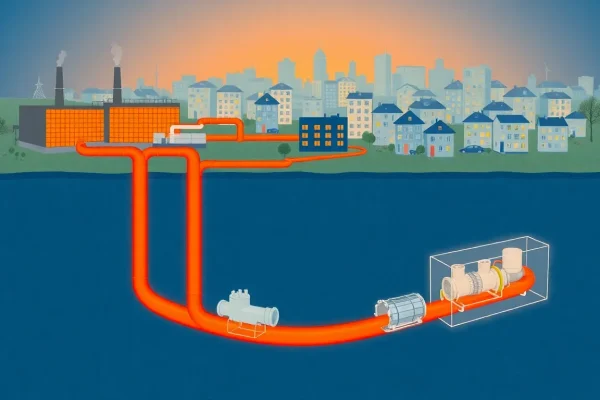
District heating and cooling (DHC) systems distribute thermal energy from centralized sources to multiple buildings, offering a potentially efficient and low-carbon solution for space…
Renewable energy curtailment is the deliberate reduction of output from wind, solar, or other renewable generators below their potential, typically to maintain grid stability…
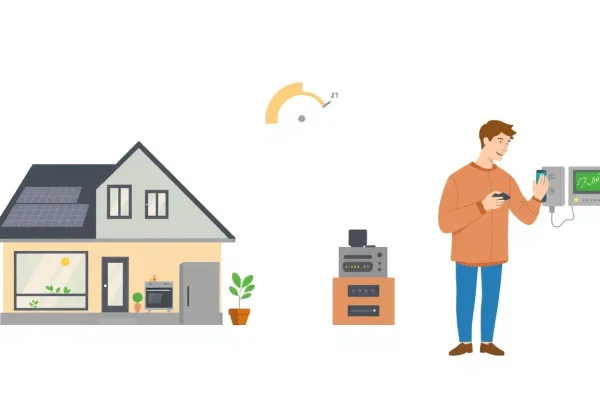
Demand response is a strategy used by electric grid operators to balance supply and demand by encouraging consumers to reduce or shift their electricity…
Energy efficiency uses technology to perform the same tasks with less energy, while energy conservation involves behavioral changes to reduce energy use. Both are…
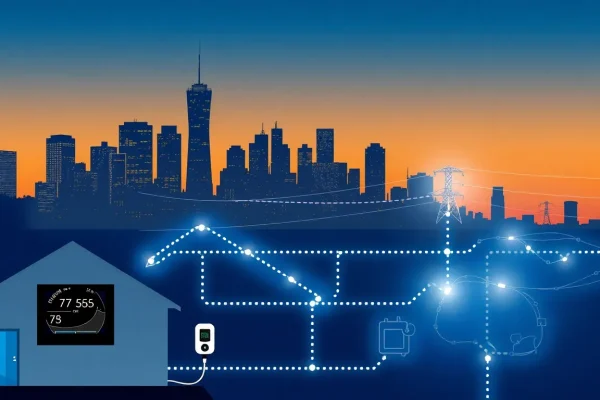
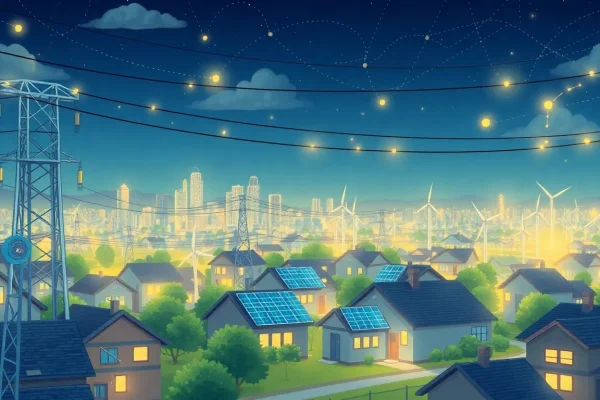
A smart grid is an electricity network enhanced with digital communication and automation to monitor, control, and optimize power flows. It enables two-way energy…
Levelized Cost of Energy (LCOE) is a metric used to compare the lifetime costs of different electricity generation technologies on a consistent basis. It…
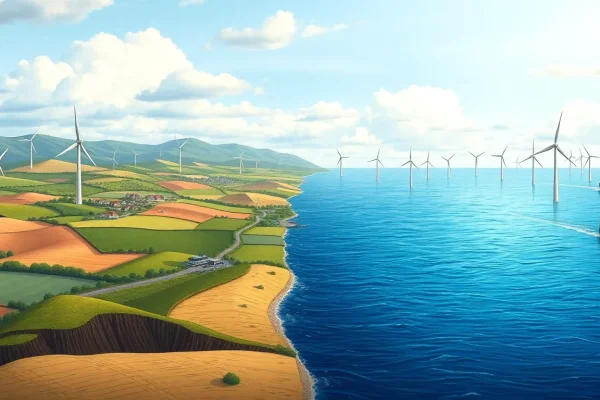
Onshore wind energy is generated by turbines located on land, while offshore wind energy comes from turbines placed in bodies of water. Both technologies…
Firm power refers to electricity sources that can be dispatched on demand to guarantee supply, such as natural gas, nuclear, and reservoir hydropower. Variable…
Battery storage and pumped hydropower are two primary methods for storing electrical energy. Battery systems use electrochemical cells to provide fast, modular storage, while…