Why Vehicle Size Matters for Environmental Impact
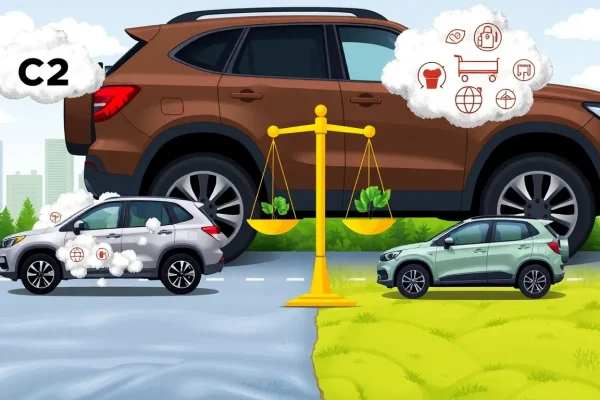
Reducing vehicle size is a proven, low-cost strategy to cut greenhouse gas emissions, air pollution, and resource consumption. Larger vehicles consume more energy and…
Topic archive
Covers low‑emission mobility options, public transit, and electric vehicles.
Reducing vehicle size is a proven, low-cost strategy to cut greenhouse gas emissions, air pollution, and resource consumption. Larger vehicles consume more energy and…
Transit-Oriented Development (TOD) is a planning approach that creates compact, mixed-use communities around transit stations to reduce car dependency and promote sustainable urban growth.…
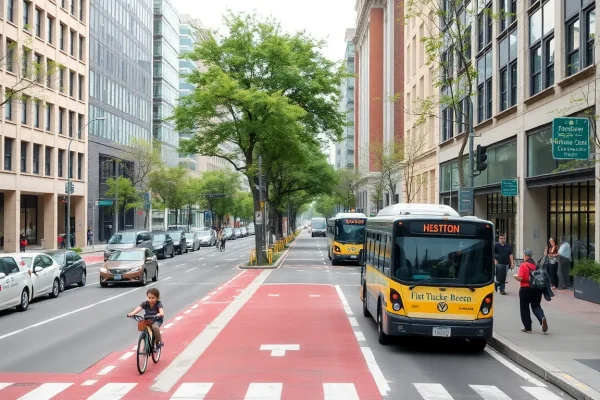
Complete Streets is a design and policy approach that ensures streets are safe and accessible for all users, not just cars. Evidence shows it…
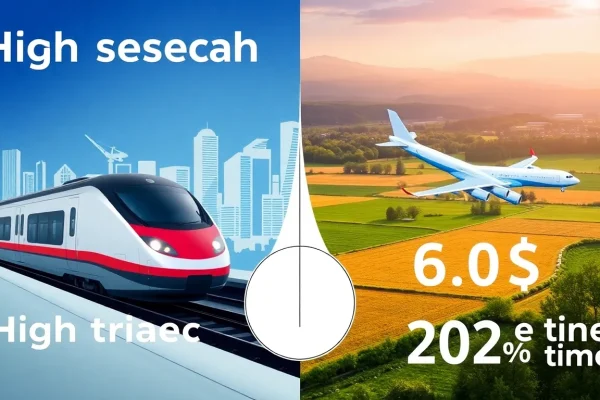
High-speed rail offers a lower-carbon alternative to short-haul air travel on dense corridors, with proven success in Europe and Asia. However, its high upfront…
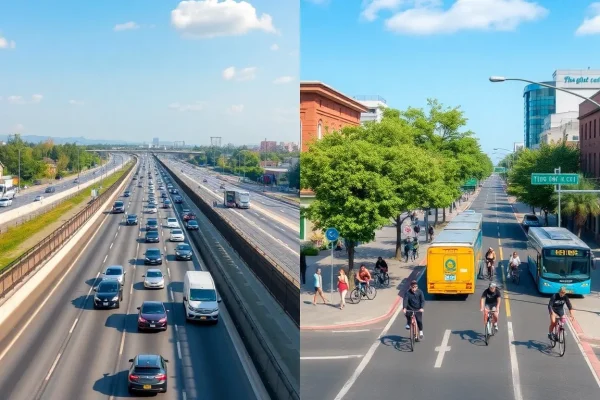
Induced demand is the well-documented phenomenon where expanding road capacity leads to increased traffic volumes, often negating expected congestion relief. This analysis examines the…
Shipping, the backbone of global trade, accounts for about 2-3% of global greenhouse gas emissions. A combination of energy efficiency, alternative fuels, and operational…
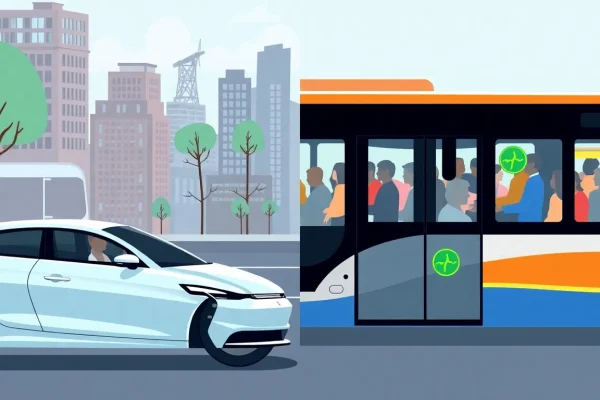
Electric cars and public transport are two key strategies for reducing transport emissions. Public transport generally offers greater efficiency and co-benefits in dense urban…
Public transport can reduce urban emissions by shifting trips from private cars to higher-occupancy modes, but its effectiveness depends on system design, ridership, and…
Congestion pricing is a demand-side strategy that charges drivers a fee to use congested roads or enter designated zones during peak periods. It aims…