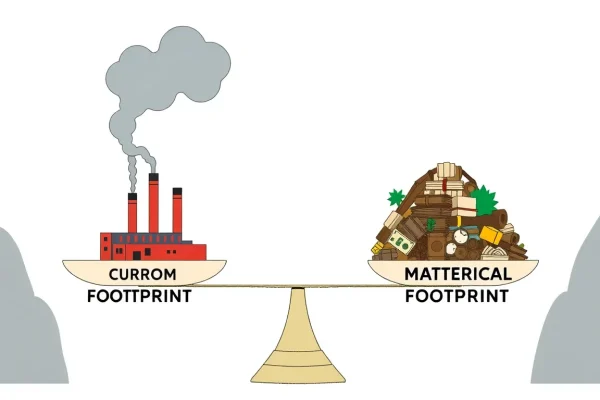
Material Footprint vs Carbon Footprint: Understanding the Difference
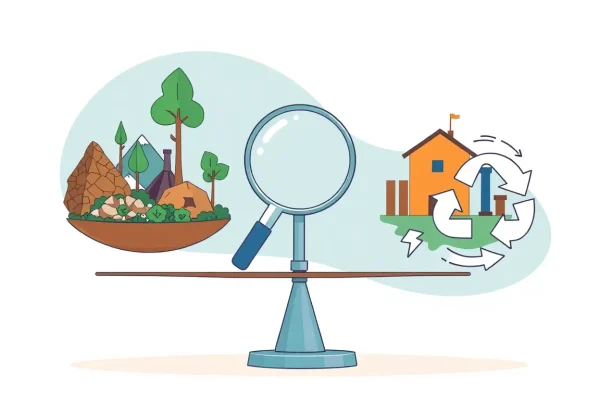
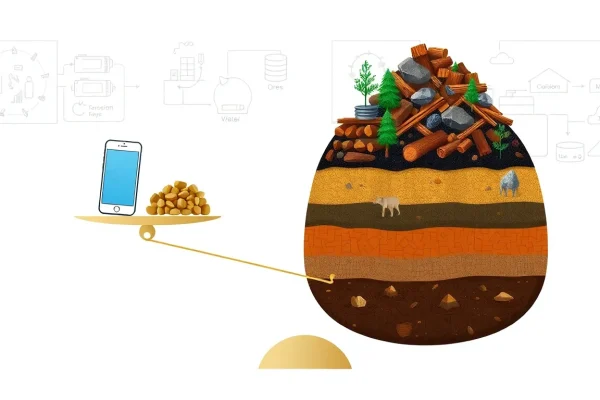
Material footprint measures the total amount of raw materials extracted to meet a country's or individual's consumption, including materials used in imported goods. Carbon…
Topic archive
Measuring the resource and emission intensity of materials throughout their life cycle.
Material footprint measures the total amount of raw materials extracted to meet a country's or individual's consumption, including materials used in imported goods. Carbon…
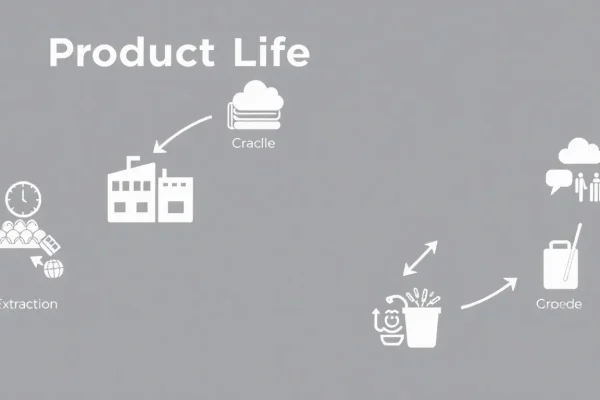
Cradle-to-gate and cradle-to-grave are two system boundaries used in life cycle assessment (LCA) to define the scope of environmental impact analysis. Cradle-to-gate covers from…
High-income countries have larger material footprints because their high levels of consumption, extensive infrastructure, and consumerist lifestyles require vast amounts of raw materials, often…
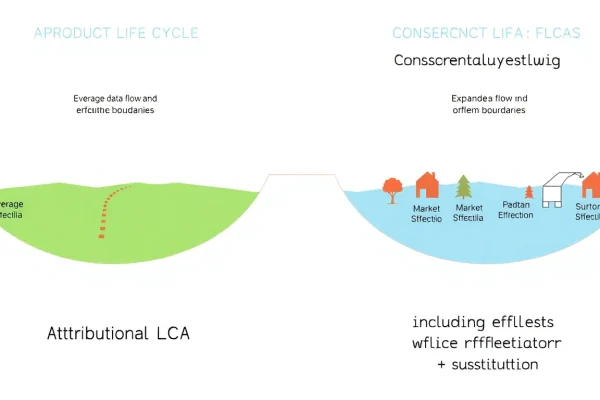
Attributional life-cycle assessment (ALCA) describes the environmental flows of a product system using average data, while consequential life-cycle assessment (CLCA) evaluates how those flows…
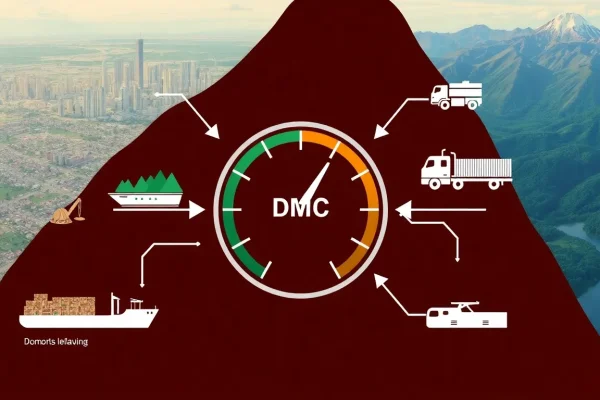
Domestic Material Consumption (DMC) is an environmental accounting indicator that measures the total amount of materials directly used by an economy, calculated as domestic…
Resource productivity measures the efficiency with which an economy uses natural resources to generate economic output. It is typically expressed as the ratio of…
Raw Material Equivalent (RME) is a metric that quantifies the total amount of raw materials extracted from nature to produce a final product, including…
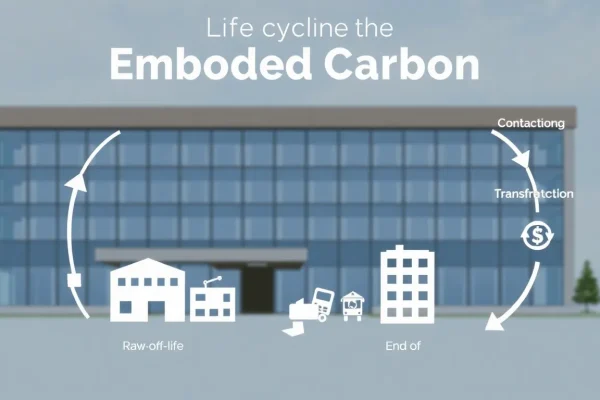
Embodied carbon refers to the greenhouse gas emissions from building material production, transportation, and construction. Reducing it is a critical and increasingly viable strategy…
A material footprint measures the total amount of raw materials extracted globally to satisfy a country's final consumption, including materials used in producing imported…