Climate Overshoot Explained
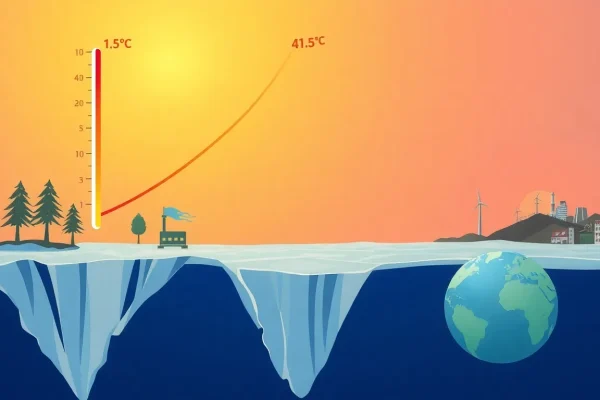
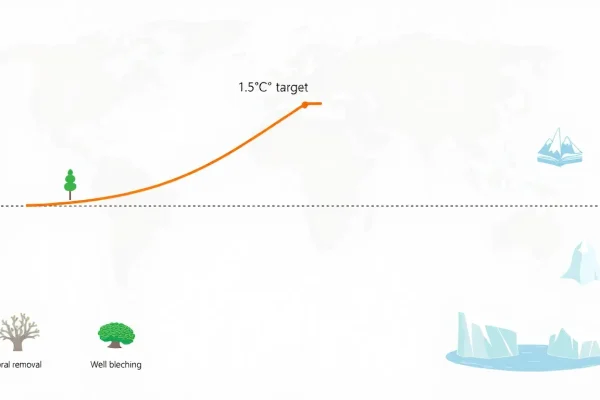
Climate overshoot refers to a scenario where global average temperatures temporarily exceed a target level, such as 1.5°C or 2°C above pre-industrial levels, before…
Topic archive
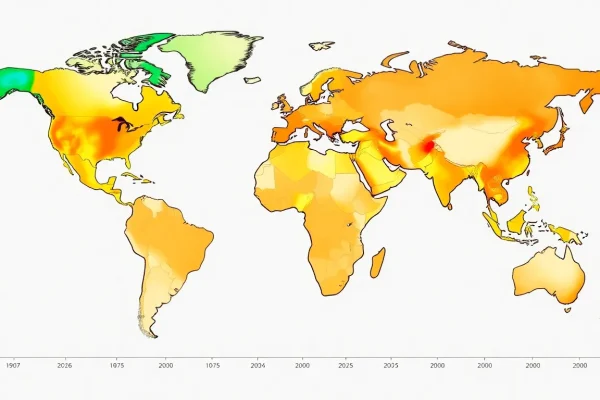
Impact of greenhouse gases on global temperature and weather patterns.
Climate overshoot refers to a scenario where global average temperatures temporarily exceed a target level, such as 1.5°C or 2°C above pre-industrial levels, before…
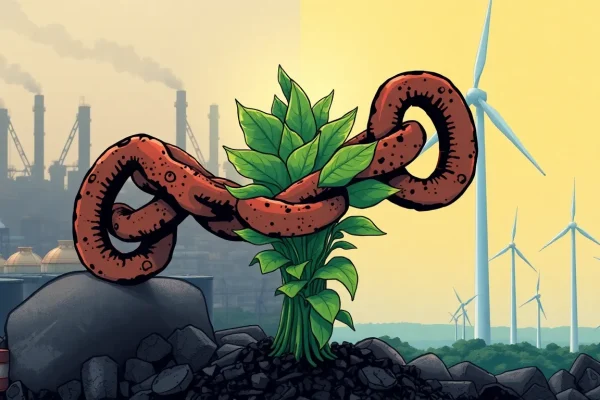
Carbon lock-in is the self-reinforcing inertia of fossil fuel-based systems that makes shifting to low-carbon alternatives difficult. It arises from technological, institutional, and behavioral…
Representative Concentration Pathways (RCPs) are greenhouse gas concentration trajectories used in climate modeling. The current set includes RCP2.6, RCP4.5, RCP6.0, and RCP8.5, defined by…
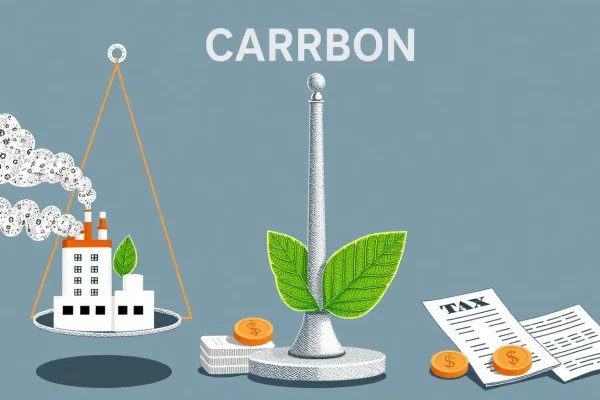
A carbon tax is a fee imposed on the carbon content of fossil fuels, designed to reduce greenhouse gas emissions by making polluting activities…
Global temperature can decline after overshooting 1.5°C if net-negative emissions are achieved, but this requires large-scale carbon dioxide removal and comes with irreversible impacts.…
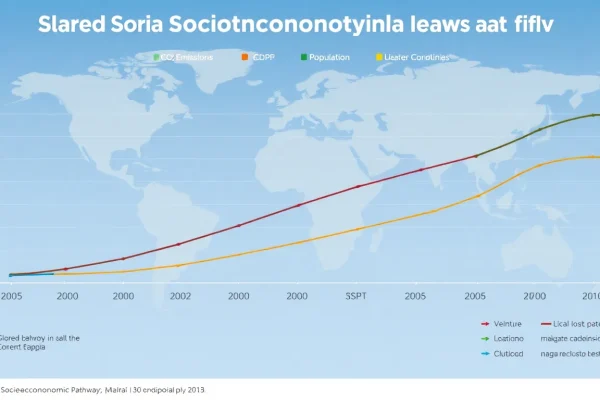
The Shared Socioeconomic Pathways (SSPs) are a set of five global scenarios (SSP1–SSP5) used in climate research to describe alternative socioeconomic futures through 2100.…
Sea-level rise is not uniform across the globe due to a combination of factors including gravitational effects from melting ice sheets, ocean currents and…
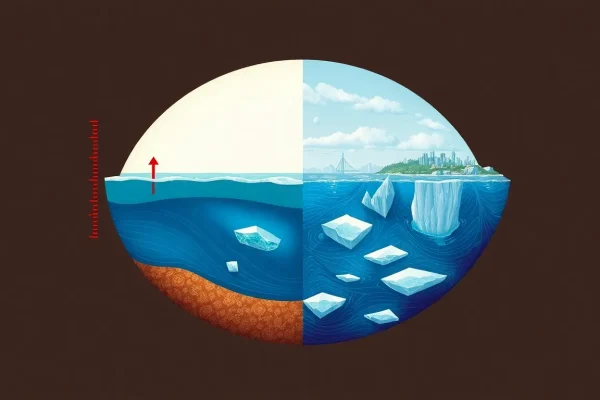
Sea-level rise is driven by two main processes: thermal expansion of seawater as it warms, and the addition of freshwater from melting land ice.…
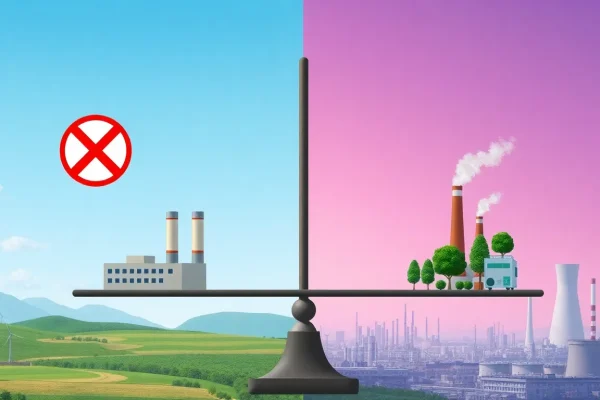
Gross zero emissions means eliminating all greenhouse gas emissions at their source, while net zero allows for some residual emissions to be balanced by…
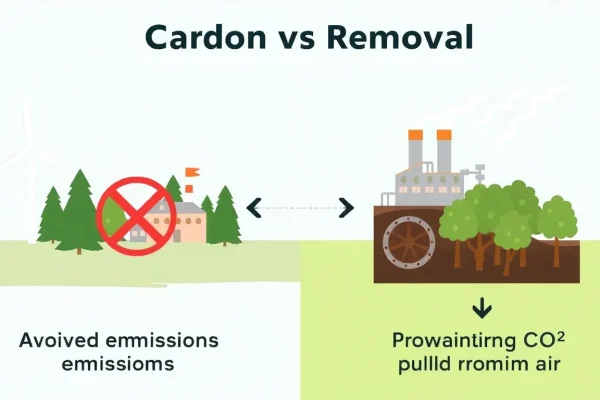
Avoidance credits finance projects that prevent emissions, while removal credits support projects that extract CO2 from the atmosphere. Both are used in carbon markets…