ESG vs Sustainability: Key Differences and Why They Matter
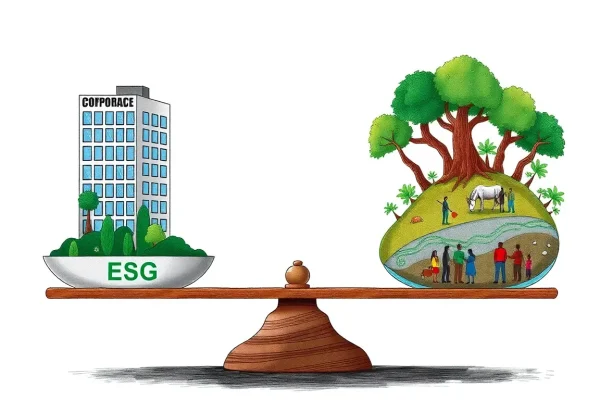
ESG (Environmental, Social, and Governance) refers to a set of criteria used by investors to evaluate a company’s operations and risk exposure, while sustainability…
Topic archive
Covers environmental justice issues and pathways to sustainable development
ESG (Environmental, Social, and Governance) refers to a set of criteria used by investors to evaluate a company’s operations and risk exposure, while sustainability…
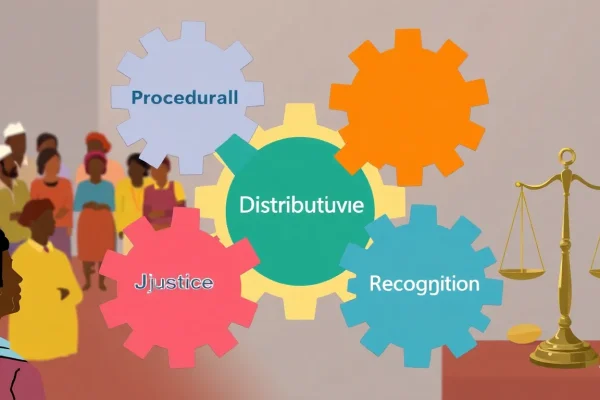
Procedural, distributive, and recognition justice are three interconnected dimensions of fairness that address how decisions are made, how resources are allocated, and how people's…
Explore environmental justice, climate justice, inequality, and why the impacts of planetary change are distributed unevenly across communities, generations, and nations.
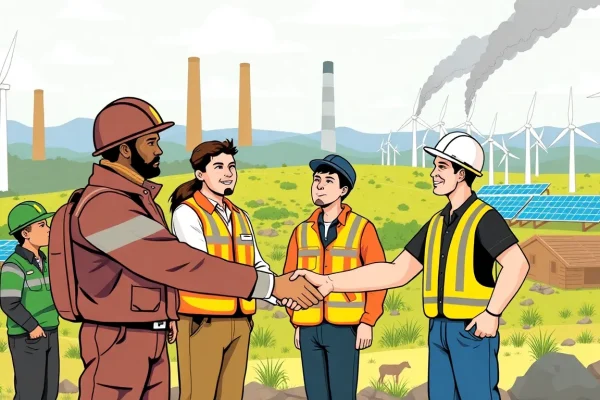
A just transition is a framework for shifting to a sustainable, low-carbon economy in a way that is fair and inclusive, protecting workers, communities,…
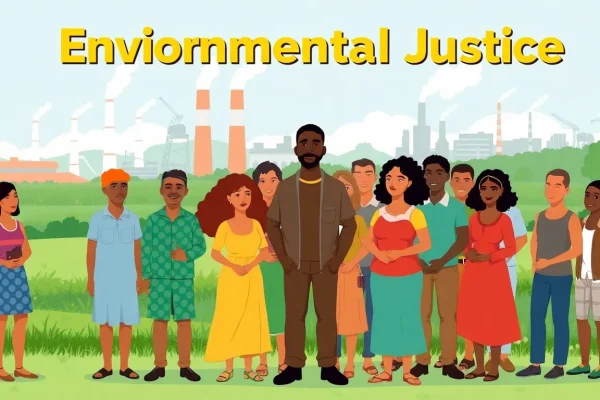
Environmental justice is the fair treatment and meaningful involvement of all people regardless of race, color, national origin, or income with respect to the…
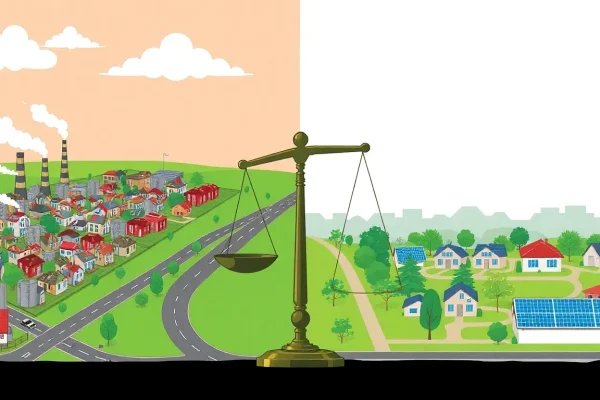
Inequality shapes environmental risk by concentrating hazards in disadvantaged communities while limiting their capacity to respond. Low-income and marginalized groups often face greater exposure…
Climate justice and environmental justice are related but distinct frameworks addressing the unequal distribution of environmental benefits and burdens. Environmental justice focuses on fair…