Why Natural Carbon Sinks Are Becoming Less Reliable
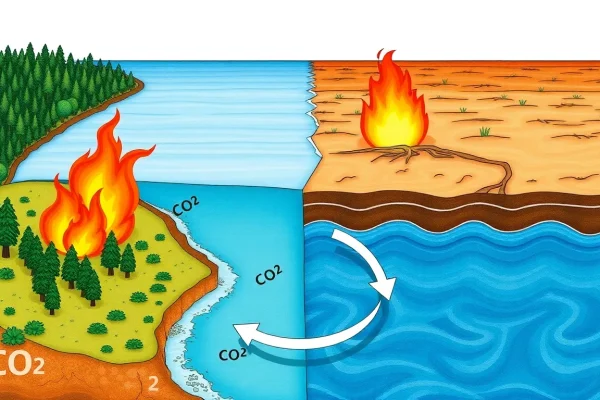
Natural carbon sinks—forests, oceans, and soils—absorb about half of human-caused CO₂ emissions, but their capacity is weakening due to climate change, deforestation, and pollution.…
Topic archive
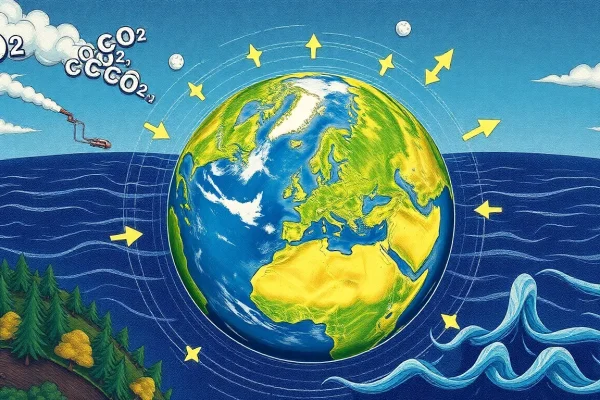
How carbon moves through atmosphere, biosphere, oceans, and lithosphere.
Natural carbon sinks—forests, oceans, and soils—absorb about half of human-caused CO₂ emissions, but their capacity is weakening due to climate change, deforestation, and pollution.…
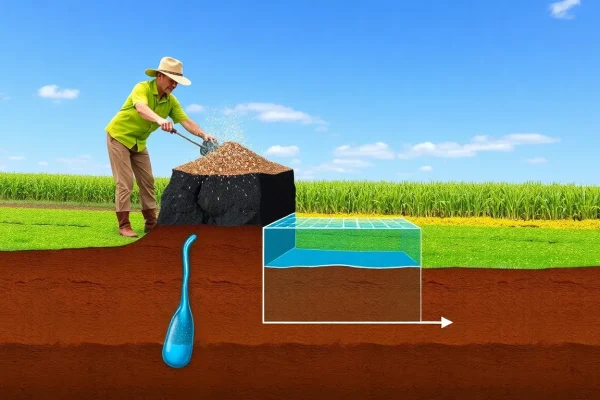
Enhanced rock weathering is a carbon dioxide removal technique that accelerates natural geological processes by spreading finely ground silicate rocks on land. It aims…
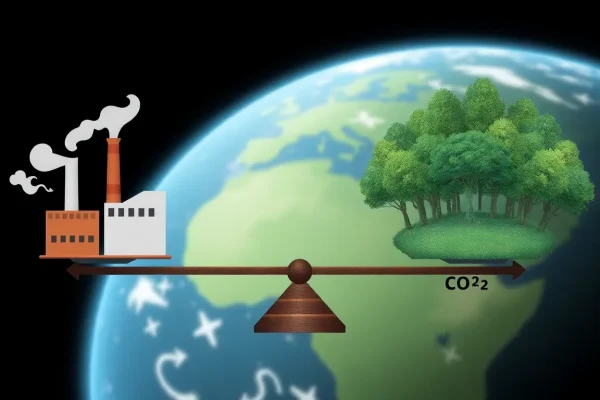
Carbon sources release more carbon into the atmosphere than they absorb, while carbon sinks absorb more carbon than they release. The balance between these…
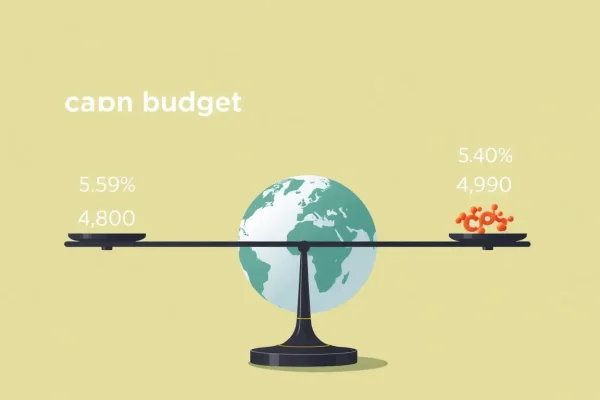
Carbon budget estimates—the amount of CO₂ that can still be emitted while limiting warming to a given temperature target—vary widely because of differences in…
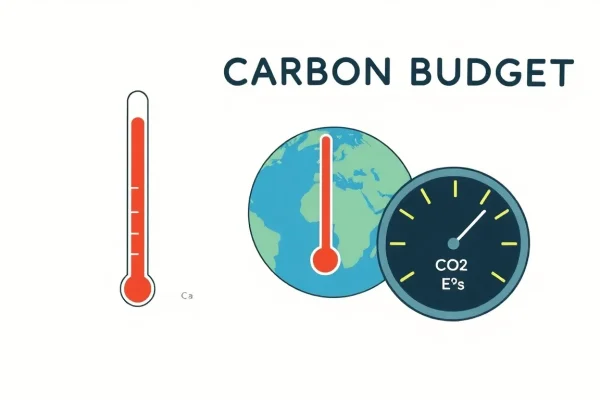
The remaining carbon budget is the maximum amount of carbon dioxide (CO₂) that can still be emitted while keeping global warming below a specific…
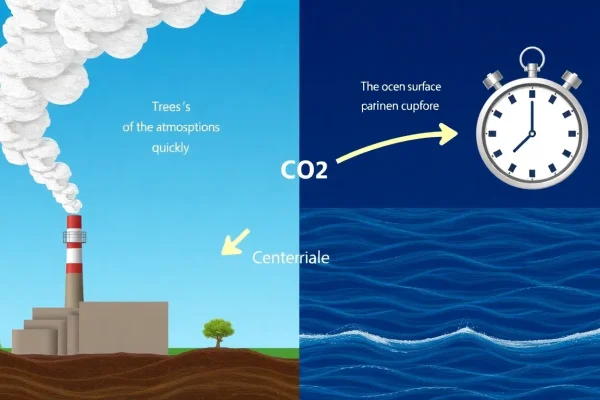
Carbon dioxide (CO₂) does not have a single atmospheric lifetime. About half of emitted CO₂ is removed within 30 years, but a substantial fraction…
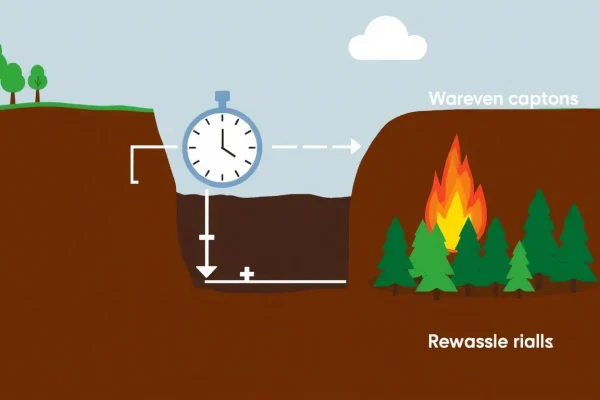
Carbon removal permanence refers to the duration that removed CO2 remains out of the atmosphere. It is a critical factor in evaluating carbon removal…
Carbon dioxide accumulates in the atmosphere because human activities—primarily burning fossil fuels and deforestation—release CO2 faster than natural sinks like oceans and forests can…
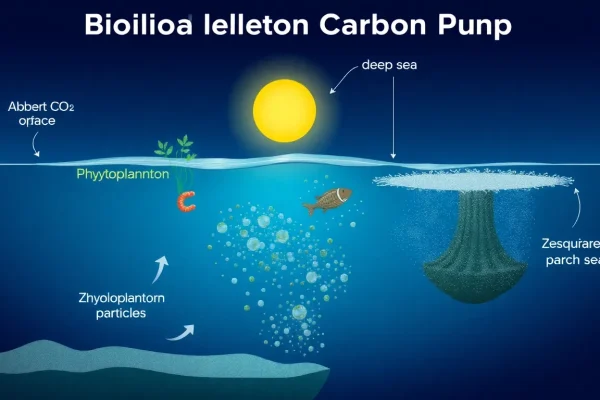
The biological carbon pump is the ocean's natural process of transferring carbon from the surface to the deep sea through the sinking of organic…
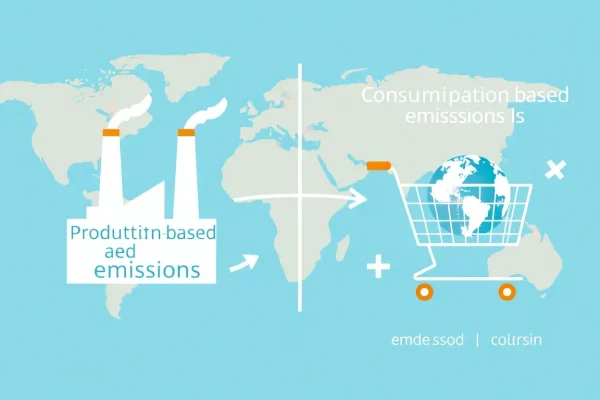
In 2022, global production-based CO2 emissions from fossil fuels and industry were 36.1 GtCO2, while consumption-based emissions were identical globally but varied by country…