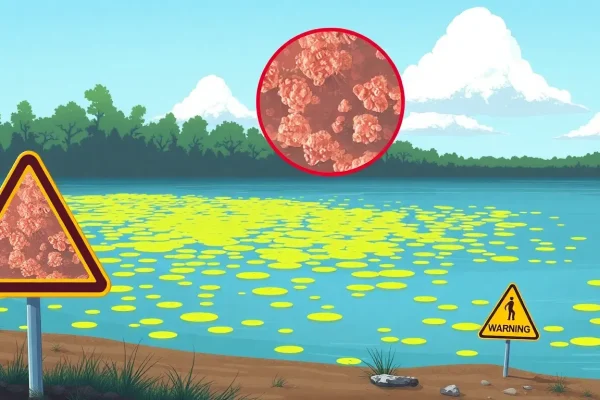
Why Some Algal Blooms Produce Toxins
Some algal blooms produce toxins as a defense mechanism against grazers or as byproducts of metabolic processes. These toxins, known as cyanotoxins or phycotoxins,…
Search results
Guides, research and analysis matching your search.
36 resultsSome algal blooms produce toxins as a defense mechanism against grazers or as byproducts of metabolic processes. These toxins, known as cyanotoxins or phycotoxins,…
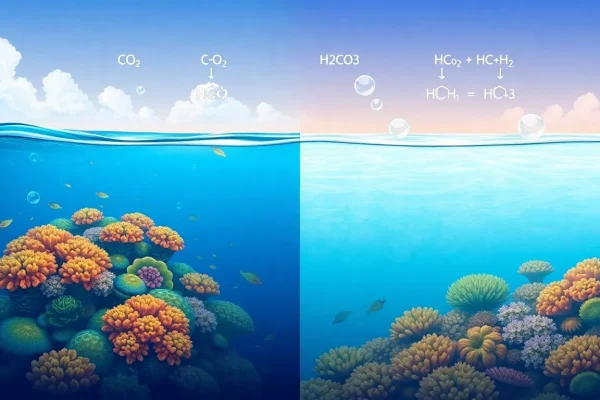
When carbon dioxide (CO₂) from the atmosphere dissolves in seawater, it triggers a series of chemical reactions that lower the ocean's pH, a process…
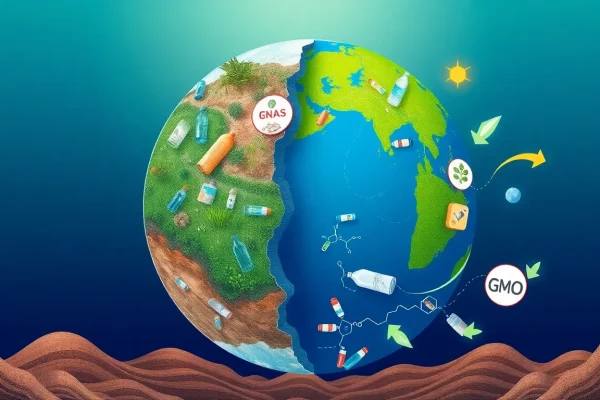
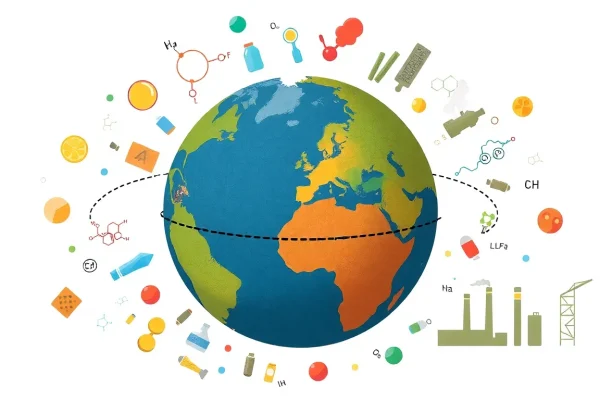
A novel entity is a new substance, a new form of an existing substance, or a modified life form introduced by human activities that…
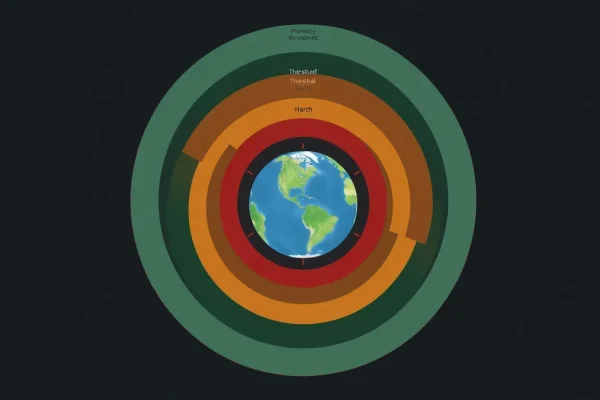
The planetary boundaries framework defines a safe operating space for humanity by identifying nine Earth-system processes and their thresholds. Unlike traditional environmental thresholds that…
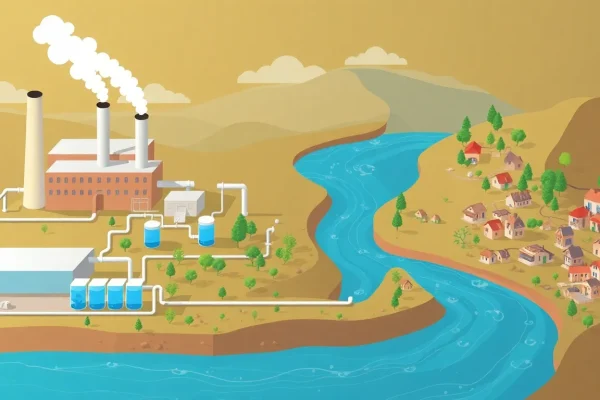
Corporate water stewardship is a business approach that goes beyond managing water use within a company’s own operations to address shared water risks and…
Ecological economics is a transdisciplinary field that views the economy as a subsystem of the Earth's ecosystem, emphasizing that economic activity must respect biophysical…
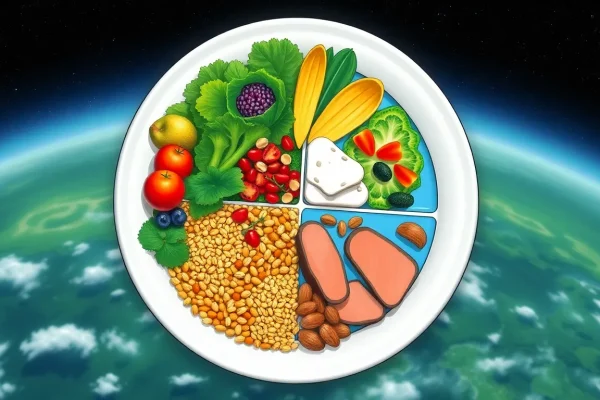
The EAT-Lancet Commission proposed a global reference diet that could feed 10 billion people by 2050 while preventing about 11 million premature deaths annually…
Chemical pollution cannot be captured by a single global boundary because it encompasses hundreds of thousands of diverse substances with different toxicities, environmental fates,…
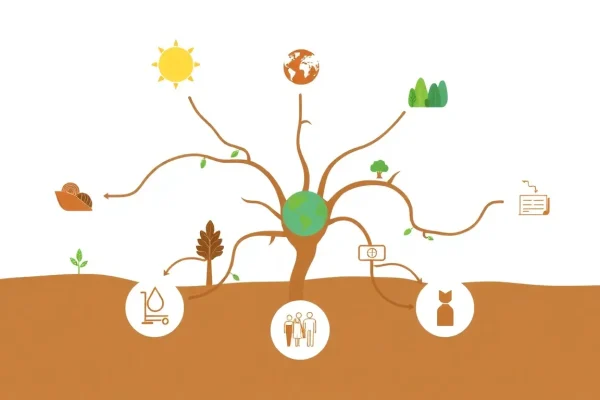
Environmental problems are systems problems because they arise from complex interactions between natural and human systems, characterized by feedback loops, non-linear dynamics, and interconnected…
Explore environmental justice, climate justice, inequality, and why the impacts of planetary change are distributed unevenly across communities, generations, and nations.