The Nine Planetary Boundaries: Status, Thresholds and Interactions
Explore the status, scientific thresholds and interactions of the nine planetary boundaries defining Earth’s safe operating space.
Search results
Guides, research and analysis matching your search.
160 resultsExplore the status, scientific thresholds and interactions of the nine planetary boundaries defining Earth’s safe operating space.
Human civilization depends on more than economic growth, technological innovation, and political stability. It also depends on a functioning planet. Reliable rainfall supports agriculture.…
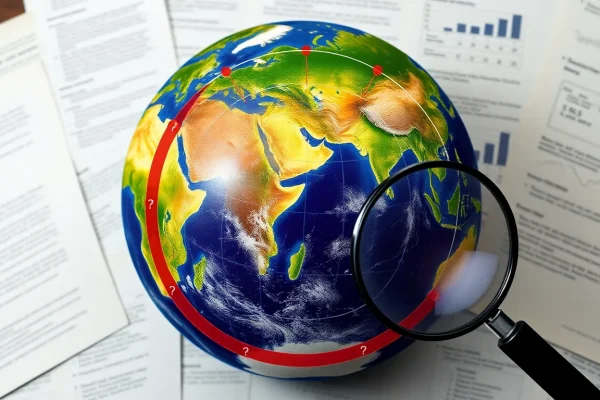
The “safe operating space for humanity” is the central concept of the planetary boundaries framework, defining a Holocene-like state in which human societies can…
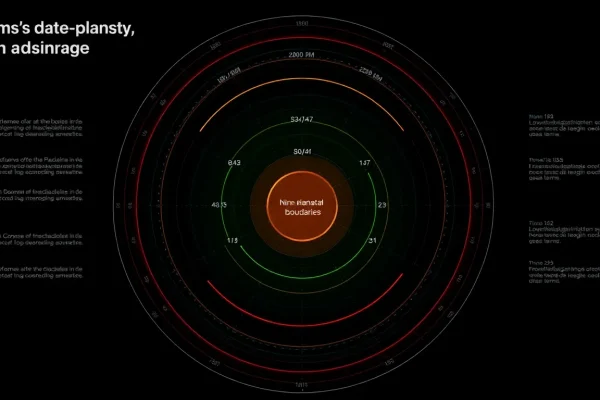
The planetary boundaries framework identifies nine Earth-system processes and proposes quantitative limits to maintain a safe operating space for humanity. While influential in science…
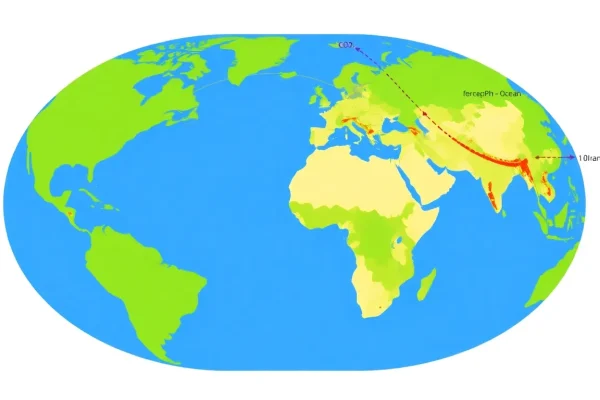
The planetary boundaries framework defines a safe operating space for humanity, but not all boundaries are global in scale. Some, like climate change and…
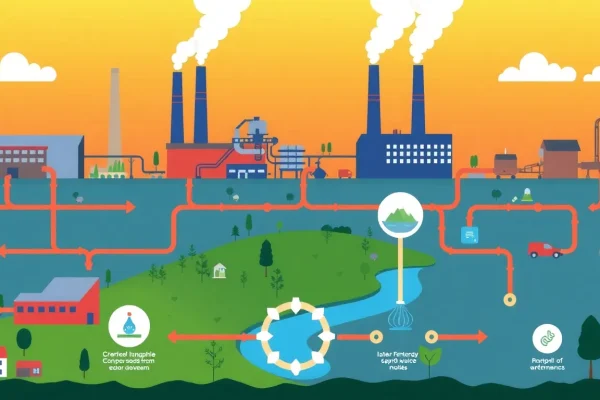
Industrial symbiosis is a collaborative approach where waste or by-products of one company become valuable inputs for another, mimicking natural ecosystems. It offers a…
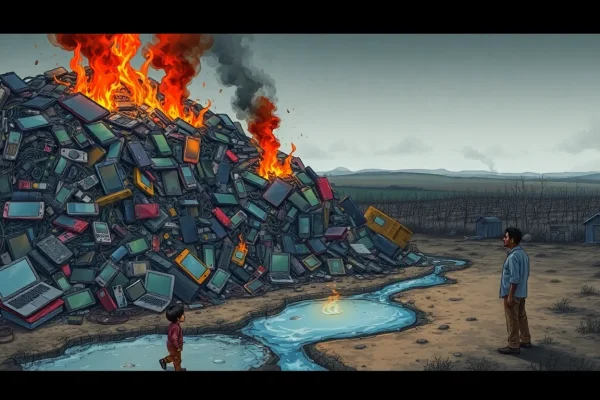
Electronic waste, or e-waste, contains hazardous substances such as lead, mercury, and flame retardants that, when improperly disposed of or informally recycled, contaminate air,…
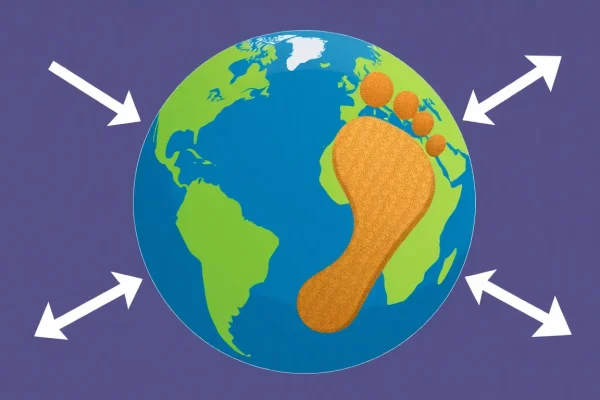
A material footprint measures the total amount of raw materials extracted globally to satisfy a country's final consumption, including materials used in producing imported…
Pollinators, including bees, butterflies, birds, and bats, are essential for the reproduction of many flowering plants, including a significant portion of global food crops.…
Microplastics are plastic particles smaller than 5 millimeters, while nanoplastics are even tinier, measuring less than 1 micrometer. Both originate from the breakdown of…