In brief
At a glance
Quick Facts
- Size of microplastics
- Less than 5 mm in diameter; often categorized as large (1–5 mm) or small (<1 mm).
- Size of nanoplastics
- 1 to 1,000 nanometers (0.001–1 µm); invisible to the naked eye and most microscopes.
- Primary sources
- Breakdown of larger plastics, synthetic textiles, tire wear, city dust, and microbeads in personal care products.
- Global distribution
- Found in oceans, freshwater, soil, air, drinking water, food, and even remote polar regions.
- Human exposure routes
- Ingestion of contaminated food/water, inhalation of airborne particles, and possibly dermal contact.
- Potential health effects
- Physical damage, oxidative stress, inflammation, and transport of toxic additives; nanoplastics may cross biological barriers.
- Detection challenges
- Nanoplastics are extremely difficult to detect and quantify in environmental samples due to their small size.
- Regulatory status
- Microbeads banned in rinse-off cosmetics in many countries; broader microplastic restrictions under development.
Key Takeaways
- Microplastics are plastic particles smaller than 5 mm; nanoplastics are even smaller, typically below 1 µm, and often behave differently in the environment and in organisms.
- Both types originate from the fragmentation of larger plastic waste or are intentionally added to products, and they are now found globally in water, soil, air, and food.
- Nanoplastics are more likely to cross biological barriers and enter cells, potentially causing greater toxic effects than microplastics, though research is still evolving.
- Reducing plastic production and improving waste management are critical to limiting the release of both microplastics and nanoplastics into the environment.
What Is Microplastics vs Nanoplastics?
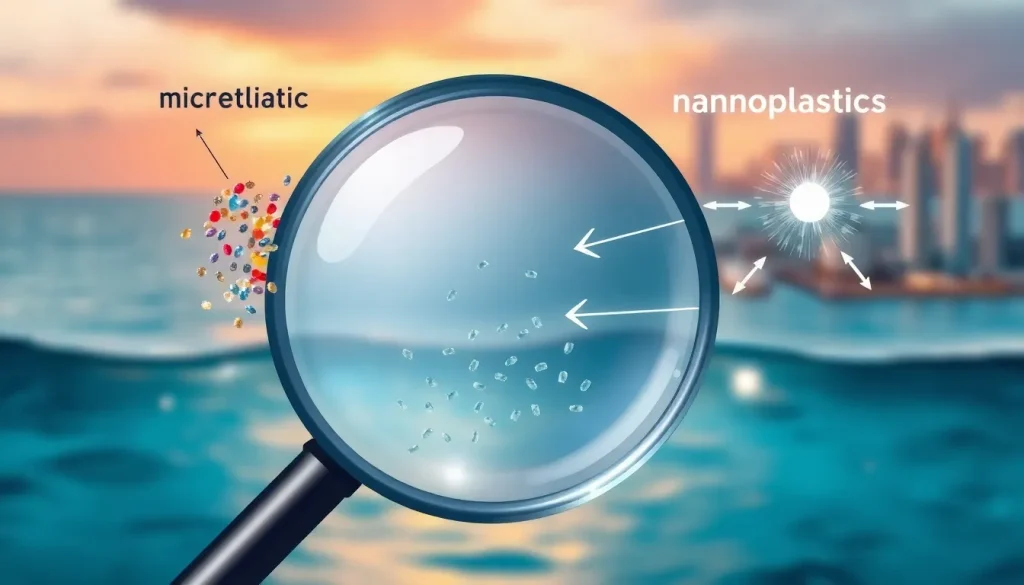
Microplastics and nanoplastics are minute plastic particles that differ primarily in size. Microplastics are generally defined as plastic fragments, fibers, or beads with a diameter of less than 5 millimeters (5,000 micrometers), while nanoplastics are even smaller, typically measuring between 1 and 1,000 nanometers (0.001–1 micrometer). To put this in perspective, a nanoplastics particle is at least a thousand times smaller than the smallest microplastic. Both categories are considered emerging contaminants of concern because they are persistent in the environment, can absorb and transport toxic chemicals, and are easily ingested or inhaled by organisms.
These particles are not a single material but rather a diverse group of synthetic polymers, including polyethylene, polypropylene, polystyrene, and polyethylene terephthalate. They can be primary (intentionally manufactured at small sizes, such as microbeads in cosmetics or pellets used in industrial processes) or secondary (formed by the breakdown of larger plastic items through weathering, UV radiation, and mechanical abrasion). The distinction between microplastics and nanoplastics is not just about size; it also influences their environmental behavior, detection methods, and potential biological effects. Because nanoplastics are so small, they are more challenging to study and regulate, yet they may pose unique risks due to their ability to penetrate tissues and cells.
How They Form and Behave
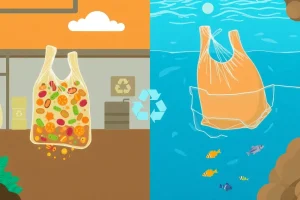
Microplastics and nanoplastics enter the environment through a variety of pathways. Primary microplastics are manufactured at small sizes for use in products like exfoliating scrubs, industrial abrasives, and as pellets (nurdles) for plastic production. Secondary microplastics and nanoplastics result from the fragmentation of larger plastic items—such as bottles, bags, fishing nets, and synthetic textiles—due to exposure to sunlight, heat, mechanical forces, and microbial activity. Over time, these larger plastics degrade into smaller and smaller pieces, eventually reaching the nanoscale. This fragmentation process can continue indefinitely, meaning that the total number of plastic particles in the environment increases even if no new plastic is introduced.
Once in the environment, the behavior of microplastics and nanoplastics differs significantly. Microplastics tend to remain suspended in water or settle in sediments depending on their density, while nanoplastics can remain dispersed in water as colloidal particles due to their high surface-area-to-volume ratio and interactions with natural organic matter. Nanoplastics are also more likely to cross biological membranes, including cell walls and the blood-brain barrier, and can act as vectors for toxic substances. Their small size makes them difficult to filter out during water treatment, and they can be transported long distances through air and ocean currents.
Main Causes or Drivers
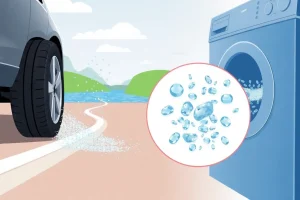
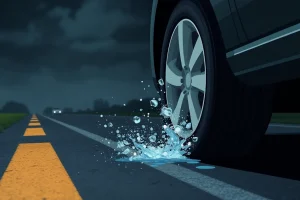
The primary driver of microplastic and nanoplastic pollution is the massive global production and improper disposal of plastic materials. Since the mid-20th century, plastic production has increased exponentially, with a significant portion ending up in landfills or the natural environment. Single-use plastics, synthetic textiles, tire wear, and city dust are major contributors. For example, washing synthetic clothing releases microfibers into wastewater, while the abrasion of car tires on roads generates microplastic particles that are washed into waterways. Agricultural practices, such as the use of plastic mulch films and sewage sludge as fertilizer, also introduce microplastics into soil. Over time, these larger microplastics further degrade into nanoplastics through physical, chemical, and biological processes.
Environmental and Human Impacts
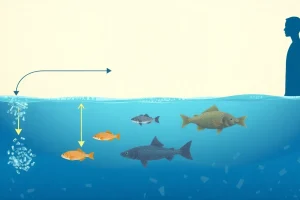
Microplastics and nanoplastics have been detected in marine and freshwater ecosystems, soils, and the atmosphere. In aquatic environments, they are ingested by a wide range of organisms, from plankton to fish, and can cause physical harm, such as internal abrasions and blockages, as well as chemical harm from leaching additives or adsorbed pollutants. Nanoplastics, due to their minute size, can penetrate cell membranes and have been shown to cause oxidative stress, inflammation, and genotoxicity in laboratory studies. They can also transfer through food webs, potentially accumulating in higher trophic levels, including humans.
For humans, exposure occurs through ingestion of contaminated food and water, inhalation of airborne particles, and possibly dermal contact. Microplastics have been found in human stool, blood, and even placental tissue, indicating that they can enter and circulate within the human body. The health implications are still under investigation, but concerns include physical damage, chemical toxicity from plastic additives, and the potential for nanoplastics to cross biological barriers and reach organs. The long-term effects of chronic exposure remain largely unknown.
What the Evidence Shows
Scientific research on microplastics and nanoplastics has grown rapidly, but significant knowledge gaps remain, especially for nanoplastics. Studies have confirmed the widespread presence of microplastics in marine and freshwater environments, soils, air, and biota. Laboratory experiments demonstrate that microplastics can cause physical harm to organisms, such as reduced feeding and reproductive success, while nanoplastics can induce cellular and molecular damage. However, most research has used concentrations far higher than those typically found in the environment, making it difficult to assess real-world risks.
For nanoplastics, detection and quantification in environmental samples remain extremely challenging due to their small size and the limitations of current analytical methods. As a result, there is limited data on their actual environmental concentrations and fate. Toxicological studies suggest that nanoplastics may be more hazardous than microplastics because of their ability to penetrate tissues and interact with cellular machinery, but the evidence is still emerging. The precautionary principle is often invoked, urging action to reduce plastic pollution despite incomplete scientific certainty.
Solutions
Addressing microplastic and nanoplastic pollution requires a combination of upstream and downstream measures. Upstream solutions focus on reducing plastic production and consumption, promoting reusable and biodegradable alternatives, and improving product design to minimize fragmentation. For example, banning intentionally added microplastics in cosmetics and personal care products has been implemented in several regions. Downstream measures include enhancing wastewater treatment to capture microfibers, developing better filtration technologies, and cleaning up existing plastic debris from oceans and waterways.
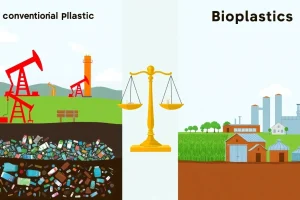
Policy interventions, such as extended producer responsibility schemes and plastic bag bans, can also help. On a global scale, a comprehensive treaty on plastic pollution is being negotiated to address the full lifecycle of plastics. However, because nanoplastics are so small and difficult to remove once released, prevention is far more effective than remediation. Research into biodegradable plastics that do not fragment into persistent nanoplastics is ongoing, but such materials must be carefully designed to avoid unintended consequences.
Common Misconceptions
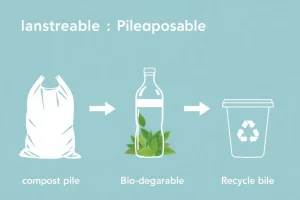
One common misconception is that all microplastics and nanoplastics are visible to the naked eye. In reality, most microplastics are microscopic, and nanoplastics are far below the limit of optical detection. Another misunderstanding is that only large plastic items like bags and bottles contribute to the problem; in fact, everyday activities such as driving (tire wear) and washing synthetic clothes release vast quantities of microplastics. Some people also believe that biodegradable plastics solve the issue, but many so-called biodegradable plastics only break down under specific industrial conditions and can still fragment into harmful micro- and nanoplastics in natural environments. Finally, there is a misconception that microplastics and nanoplastics are only an ocean problem, when in fact they are found in freshwater, soil, air, and even remote areas like the Arctic.
FAQ
What is the difference between microplastics and nanoplastics?
The main difference is size: microplastics are smaller than 5 mm, while nanoplastics are smaller than 1 micrometer (1,000 nanometers). This size difference affects how they behave in the environment and interact with living organisms.
How do microplastics and nanoplastics affect human health?
Research is ongoing, but studies suggest they can cause physical damage, inflammation, and oxidative stress. Nanoplastics may be more hazardous because they can cross biological barriers and enter cells, potentially carrying toxic chemicals.
Why are nanoplastics harder to study than microplastics?
Nanoplastics are extremely small and difficult to detect with standard analytical methods. They require advanced techniques like electron microscopy and specialized spectroscopy, and there are no standardized protocols for their measurement in environmental samples.
References
- GESAMP (2019). Guidelines for the monitoring and assessment of plastic litter in the ocean. Reports and Studies No. 99.
- EFSA Panel on Contaminants in the Food Chain (2016). Presence of microplastics and nanoplastics in food, with particular focus on seafood. EFSA Journal.
- World Health Organization (2019). Microplastics in drinking-water. Geneva: WHO.