What Is Ecological Economics? A Comprehensive Overview
Ecological economics is a transdisciplinary field that views the economy as a subsystem of the Earth's ecosystem, emphasizing that economic activity must respect biophysical…
Search results
Guides, research and analysis matching your search.
160 resultsEcological economics is a transdisciplinary field that views the economy as a subsystem of the Earth's ecosystem, emphasizing that economic activity must respect biophysical…
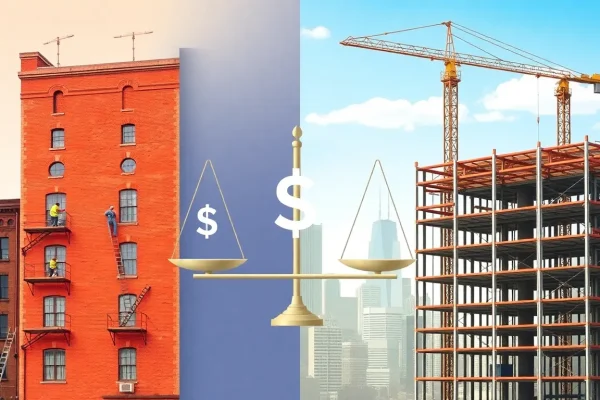
Renovating existing buildings often has lower upfront embodied carbon and can preserve cultural heritage, while new construction allows for modern energy performance and density.…
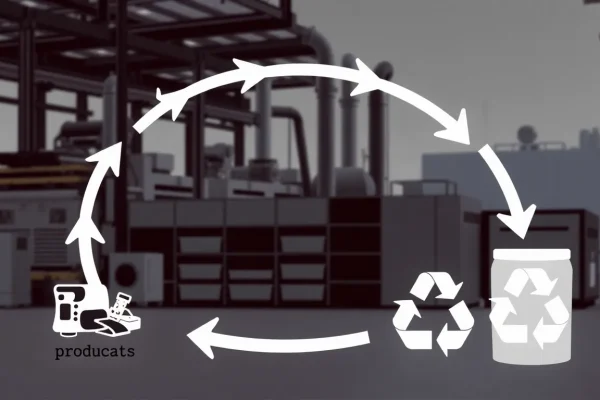
Extended Producer Responsibility (EPR) is a policy approach that makes producers responsible for the entire lifecycle of their products, especially end-of-life management. It shifts…
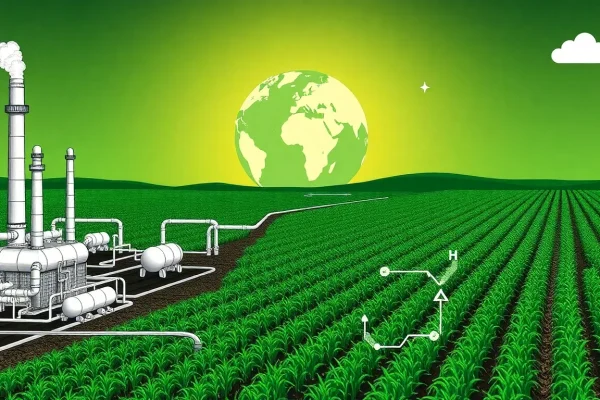
The Haber-Bosch process is an industrial method that synthesizes ammonia from atmospheric nitrogen, providing the foundation for synthetic nitrogen fertilizers. It is estimated to…
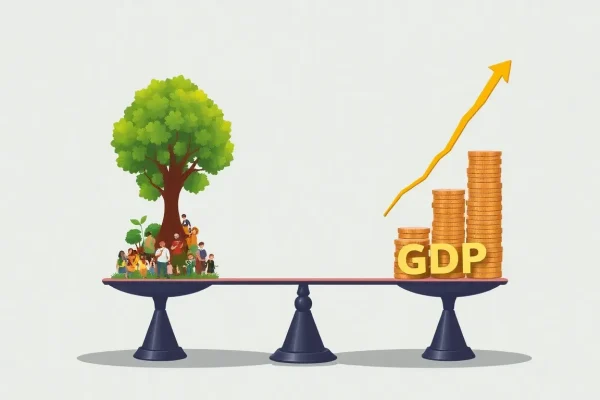
Post-growth economics is a school of thought that challenges the primacy of GDP growth as a policy goal, arguing that endless economic expansion is…
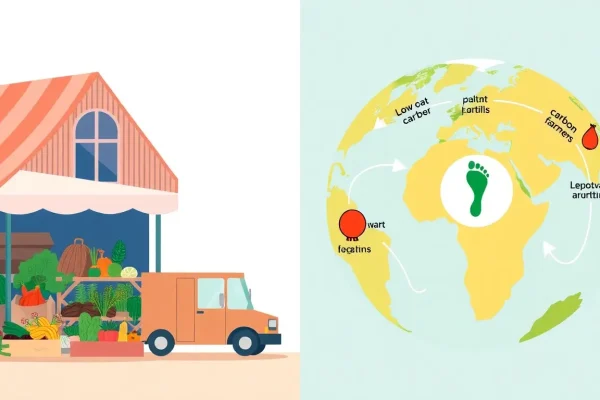
Local food is defined by geographic proximity, while low-carbon food is defined by its total greenhouse gas emissions across the entire supply chain. Although…
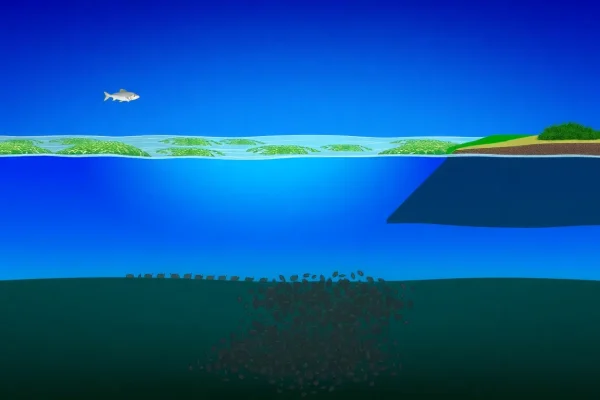
Hypoxia and anoxia are conditions of low and zero dissolved oxygen, respectively, in water bodies. They occur when oxygen consumption by biological and chemical…
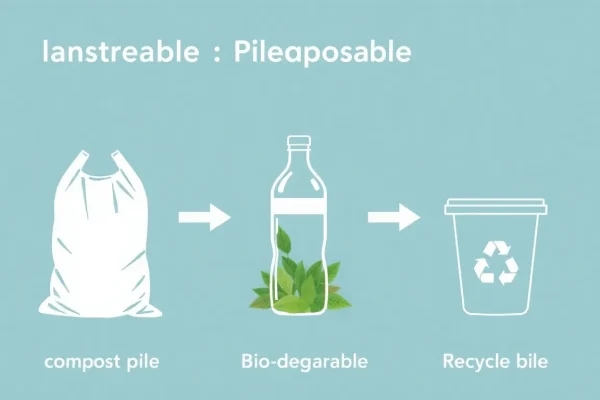
Compostable plastics break down into non-toxic components in composting conditions, while biodegradable plastics can degrade naturally but without a defined timeframe or end-product. Bio-based…
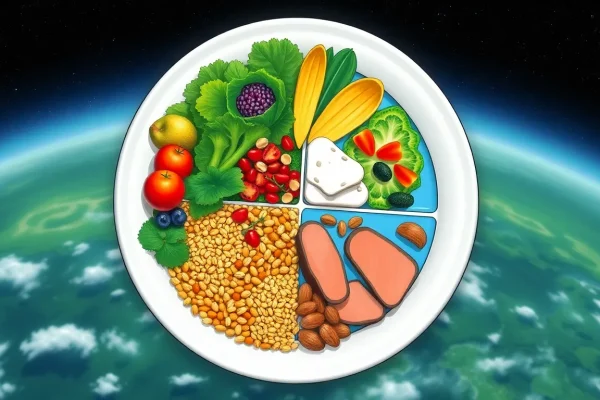
The EAT-Lancet Commission proposed a global reference diet that could feed 10 billion people by 2050 while preventing about 11 million premature deaths annually…
High-speed rail offers a lower-carbon alternative to short-haul air travel on dense corridors, with proven success in Europe and Asia. However, its high upfront…