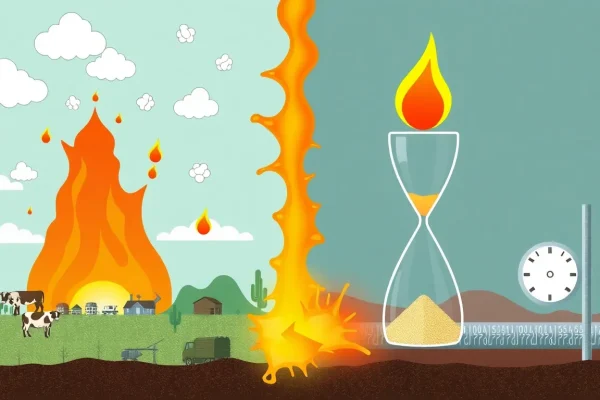
Why Methane Causes Strong but Shorter-Lived Warming
Methane is a potent greenhouse gas that traps heat far more effectively than carbon dioxide but remains in the atmosphere for only about 12…
Search results
Guides, research and analysis matching your search.
111 resultsMethane is a potent greenhouse gas that traps heat far more effectively than carbon dioxide but remains in the atmosphere for only about 12…
Walking and cycling are low-cost, high-impact solutions for improving public health by increasing physical activity, reducing air pollution, and enhancing mental well-being. Evidence strongly…
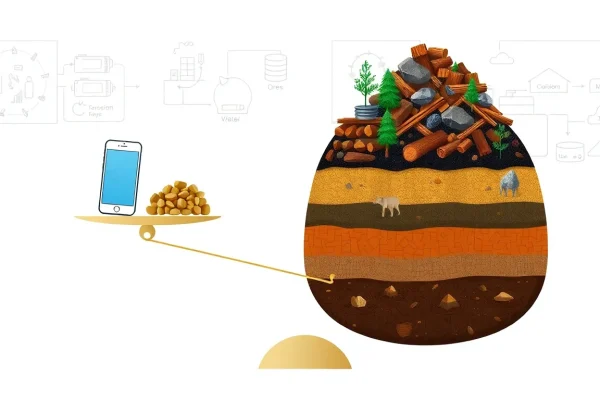
Raw Material Equivalent (RME) is a metric that quantifies the total amount of raw materials extracted from nature to produce a final product, including…
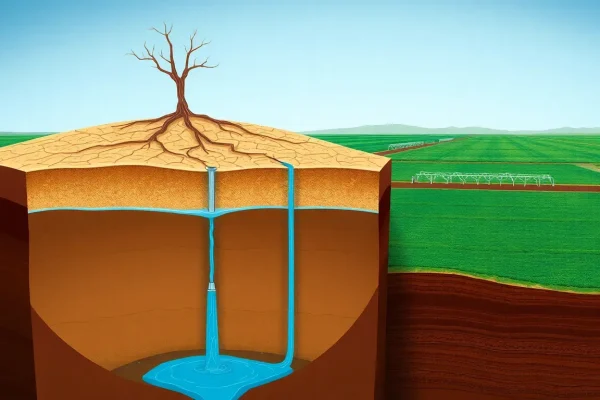
Groundwater depletion is the long-term decline in water stored in underground aquifers due to extraction exceeding natural recharge. Driven primarily by agricultural irrigation, urban…
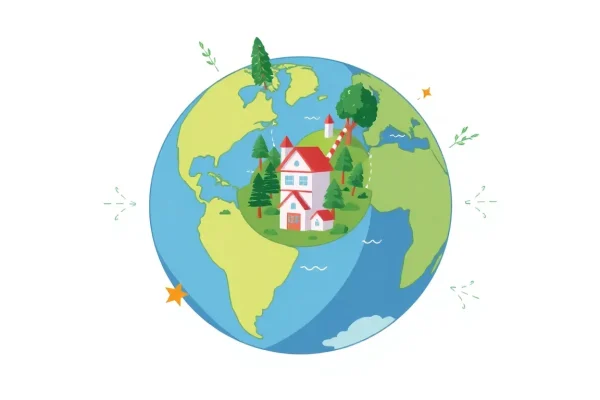
Ecological economics is a transdisciplinary field that views the economy as a subsystem of the Earth's ecosystem, emphasizing that economic activity must respect biophysical…
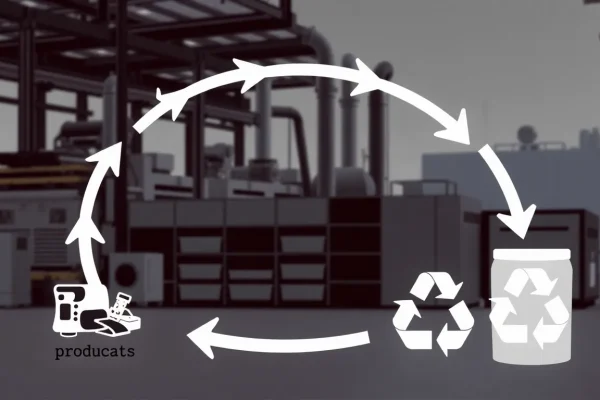
Extended Producer Responsibility (EPR) is a policy approach that makes producers responsible for the entire lifecycle of their products, especially end-of-life management. It shifts…
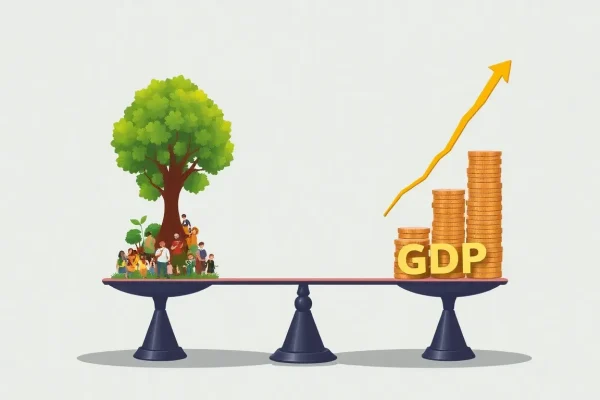
Post-growth economics is a school of thought that challenges the primacy of GDP growth as a policy goal, arguing that endless economic expansion is…
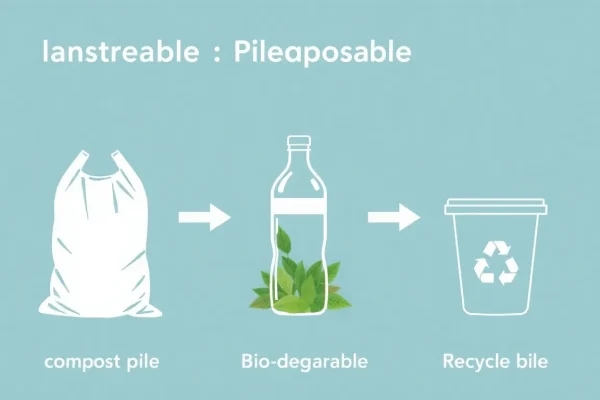
Compostable plastics break down into non-toxic components in composting conditions, while biodegradable plastics can degrade naturally but without a defined timeframe or end-product. Bio-based…
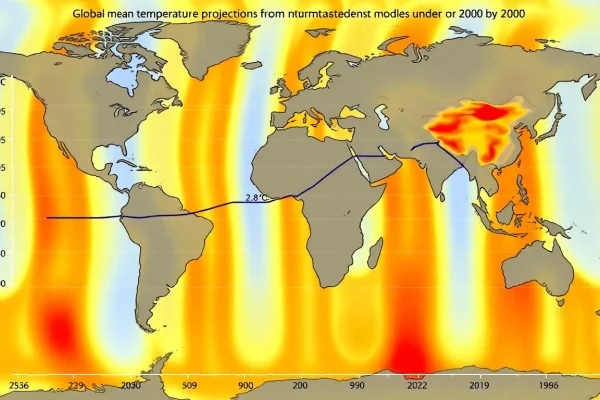
According to the UNEP Emissions Gap Report 2023, integrated assessment models (IAMs) project a median global warming of 2.8°C by 2100 under current policies,…
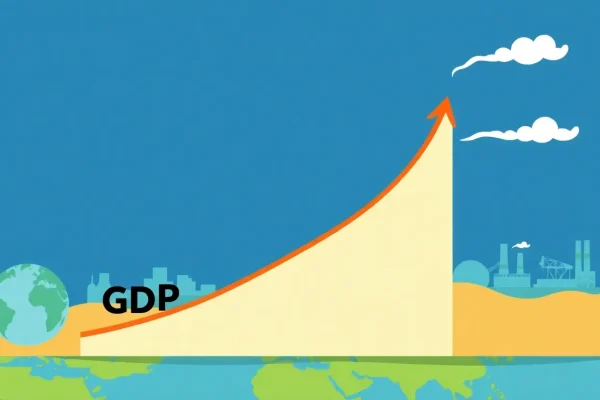
Absolute decoupling occurs when economic output (GDP) grows while total resource consumption or environmental impact declines in absolute terms. Evidence shows that while relative…