How Are Planetary Boundaries Measured?
Planetary boundaries are measured using control variables—specific, quantifiable indicators of Earth-system processes—compared against proposed safe limits derived from the Holocene baseline. As of 2023,…
Search results
Guides, research and analysis matching your search.
249 resultsPlanetary boundaries are measured using control variables—specific, quantifiable indicators of Earth-system processes—compared against proposed safe limits derived from the Holocene baseline. As of 2023,…
In 2023, global absolute CO2 emissions reached 36.8 billion tonnes, while per-capita emissions averaged 4.6 tonnes per person, according to the Global Carbon Project.…
Positive climate feedbacks amplify an initial change, such as warming from greenhouse gases, while negative feedbacks dampen it. These feedback loops are critical in…
Recycling, reuse, and waste prevention are three distinct strategies for managing materials and reducing environmental impact, ordered by effectiveness in the waste hierarchy. Waste…
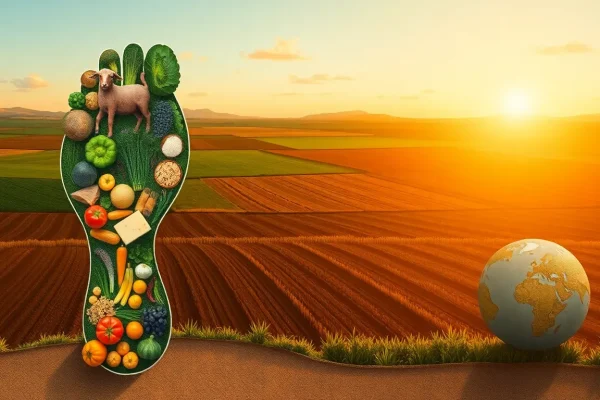
Animal-based foods, particularly beef and lamb, have the largest environmental footprints in terms of greenhouse gas emissions, land use, and water consumption. Plant-based foods…
Phosphorus pollution is the excessive input of phosphorus into water bodies, primarily from agricultural runoff, wastewater, and industrial discharges. It triggers eutrophication, leading to…
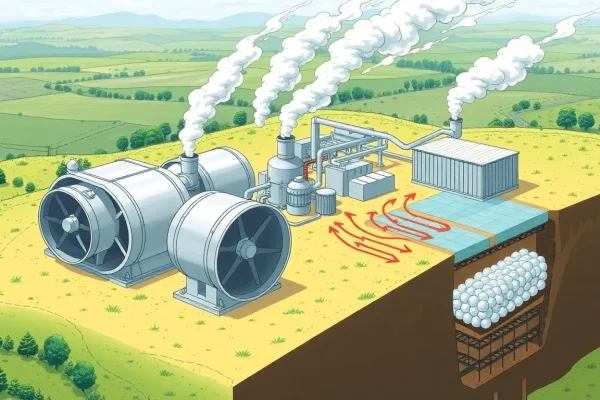
Direct air capture (DAC) is a technology that removes CO2 directly from the atmosphere. It addresses the need for negative emissions to meet climate…
Green water is precipitation stored in soil and used by plants, while blue water is liquid water in rivers, lakes, and aquifers. These concepts,…
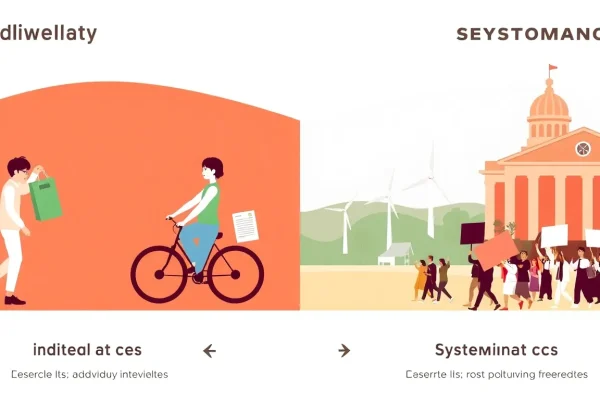
This analysis examines the debate over whether individual actions or systemic changes are more effective in solving large-scale societal problems. While individual actions are…
Food waste is the discarding of edible food throughout the supply chain and by consumers. When food is wasted, all the resources used to…