Which Planetary Boundaries Are Most Closely Connected?
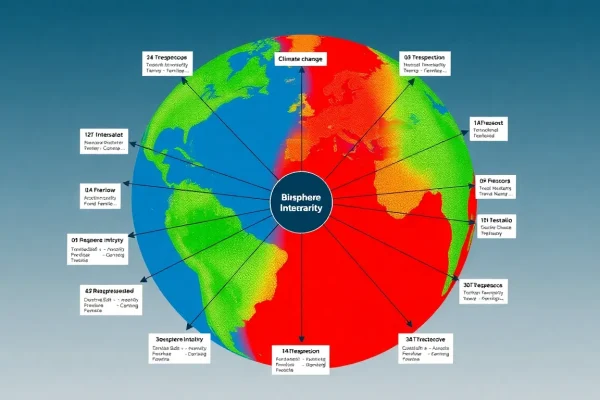
Planetary boundaries are not independent; they form a tightly coupled system. Climate change and biosphere integrity are the most central, mediating interactions among boundaries…
Search results
Guides, research and analysis matching your search.
105 resultsPlanetary boundaries are not independent; they form a tightly coupled system. Climate change and biosphere integrity are the most central, mediating interactions among boundaries…
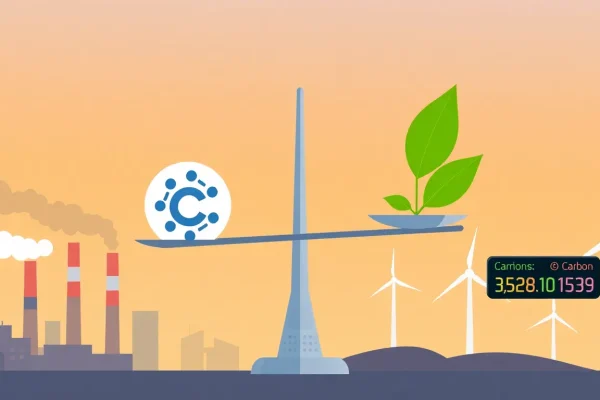
Carbon markets are widely promoted as a cost-effective tool to reduce emissions, but their real-world impact is mixed. This analysis examines the evidence, risks,…
Low-probability, high-impact climate risks are potential climate events or tipping points with a small chance of occurring but catastrophic consequences if they do. Understanding…
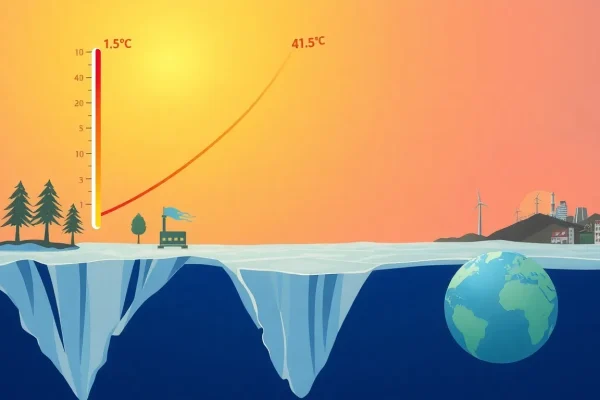
Global temperature can decline after overshooting 1.5°C if net-negative emissions are achieved, but this requires large-scale carbon dioxide removal and comes with irreversible impacts.…
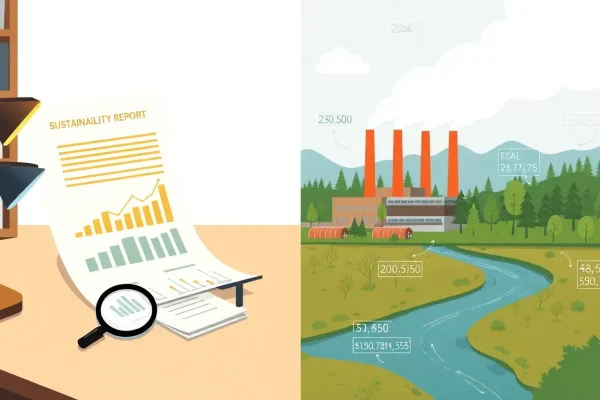
Sustainability reporting is the practice of disclosing environmental, social, and governance (ESG) data, while sustainability performance refers to the actual measurable outcomes of an…
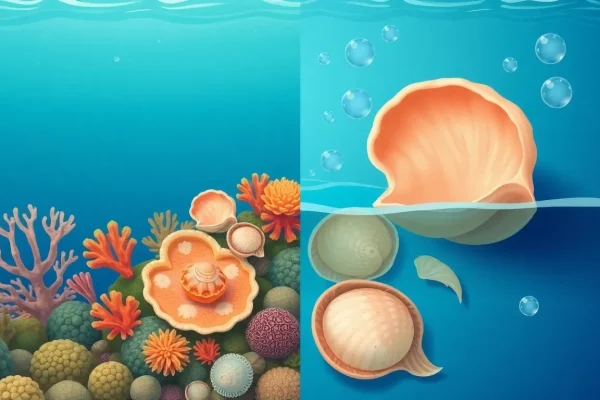
Ocean acidification, driven by increased atmospheric CO2, reduces carbonate ion availability, making it harder for shell-building organisms like corals and mollusks to form and…
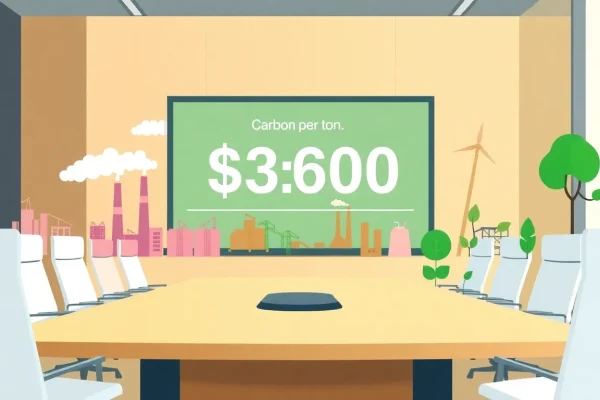
An internal carbon price is a monetary value that a company or organization voluntarily assigns to its greenhouse gas emissions to guide investment decisions,…
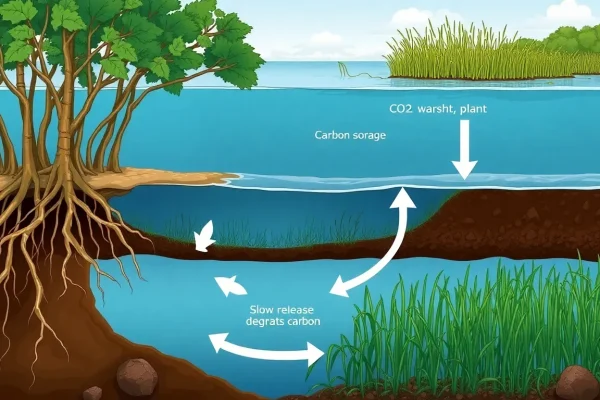
Blue carbon refers to carbon captured and stored in coastal and marine ecosystems, primarily mangroves, salt marshes, and seagrasses. These habitats sequester carbon at…
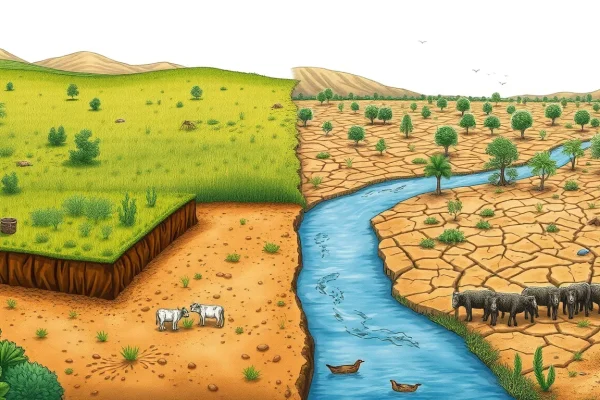
Land degradation is the decline in the quality and productivity of land, while desertification is a specific type of land degradation that occurs in…
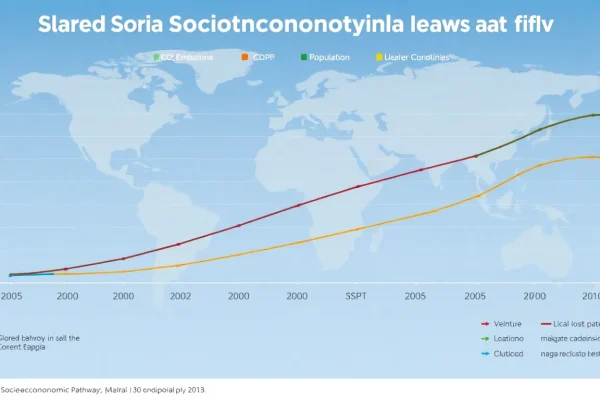
The Shared Socioeconomic Pathways (SSPs) are a set of five global scenarios (SSP1–SSP5) used in climate research to describe alternative socioeconomic futures through 2100.…