In brief
At a glance
Quick Facts
- Most effective strategy
- Waste prevention is the most effective way to conserve resources and reduce pollution because it avoids waste creation entirely.
- Energy savings from reuse
- Reusing a glass bottle saves about 50% of the energy required to recycle it and even more compared to producing a new bottle.
- Aluminum recycling efficiency
- Recycling aluminum saves up to 95% of the energy needed to produce new aluminum from raw bauxite ore.
- Paper production impact
- Preventing the production of one ton of paper saves approximately 17 trees, 7,000 gallons of water, and 4,000 kWh of electricity.
- Hierarchy policy basis
- The waste hierarchy is a cornerstone of the European Union's Waste Framework Directive and many national waste management policies.
- Recycling contamination
- Contamination from non-recyclables or food residue can render entire batches of recyclables unusable, reducing efficiency.
- Downcycling
- Many materials degrade in quality during recycling, a process known as downcycling, limiting the number of times they can be recycled.
Key Takeaways
- Waste prevention, reuse, and recycling form a hierarchy where prevention is the most effective, followed by reuse, then recycling.
- Waste prevention avoids creating waste entirely; reuse extends the life of products; recycling converts waste into new materials.
- Recycling requires energy and resources, while waste prevention and reuse typically conserve more resources and reduce environmental impact.
- Understanding these distinctions helps individuals, businesses, and policymakers make more sustainable choices.
What Is Recycling vs Reuse vs Waste Prevention?
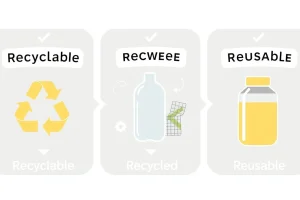
Recycling, reuse, and waste prevention are three distinct strategies for managing materials and reducing the environmental impact of consumption. They are often organized in a hierarchy of preferred actions, with waste prevention (also called source reduction) at the top, followed by reuse, and then recycling. This hierarchy reflects the principle that the most effective way to manage waste is to not create it in the first place, followed by extending the useful life of products, and finally, recovering materials from discarded items.
Waste prevention involves measures taken before a substance, material, or product becomes waste. This includes reducing the quantity of materials used in design and manufacture, increasing product durability, and minimizing the toxicity of materials. Reuse refers to any operation by which products or components are used again for the same purpose for which they were conceived, or for a different purpose, without undergoing a manufacturing process. Recycling, on the other hand, is the process of collecting and processing materials that would otherwise be thrown away as trash and turning them into new products. While all three approaches contribute to resource conservation, they differ significantly in their environmental and economic impacts.
Overview
The concepts of waste prevention, reuse, and recycling are often summarized by the phrase “reduce, reuse, recycle,” which forms the backbone of modern waste management strategies. This hierarchy is not merely a slogan but a guiding principle in environmental policy and sustainable materials management. Waste prevention, or reduction, is the most preferred option because it eliminates the need for resource extraction, manufacturing, and disposal altogether. Reuse sits in the middle, offering a way to extend the life of products without the energy-intensive processes required for recycling. Recycling, while valuable, is considered the last resort among these three because it still requires energy, water, and other resources to convert waste into new materials.
The hierarchy is embedded in many national and international policies, such as the European Union’s Waste Framework Directive, which mandates that member states prioritize waste prevention, followed by preparing for reuse, recycling, and other recovery methods, with disposal as the least desirable option. This framework acknowledges that while recycling is better than landfilling or incineration, it is not as beneficial as preventing waste or reusing items. The distinction is crucial for designing effective environmental policies and for guiding consumer behavior toward more sustainable practices.
How It Works
Each strategy operates through different mechanisms and at different stages of a product’s lifecycle. Waste prevention begins at the design and manufacturing stage, where decisions about material selection, product durability, and packaging can significantly reduce waste. For example, designing products with fewer materials, using concentrated formulas that require less packaging, or creating modular products that can be easily repaired all prevent waste. At the consumer level, waste prevention involves mindful purchasing, such as buying only what is needed, choosing products with minimal packaging, and avoiding single-use items.
Reuse involves using a product again for its original purpose or for a different purpose without significant processing. This can include direct reuse, such as refilling a water bottle, or indirect reuse through repair, refurbishment, or resale. Systems like deposit-return schemes for beverage containers, second-hand markets, and donation centers facilitate reuse. For example, a glass bottle can be washed and refilled many times before it becomes waste, significantly reducing the need for new glass production.
Recycling is a multi-step process that begins with collection and sorting of discarded materials. Recyclable materials such as paper, glass, metals, plastics, and electronics are separated, cleaned, and processed into raw materials that can be used to manufacture new products. The recycling process varies by material: metals are melted and reformed, paper is pulped and reprocessed, and plastics are shredded, melted, and pelletized. Recycling requires infrastructure for collection, sorting, and reprocessing, and it often involves energy and water consumption, as well as potential contamination issues that can reduce the quality of the recycled material.
Importance and Impact
The environmental benefits of waste prevention, reuse, and recycling are substantial but differ in magnitude. Waste prevention offers the greatest benefits because it avoids the environmental impacts associated with raw material extraction, manufacturing, transportation, and disposal. By reducing the demand for new products, it conserves natural resources, reduces energy consumption, and minimizes pollution, including greenhouse gas emissions. For example, preventing the production of one ton of paper saves approximately 17 trees, 7,000 gallons of water, and 4,000 kilowatt-hours of electricity compared to producing new paper.
Reuse also provides significant environmental advantages by extending the lifespan of products and reducing the need for new manufacturing. Reusing a product often requires minimal processing, such as cleaning or minor repairs, which consumes far less energy than recycling or manufacturing from virgin materials. For instance, reusing a glass bottle saves about 50% of the energy required to recycle it and even more compared to producing a new bottle from raw materials. Recycling, while less impactful than prevention or reuse, still offers important benefits. It reduces the demand for virgin raw materials, decreases energy consumption in manufacturing, and diverts waste from landfills and incinerators. Recycling aluminum, for example, saves up to 95% of the energy needed to produce aluminum from bauxite ore, and recycling steel saves about 60% of the energy. However, recycling processes can be energy-intensive and may generate pollution if not properly managed.
Benefits, Limitations and Trade-offs
Each waste management strategy has its own set of benefits and limitations. Waste prevention is the most effective approach but can be challenging to implement because it requires changes in production processes, consumer behavior, and economic systems. It may involve upfront costs for research and development of more durable or efficient products, and it can conflict with business models that rely on high turnover of goods. However, the long-term savings in materials, energy, and waste management costs often outweigh these initial investments.
Reuse offers a practical middle ground, but it faces logistical challenges such as collection, cleaning, and redistribution of used items. For some products, reuse may not be feasible due to hygiene concerns, safety standards, or wear and tear. Systems for reuse, like deposit-return schemes, require infrastructure and consumer participation. Additionally, reusing products multiple times can eventually lead to material degradation, at which point recycling or disposal becomes necessary.
Recycling is widely practiced and supported by established infrastructure in many regions, but it has limitations. Not all materials are recyclable, and the quality of recycled materials can degrade over time, a process known as downcycling. Contamination from non-recyclable items or food residue can render entire batches of recyclables unusable. Recycling also requires energy and water, and the transportation of recyclables generates emissions. Furthermore, the economic viability of recycling depends on market demand for recycled materials, which can fluctuate. Despite these challenges, recycling remains a critical component of waste management, especially for materials that cannot be prevented or reused.
What Individuals Can Do
Individuals can apply the waste hierarchy in daily life by prioritizing actions that prevent waste first. This includes making conscious purchasing decisions: buying only what is needed, choosing products with minimal or recyclable packaging, and opting for durable, repairable items over disposable ones. Avoiding single-use items such as plastic bags, straws, and water bottles is a direct form of waste prevention. Composting organic waste at home is another way to prevent waste from entering landfills.
For reuse, individuals can embrace practices like using refillable containers, repairing broken items instead of discarding them, donating or selling used goods, and buying second-hand products. Participating in sharing economies, such as tool libraries or clothing swaps, also promotes reuse. When reuse is not possible, proper recycling is essential. This involves learning local recycling guidelines, rinsing containers to reduce contamination, and separating materials correctly. Supporting products made from recycled content helps create demand for recycled materials, closing the loop. By understanding the differences between these strategies, individuals can make more informed choices that collectively reduce environmental impact.
FAQ
What is the difference between recycling, reuse, and waste prevention?
Waste prevention avoids creating waste in the first place, reuse extends the life of a product by using it again without significant processing, and recycling converts waste materials into new products through industrial processes.
How does the waste hierarchy work?
The waste hierarchy ranks waste management strategies from most to least environmentally preferred: prevention, reuse, recycling, recovery (e.g., energy from waste), and disposal. It guides policy and individual action to prioritize the most effective methods.
Why is waste prevention more important than recycling?
Waste prevention eliminates the need for resource extraction, manufacturing, and disposal entirely, conserving more energy and materials and avoiding pollution that recycling processes still generate. It addresses the root cause of waste rather than managing its symptoms.
References
- European Commission. (2008). Directive 2008/98/EC on waste (Waste Framework Directive). Official Journal of the European Union.
- United States Environmental Protection Agency. (n.d.). Sustainable Materials Management: Non-Hazardous Materials and Waste Management Hierarchy. EPA.
- McDonough, W., & Braungart, M. (2002). Cradle to Cradle: Remaking the Way We Make Things. North Point Press.