The Chemical Cocktail Effect Explained
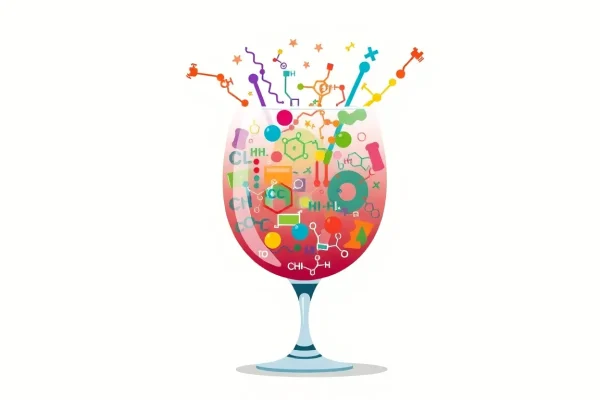
The chemical cocktail effect describes how mixtures of chemicals can produce combined health or environmental impacts that differ from the effects of individual substances.…
Evidence library
Research, explainers and solution analysis for understanding change across a living planet.
348 resourcesThe chemical cocktail effect describes how mixtures of chemicals can produce combined health or environmental impacts that differ from the effects of individual substances.…
Wildlife corridors are natural or artificial pathways that connect fragmented habitats, allowing animals to move, migrate, and maintain genetic diversity. They are essential for…
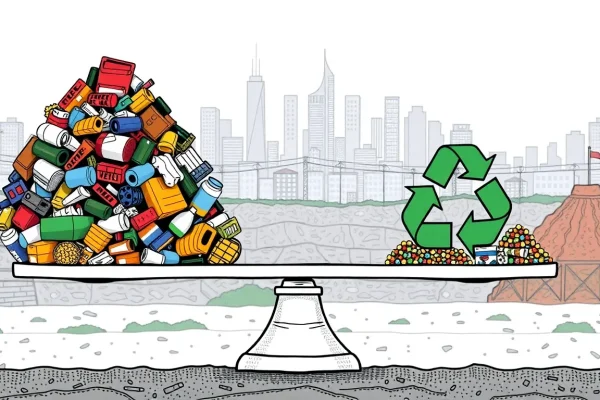
Recycling alone cannot fully meet the growing global demand for materials due to fundamental physical and economic limitations. While it reduces the need for…
Common but Differentiated Responsibilities (CBDR) is a principle of international environmental law that recognizes all nations share a duty to protect the environment, but…
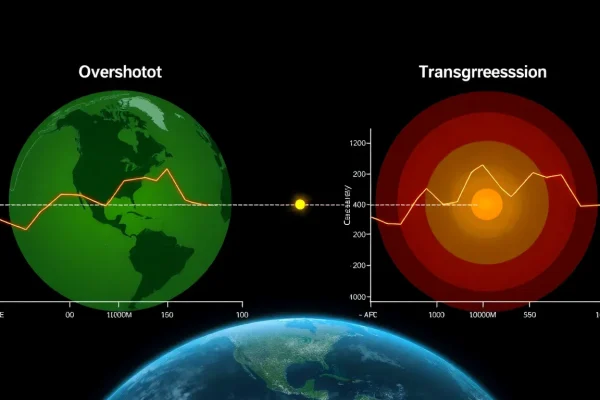
Overshoot refers to a temporary exceedance of a planetary boundary with the potential to return to the safe operating space, whereas transgression denotes a…
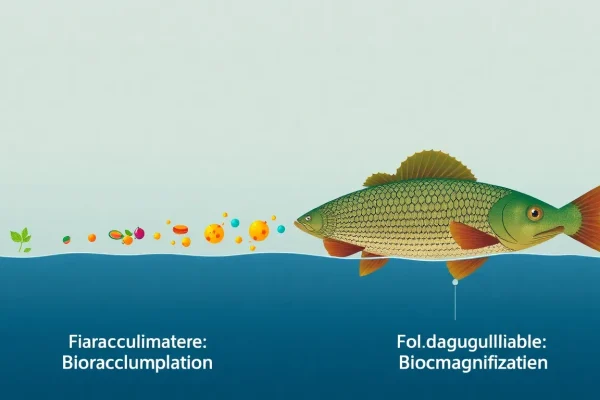
Bioaccumulation is the gradual buildup of substances, such as toxic chemicals, in an individual organism over time. Biomagnification is the increasing concentration of those…
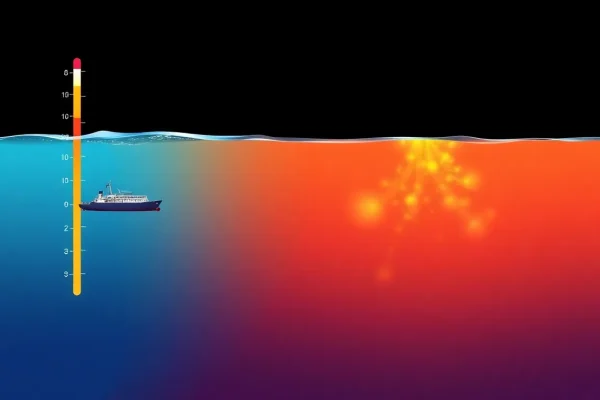
Ocean heat content (OHC) measures the total thermal energy stored in the ocean, while sea-surface temperature (SST) is the temperature of the ocean's surface…
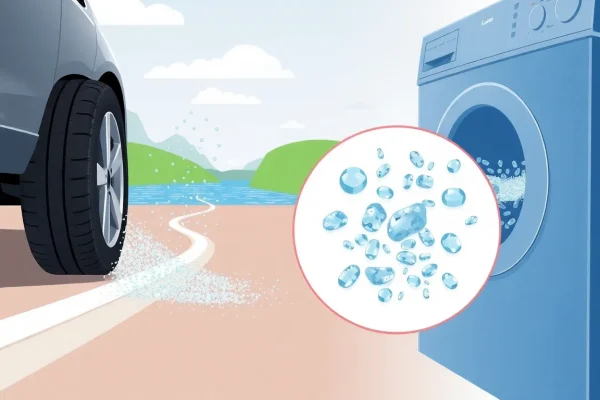
Primary microplastics are tiny plastic particles intentionally manufactured or directly released from products. Tires and synthetic textiles are major sources, shedding particles during use…
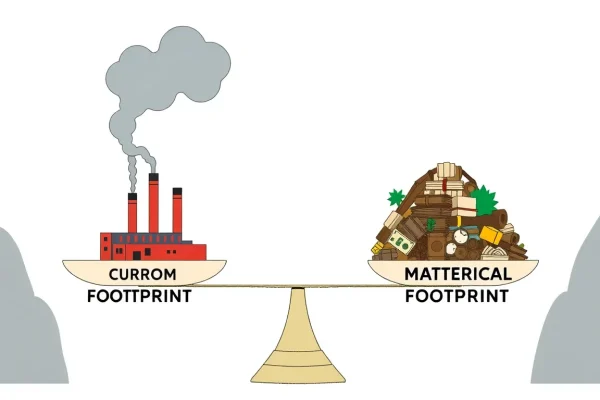
Material footprint measures the total amount of raw materials extracted to meet a country's or individual's consumption, including materials used in imported goods. Carbon…
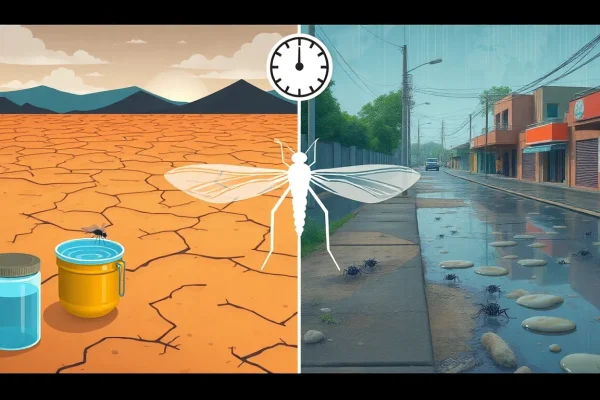
A systematic review finds that the relationship between rainfall variability and mosquito-borne disease outbreaks is complex, nonlinear, and highly dependent on local ecology, mosquito…