In brief
At a glance
Quick Facts
- Accessible freshwater
- Only about 0.5% of Earth's water is accessible freshwater for human use.
- Agricultural withdrawals
- Agriculture accounts for approximately 70% of global freshwater withdrawals, but consumption is only part of the picture.
- Climate-driven changes
- Climate change intensifies the water cycle, causing more severe droughts and floods, altering freshwater availability beyond human control.
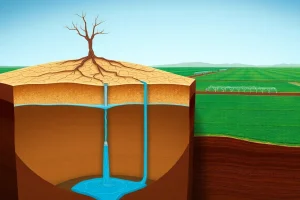
- Groundwater depletion
- Many major aquifers are being depleted faster than they recharge, threatening long-term water supplies for billions.
- Water quality degradation
- Pollution from nutrients, chemicals, and sediments reduces the amount of usable freshwater, even if total water volume remains unchanged.
Key Takeaways
- Freshwater change is driven by climate change, land use, pollution, and infrastructure, not just by how much water humans consume.
- Alterations in the water cycle—such as shifting precipitation patterns and increased evaporation—can reduce water availability even if consumption remains constant.
- Degraded water quality from pollutants effectively reduces the amount of usable freshwater, impacting ecosystems and human health.
- Addressing freshwater challenges requires integrated management that considers the entire water cycle, including green water, groundwater, and virtual water flows.
What Is Why Freshwater Change Is More Than Water Consumption?
Why freshwater change is more than water consumption is a concept that emphasizes the multiple, interconnected factors altering Earth’s freshwater systems beyond direct human withdrawals. While water consumption—the volume of water taken from sources and not returned—is a critical pressure, freshwater change also encompasses shifts in precipitation, evaporation, soil moisture, groundwater recharge, water quality, and the timing of flows. These changes are driven by climate change, land use modifications, pollution, and water infrastructure, and they can profoundly affect water availability even in regions where consumption is low.
This perspective is essential because focusing solely on reducing water use may not address the root causes of water insecurity. For example, a watershed may experience declining streamflow due to deforestation or changing rainfall patterns, even if local water withdrawals have not increased. Similarly, pollution from agricultural runoff can render water unusable, effectively reducing supply. Understanding freshwater change as a multidimensional phenomenon helps policymakers, businesses, and communities develop more effective strategies for sustainable water management.
Overview
Freshwater is a finite and unevenly distributed resource, with only about 2.5% of Earth’s water being fresh, and most of that locked in glaciers, ice caps, or deep groundwater. The accessible portion—found in rivers, lakes, and shallow aquifers—is less than 0.5% of the global total. This small fraction sustains human life, agriculture, industry, and ecosystems. However, the availability and quality of this freshwater are not static; they are subject to continuous change driven by natural variability and human activities.
Historically, water management has focused on supply-side solutions and regulating withdrawals. Yet, the recognition that freshwater change is more than consumption has grown as scientists have documented widespread alterations to the water cycle. Climate change is intensifying the hydrological cycle, leading to more frequent and severe droughts and floods. Land use changes, such as deforestation and urbanization, alter runoff patterns and reduce groundwater recharge. Pollution from nutrients, chemicals, and sediments degrades water quality. These factors interact, often amplifying each other, and their impacts can be felt far beyond the point of water extraction.
How It Works
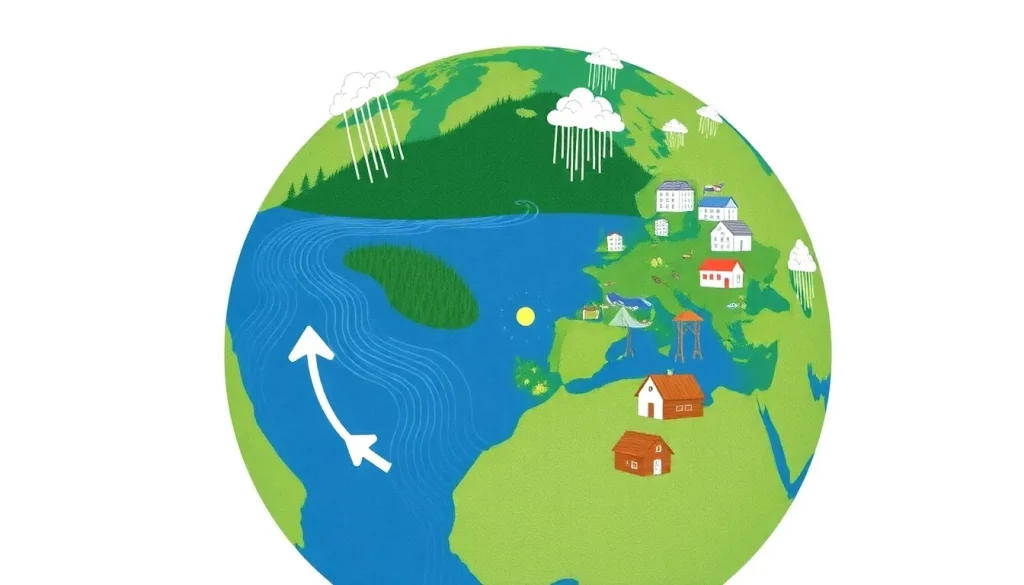
Freshwater systems are governed by the hydrological cycle, which describes the continuous movement of water between the atmosphere, land, and oceans. Solar energy drives evaporation from water bodies and transpiration from plants, collectively known as evapotranspiration. This water vapor condenses into clouds and falls as precipitation. On land, water either infiltrates into the ground to recharge aquifers, runs off into streams and rivers, or is stored in soil, lakes, and wetlands. Human activities intervene at multiple points in this cycle.
Water consumption is just one intervention: it removes water from a source for irrigation, industrial processes, or domestic use, with a portion returning as wastewater. However, other interventions can alter the cycle without directly consuming water. For instance, deforestation reduces transpiration and can decrease regional rainfall. Urbanization creates impervious surfaces that increase runoff and reduce groundwater recharge. Dams and reservoirs change the timing and volume of river flows. Climate change, driven by greenhouse gas emissions, increases atmospheric temperatures, which accelerates evaporation, alters precipitation patterns, and melts glaciers that feed rivers. These changes can lead to water scarcity even in areas where consumption has not increased, because the natural supply is diminished or its timing no longer matches demand.
Main Causes or Drivers
The primary drivers of freshwater change beyond consumption include:
- Climate change: Rising global temperatures intensify the water cycle, causing more extreme weather events. Some regions experience more intense rainfall and flooding, while others face prolonged droughts. Glacial retreat reduces long-term river flows, and sea-level rise can contaminate coastal freshwater aquifers with saltwater.
- Land use and land cover change: Deforestation, agriculture, and urbanization alter how water moves across landscapes. Forests act as sponges, regulating flow and maintaining humidity; their removal can lead to increased runoff, soil erosion, and reduced rainfall downwind. Urban areas with impervious surfaces prevent groundwater recharge and increase flood risks.
- Water infrastructure: Dams, levees, and irrigation canals modify natural flow regimes. While they provide benefits like water storage and flood control, they can also fragment rivers, disrupt sediment transport, and alter downstream ecosystems. Large-scale water transfers between basins can deplete source regions.
- Pollution: Agricultural fertilizers, industrial discharges, and untreated sewage introduce nutrients, chemicals, and pathogens into water bodies. Eutrophication from excess nutrients leads to algal blooms and dead zones, making water unusable for drinking or recreation. Emerging contaminants like pharmaceuticals and microplastics pose new challenges.
- Groundwater over-extraction: Pumping groundwater faster than it recharges lowers water tables, reduces baseflow to rivers, and can cause land subsidence. This depletion is often invisible but has long-term consequences for water availability.
Environmental and Human Impacts
The consequences of freshwater change extend across ecosystems and societies. Environmentally, altered flow regimes and pollution degrade aquatic habitats, leading to biodiversity loss. Freshwater species are declining faster than terrestrial or marine species. Wetlands, which provide critical services like water purification and flood control, are disappearing at an alarming rate. Changes in water temperature and chemistry can disrupt entire food webs.
For humans, freshwater change threatens water security, food production, and economic stability. Reduced water availability can lead to crop failures, higher food prices, and famine. Water scarcity can exacerbate conflicts and force migration. Poor water quality causes waterborne diseases, which remain a leading cause of death in many regions. Economic sectors that depend on water, such as agriculture, energy, and manufacturing, face increased risks. The impacts are often unevenly distributed, disproportionately affecting vulnerable populations with limited adaptive capacity.
Why It Matters
Understanding that freshwater change is more than water consumption is crucial for effective policy and action. If decision-makers focus only on reducing per-capita water use, they may overlook the larger forces reshaping water availability. For example, a city may implement strict water conservation measures but still face shortages if upstream deforestation reduces river flow or if climate change causes more erratic rainfall. Similarly, a country may have abundant water resources but suffer from water insecurity due to pollution or inadequate infrastructure.
Recognizing the full scope of freshwater change enables integrated water resources management (IWRM), which considers the entire watershed, all users, and the interconnectedness of water with land, energy, and ecosystems. It also highlights the need for cross-sectoral solutions, such as reforestation to enhance groundwater recharge, wetland restoration to improve water quality, and climate mitigation to slow the intensification of the water cycle. Ultimately, safeguarding freshwater for future generations requires addressing the root causes of change, not just managing demand.
Solutions
Addressing freshwater change requires a combination of strategies that go beyond water conservation. Key approaches include:
- Integrated water resources management (IWRM): Coordinating the management of water, land, and related resources across sectors and scales to maximize social and economic welfare without compromising ecosystem sustainability.
- Nature-based solutions: Protecting and restoring forests, wetlands, and floodplains to regulate water flow, improve quality, and recharge groundwater. These approaches often provide co-benefits like carbon sequestration and biodiversity conservation.
- Climate adaptation and mitigation: Reducing greenhouse gas emissions to limit future climate-driven water changes, while also adapting water infrastructure and management to cope with more extreme events. This includes building resilient water supply systems, improving drought preparedness, and implementing flood early warning systems.
- Pollution control: Strengthening regulations on industrial and agricultural discharges, improving wastewater treatment, and promoting sustainable farming practices to reduce nutrient runoff.
- Groundwater management: Monitoring and regulating groundwater extraction, promoting artificial recharge, and using conjunctive management of surface and groundwater.
- Water governance and policy: Establishing clear water rights, pricing water to reflect its true value, and fostering transboundary cooperation for shared water resources.
These solutions require collaboration among governments, businesses, communities, and international organizations. They also depend on robust data and monitoring to track changes and evaluate effectiveness.
FAQ
What is freshwater change?
Freshwater change refers to alterations in the quantity, quality, timing, and distribution of freshwater resources, driven by natural variability and human activities beyond just water consumption.
How does freshwater change go beyond water consumption?
While water consumption is a direct use, freshwater change also includes impacts from climate change (altered rainfall), land use (deforestation), pollution, and infrastructure that modify the entire water cycle.
Why does freshwater change matter?
It matters because it affects water security, food production, ecosystem health, and human well-being. Ignoring these broader changes can lead to unexpected water crises even in regions with seemingly adequate water supplies.
References
- IPCC Sixth Assessment Report, Working Group II: Impacts, Adaptation and Vulnerability (2022)
- UN World Water Development Report (annual)
- FAO AQUASTAT - Global Information System on Water and Agriculture