In brief
At a glance
Quick Facts
- Definition
- The process by which ecological communities become more similar over time.
- Key Drivers
- Invasive species, habitat loss, urbanization, and climate change.
- Scale
- Occurs at local, regional, and global levels.
- First Coined
- Term popularized in the late 1990s by ecologists like Michael L. McKinney.
- Opposite Process
- Biotic differentiation, where communities become more distinct.
- Impact on Biodiversity
- Reduces beta diversity (variation between habitats) while sometimes increasing local alpha diversity.
- Example
- Global spread of common urban birds like pigeons and starlings replacing native bird species.
Key Takeaways
- Biotic homogenization is the increasing similarity of species assemblages across different locations, driven primarily by human activities.
- It often results from the introduction of widespread, generalist species and the decline of specialized, endemic species.
- This process reduces regional biodiversity (beta diversity) and can make ecosystems more vulnerable to disturbances.
- Understanding biotic homogenization is crucial for conservation efforts aimed at preserving unique ecological communities.
What Is Biotic Homogenization?
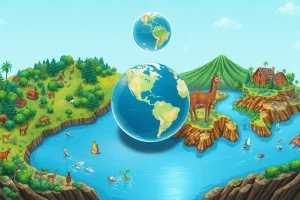
Biotic homogenization is the process by which the biological communities of different regions become more similar to each other over time. This phenomenon is characterized by an increase in the number of species shared among locations (taxonomic homogenization) and a decrease in the distinctiveness of ecological functions (functional homogenization) or genetic lineages (genetic homogenization). In essence, it is the gradual replacement of unique native species with a smaller set of widespread, often non-native, generalist species, leading to a more uniform global biota.
The concept emerged as ecologists observed that human activities were accelerating the loss of regional biodiversity. While local species richness (alpha diversity) might sometimes increase due to the arrival of new species, the overall variety between ecosystems (beta diversity) declines. This means that even if a local park has more bird species than before, those same species are now found in parks across the continent, erasing the unique character of each region’s wildlife. Biotic homogenization is considered a key component of the current biodiversity crisis, alongside species extinctions.
Overview
Biotic homogenization is a multifaceted process that encompasses taxonomic, functional, and genetic dimensions. Taxonomic homogenization refers to the increasing similarity of species lists between areas. Functional homogenization occurs when ecosystems become dominated by species with similar traits, such as fast-growing plants or generalist predators, reducing the variety of ecological roles. Genetic homogenization involves the mixing of previously isolated gene pools, often through human-mediated transport, which can erode local adaptations. Together, these dimensions reflect a simplification of the natural world, where the rich tapestry of life is replaced by a more monotonous pattern.
The process is not limited to any single ecosystem type; it affects terrestrial, freshwater, and marine environments. It is driven by a combination of factors, including the deliberate and accidental introduction of non-native species, habitat destruction and fragmentation, urbanization, and climate change. While some degree of species mixing has always occurred naturally, the current rate and scale are unprecedented, making biotic homogenization a defining feature of the Anthropocene epoch.
How It Works
Biotic homogenization operates through two primary mechanisms: the addition of non-native species and the loss of native species. When humans transport species across biogeographic barriers—such as through global trade, travel, or agriculture—they introduce organisms that can establish and spread in new areas. Many of these introduced species are “winners” that thrive in human-modified environments, such as rats, pigeons, and certain weeds. Simultaneously, native species that are specialized, endemic, or sensitive to disturbance decline or go extinct, often due to habitat loss, competition, or predation from the newcomers.
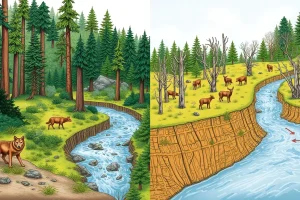
The net effect is a convergence of community composition. For example, if two distinct forests each lose their unique endemic plants and gain the same set of invasive shrubs, the forests become more similar. This process can be amplified by habitat fragmentation, which creates edge habitats that favor generalist species, and by climate change, which allows warm-adapted species to expand their ranges while cold-adapted species retreat. Over time, the unique evolutionary history of each region is diluted.
Main Causes or Drivers
Several interconnected human activities drive biotic homogenization. The most significant include:
- Introduction of non-native species: Intentional (e.g., ornamental plants, pets) and accidental (e.g., ballast water, stowaways) introductions spread species globally.
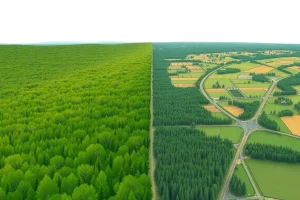
- Habitat destruction and fragmentation: Clearing land for agriculture, cities, and infrastructure reduces native habitats and creates uniform, disturbed conditions that favor a few adaptable species.
- Urbanization: Cities create similar environmental conditions worldwide, promoting the same suite of urban-adapted species (e.g., house sparrows, cockroaches) and excluding sensitive natives.
- Climate change: Shifting temperature and precipitation patterns allow generalist species to expand their ranges, while specialists with narrow tolerances are lost, leading to more similar communities across gradients.
- Agricultural intensification: Monocultures and the use of pesticides reduce native biodiversity and create vast areas dominated by a handful of crop species and associated pests.
These drivers often interact, magnifying the homogenization effect. For instance, habitat fragmentation combined with climate change can create corridors for invasive species while trapping native species in shrinking refuges.
Importance and Impact
Biotic homogenization has profound ecological and evolutionary consequences. Ecologically, it reduces the resilience of ecosystems, as simplified communities are less able to withstand disturbances like disease outbreaks or extreme weather. The loss of specialized species—such as pollinators, seed dispersers, or nutrient cyclers—can disrupt essential ecosystem functions. Evolutionarily, the blending of distinct gene pools can lead to a loss of local adaptations and unique genetic lineages, diminishing the raw material for future evolution.
For humans, biotic homogenization can erode the natural heritage and cultural identity tied to local flora and fauna. It also threatens ecosystem services, such as water purification, pest control, and pollination, which rely on diverse, well-functioning ecosystems. In agriculture, the global spread of a few crop varieties and livestock breeds has increased vulnerability to pests and diseases, mirroring the ecological risks. Ultimately, a homogenized biosphere is less capable of supporting human well-being.
Examples
Biotic homogenization is evident across many ecosystems. In urban areas worldwide, the same bird species—such as rock pigeons, house sparrows, and European starlings—dominate, while native birds decline. Freshwater systems have seen the widespread introduction of sport fish like rainbow trout and bass, leading to similar fish communities in lakes and rivers across continents. On islands, introduced rats, cats, and goats have devastated unique endemic species, making island biotas increasingly alike. In plant communities, global trade has spread a small number of weedy species, such as dandelions and clover, to every continent, often at the expense of native flora.
Solutions
Addressing biotic homogenization requires a combination of prevention, management, and restoration. Key strategies include:
- Preventing new introductions: Strengthening biosecurity measures at borders, regulating the trade of potentially invasive species, and public education to reduce accidental transport.
- Managing established invaders: Early detection and rapid response to new invasions, along with control or eradication of existing invasive populations where feasible.
- Habitat restoration: Rehabilitating degraded ecosystems with native species to enhance beta diversity and provide refuges for specialists.
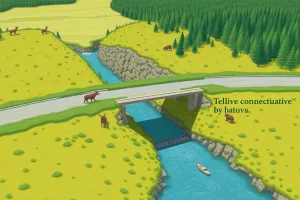
- Conservation planning: Prioritizing the protection of unique, endemic-rich areas and maintaining connectivity between habitats to allow natural species movements.
- Climate change mitigation: Reducing greenhouse gas emissions to slow the range shifts that favor generalist species.
- Policy and international cooperation: Implementing agreements like the Convention on Biological Diversity to coordinate efforts across borders.
While complete reversal of homogenization is often impossible, these actions can slow the process and preserve remaining biological distinctiveness.
FAQ
What is biotic homogenization?
Biotic homogenization is the process by which the species composition of different ecological communities becomes more similar over time, often due to human activities that spread a few adaptable species and cause the loss of unique native species.
How does biotic homogenization occur?
It occurs through the introduction of non-native species and the decline of native species. Human actions like global trade, habitat destruction, and urbanization create conditions that favor widespread generalists while eliminating specialists, leading to more uniform communities.
Why does biotic homogenization matter?
It matters because it reduces biodiversity at regional and global scales, weakens ecosystem resilience, and can disrupt essential services like pollination and water purification. It also erodes the unique natural heritage of different regions.
References
- McKinney, M.L. & Lockwood, J.L. (1999). Biotic homogenization: a few winners replacing many losers in the next mass extinction. Trends in Ecology & Evolution, 14(11), 450-453.
- Olden, J.D., Poff, N.L., Douglas, M.R., Douglas, M.E. & Fausch, K.D. (2004). Ecological and evolutionary consequences of biotic homogenization. Trends in Ecology & Evolution, 19(1), 18-24.
- Van Dyke, F. (2008). Conservation Biology: Foundations, Concepts, Applications. Springer.