Open Environmental Data: Benefits, Gaps and Limitations
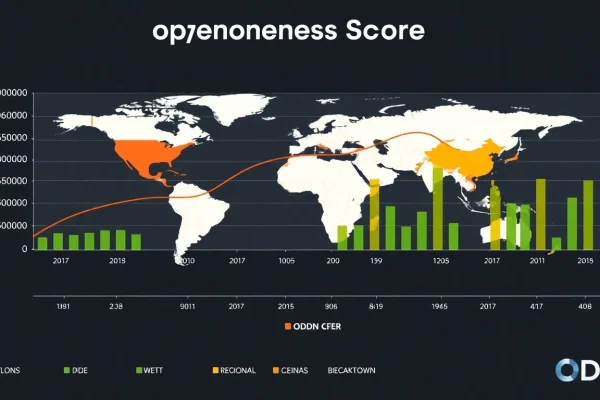
The global average openness score for environmental data is 38 out of 100, according to the Open Data Inventory (ODIN) 2022/23, indicating significant room…
Topic archive
Central hub for data resources, analytical tools, and educational materials.
The global average openness score for environmental data is 38 out of 100, according to the Open Data Inventory (ODIN) 2022/23, indicating significant room…
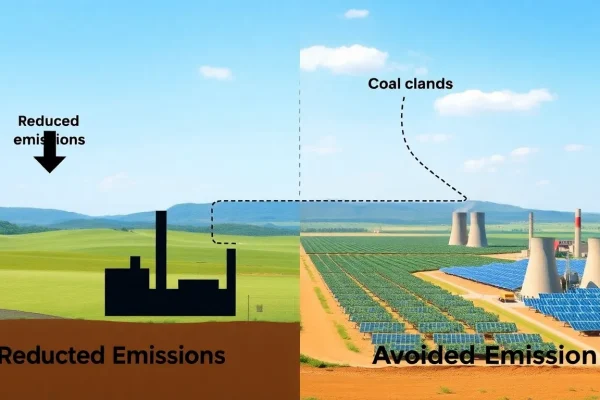
Reduced emissions refer to the direct lowering of greenhouse gas output from a specific source, such as a factory installing efficiency upgrades. Avoided emissions,…
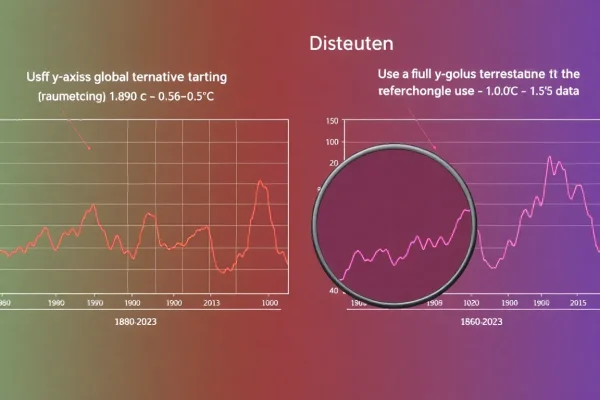
Global average temperature anomaly in 2023 was 1.17°C above the 1951-1980 baseline, according to NASA GISS. Truncating the y-axis on temperature charts can exaggerate…
A 2022 systematic review and meta-analysis found that higher urban heat island intensity is associated with a significant increase in heat-related mortality, with a…
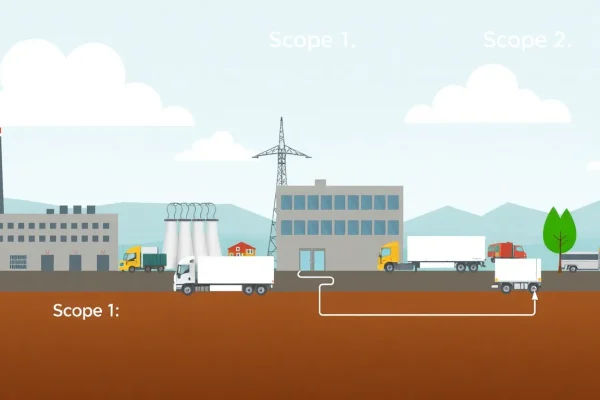
Scope 1, Scope 2, and Scope 3 emissions are categories defined by the Greenhouse Gas Protocol to classify a company's greenhouse gas emissions. Scope…
A comprehensive review of scientific literature reveals that climate change is likely to increase the burden of foodborne diseases through higher temperatures, extreme weather…
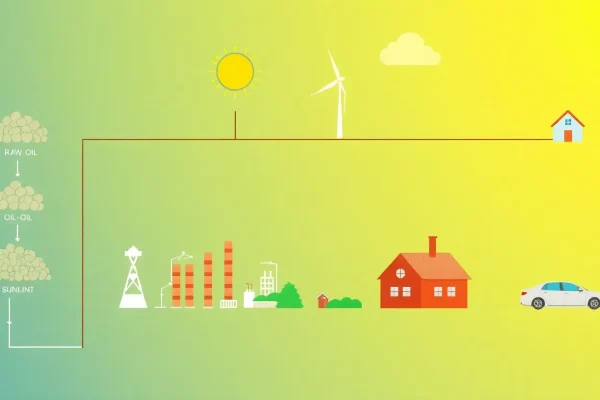
Primary energy is the energy contained in natural resources before any conversion, such as coal, crude oil, or sunlight. Final energy is the energy…
A marine heatwave is a prolonged period of unusually warm ocean temperatures that can disrupt marine ecosystems, fuel extreme weather, and affect human communities.…
Environmental persistence is the ability of a substance to remain in the environment without significant degradation, often measured by its half-life. It matters because…
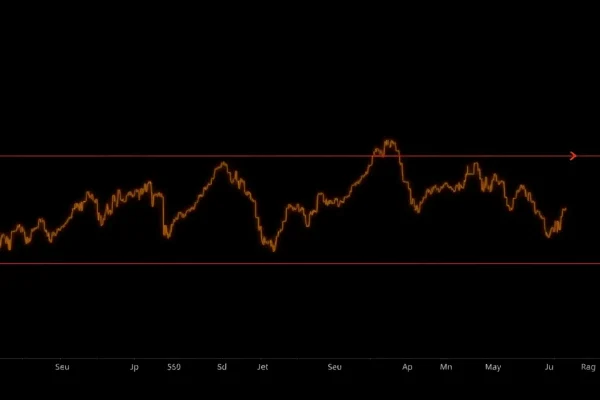
A moving average is a statistical calculation used to smooth out short-term fluctuations and highlight longer-term trends in data. As of March 7, 2025,…