What Is Precipitation Recycling?
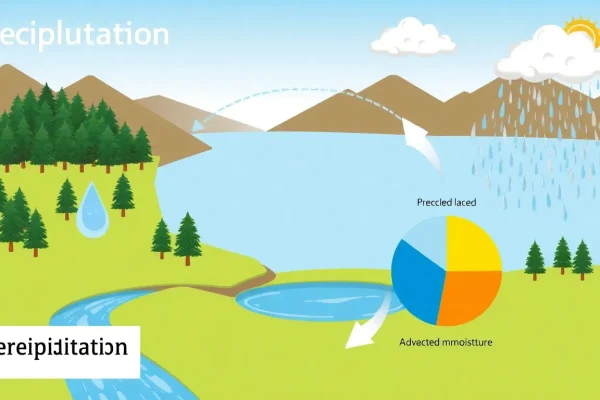
Precipitation recycling is the process by which water evaporated from a land area returns as precipitation to the same area. It is a key…
Topic archive
Focuses on water resources, quality, and efficient use in food production
Precipitation recycling is the process by which water evaporated from a land area returns as precipitation to the same area. It is a key…
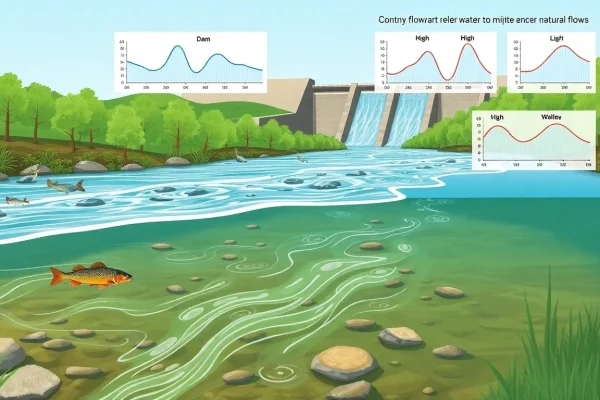
Environmental flow is the quantity, timing, and quality of freshwater flows necessary to sustain aquatic ecosystems and the human livelihoods that depend on them.…
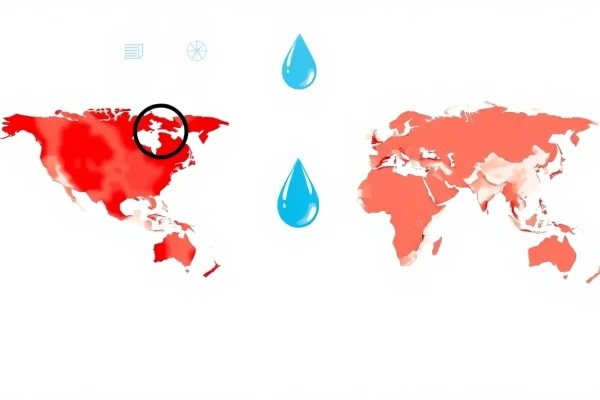
Global water-stress maps sometimes disagree because they rely on different definitions of water stress, use varying data sources and methodologies, and operate at different…
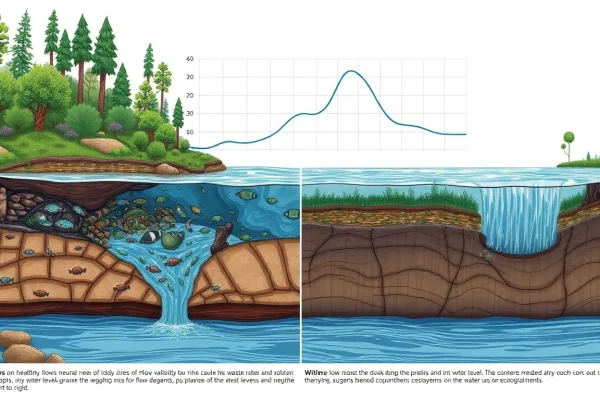
A healthy river requires a certain amount of water—often called the environmental flow—to sustain its ecological functions, from supporting fish and wildlife to maintaining…
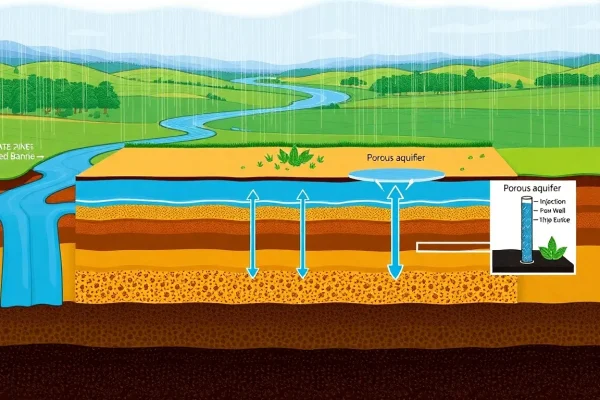
Aquifer recharge is the process by which water moves from the land surface or unsaturated zone into underground aquifers. It occurs naturally through precipitation…
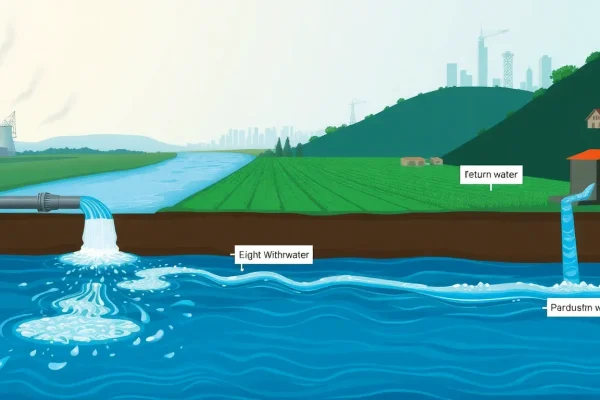
Water withdrawal refers to the total amount of water taken from a source, while water consumption is the portion of withdrawn water that is…
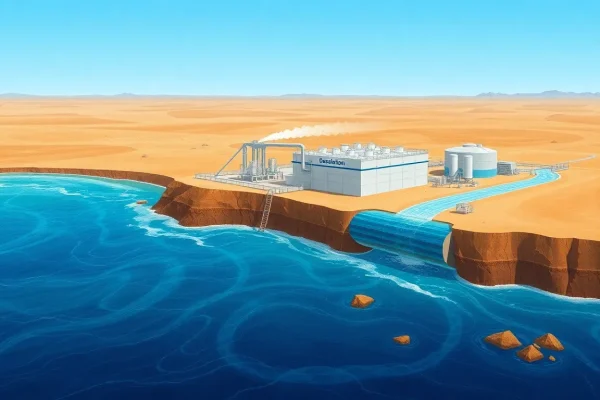
Desalination can augment freshwater supplies in coastal regions, but it is not a universal solution to water scarcity due to high costs, energy demands,…
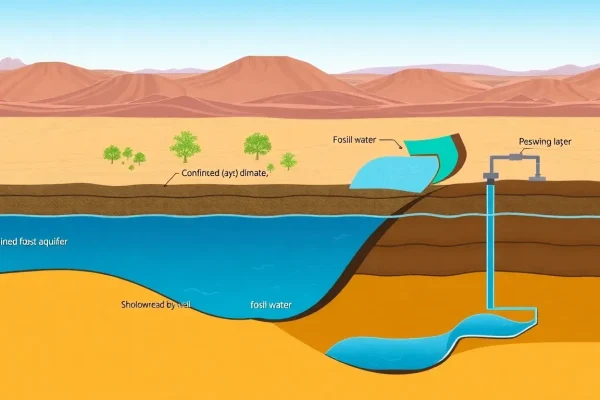
A fossil aquifer is an underground layer of water-bearing rock that contains water recharged thousands to millions of years ago under past climatic conditions,…
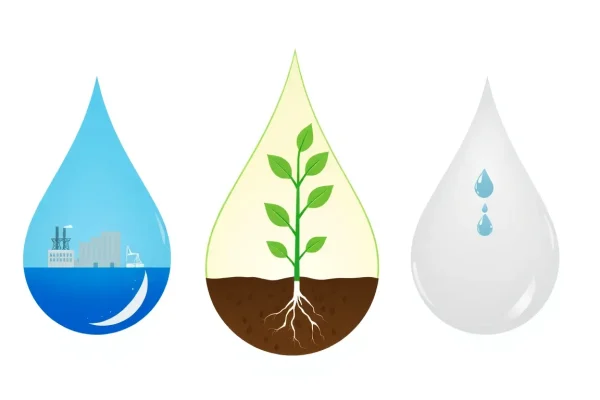
Blue water is fresh surface and groundwater consumed by human activities. Green water is precipitation stored in soil and used by plants. Grey water…
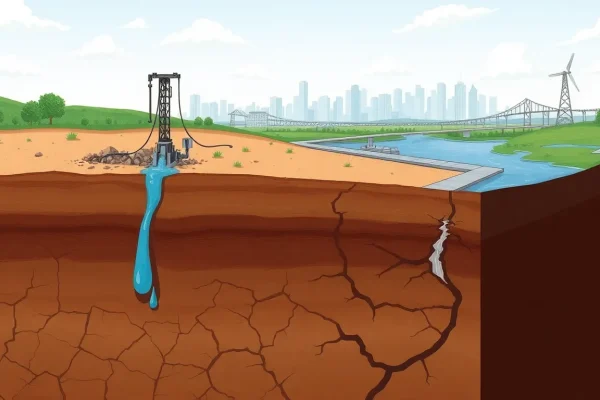
Land subsidence from groundwater extraction is the gradual sinking of the Earth's surface due to the compaction of aquifer systems when water is removed.…