Gross Zero vs Net Zero Emissions: Understanding the Difference
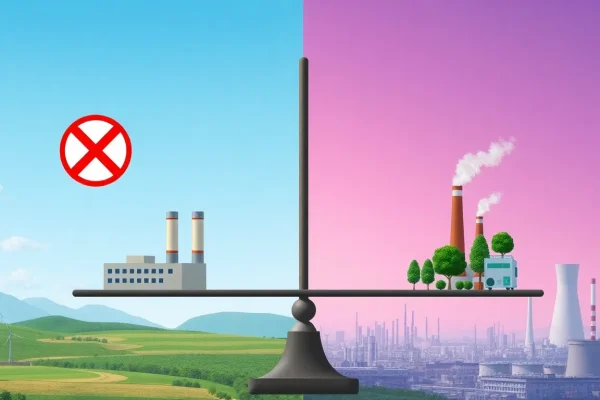
Gross zero emissions means eliminating all greenhouse gas emissions at their source, while net zero allows for some residual emissions to be balanced by…
Topic archive
Core framework outlining safe operating limits for Earth’s systems.
Gross zero emissions means eliminating all greenhouse gas emissions at their source, while net zero allows for some residual emissions to be balanced by…
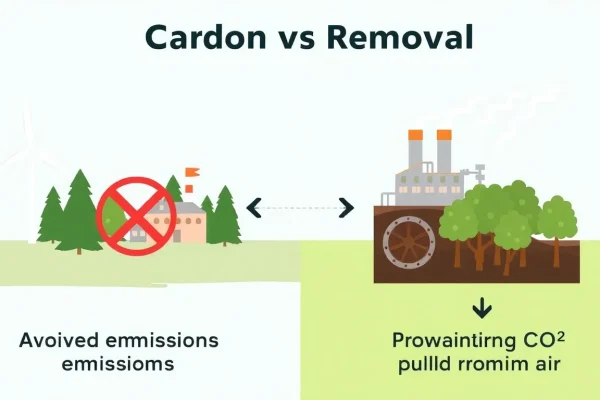
Avoidance credits finance projects that prevent emissions, while removal credits support projects that extract CO2 from the atmosphere. Both are used in carbon markets…
A novel entity is a new substance, a new form of an existing substance, or a modified life form introduced by human activities that…
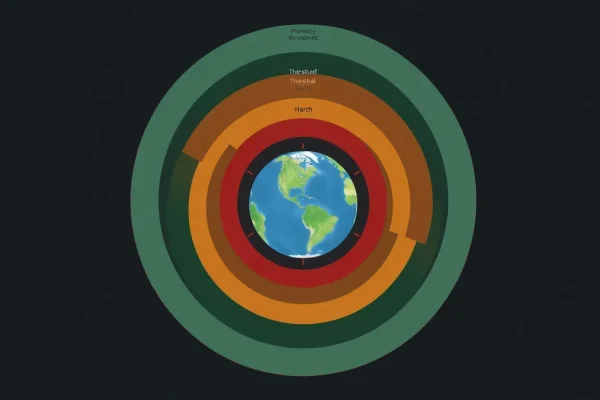
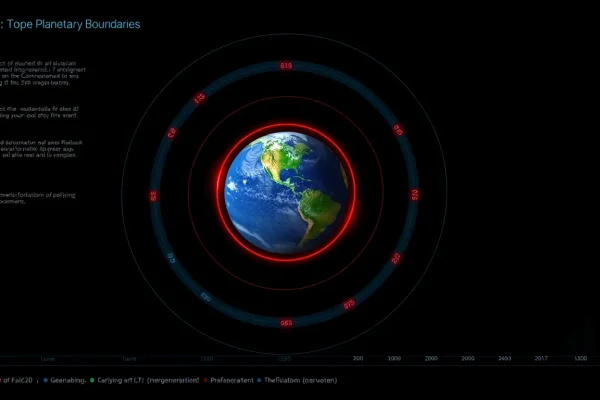
The planetary boundaries framework defines a safe operating space for humanity by identifying nine Earth-system processes and their thresholds. Unlike traditional environmental thresholds that…
The planetary boundaries framework defines a safe operating space for humanity, which is intrinsically linked to intergenerational justice—the obligation to leave future generations a…
Methane is a potent greenhouse gas that traps heat far more effectively than carbon dioxide but remains in the atmosphere for only about 12…
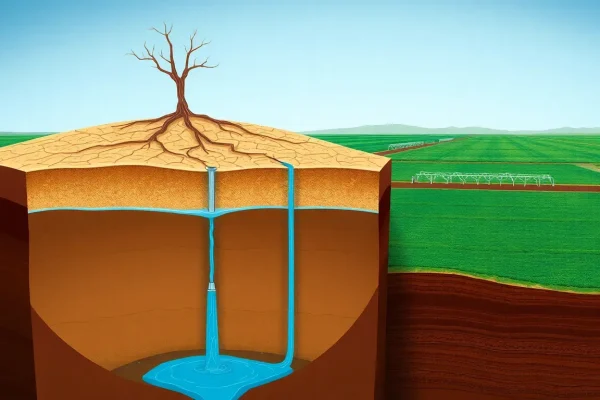
Groundwater depletion is the long-term decline in water stored in underground aquifers due to extraction exceeding natural recharge. Driven primarily by agricultural irrigation, urban…
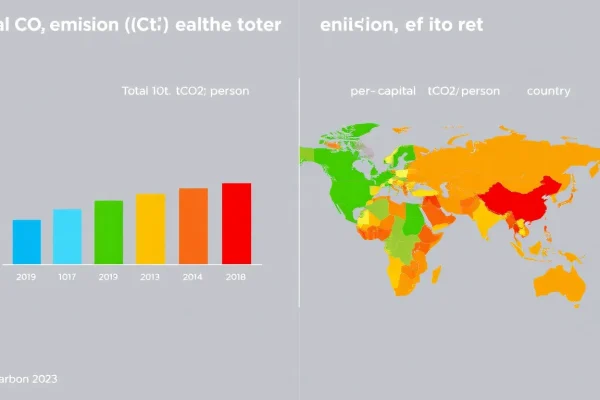
In 2022, global total CO2 emissions from fossil fuels and industry reached 36.6 GtCO2, while per-capita emissions stood at 4.7 tCO2 per person, according…
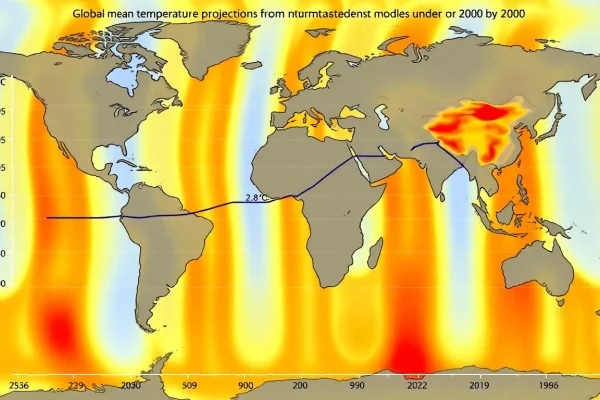
According to the UNEP Emissions Gap Report 2023, integrated assessment models (IAMs) project a median global warming of 2.8°C by 2100 under current policies,…
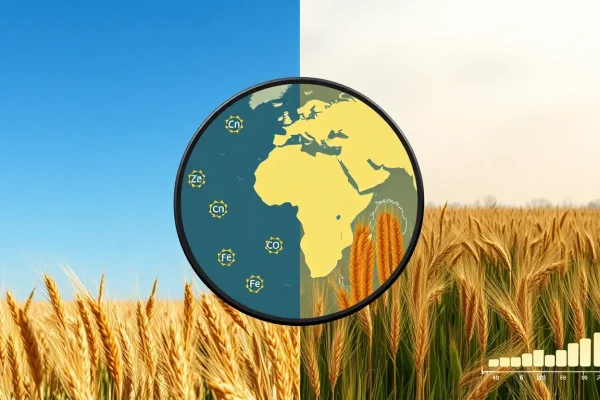
A 2014 study in Nature found that rising atmospheric CO₂ levels reduce the protein, iron, and zinc content of staple crops like wheat, rice,…