What Is Ecosystem Connectivity? A Comprehensive Guide
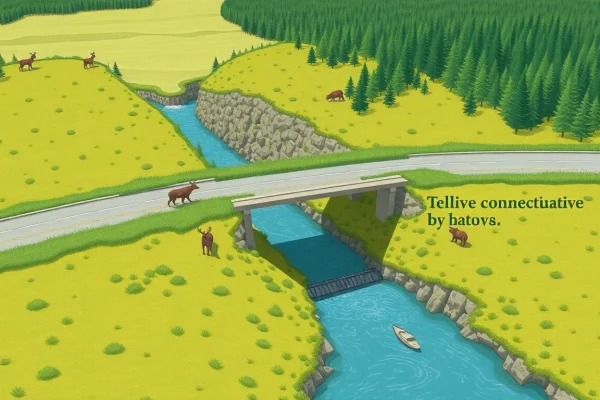
Ecosystem connectivity is the degree to which landscapes and seascapes allow organisms to move and ecological processes to flow freely. It is essential for…
Search results
Guides, research and analysis matching your search.
76 resultsEcosystem connectivity is the degree to which landscapes and seascapes allow organisms to move and ecological processes to flow freely. It is essential for…
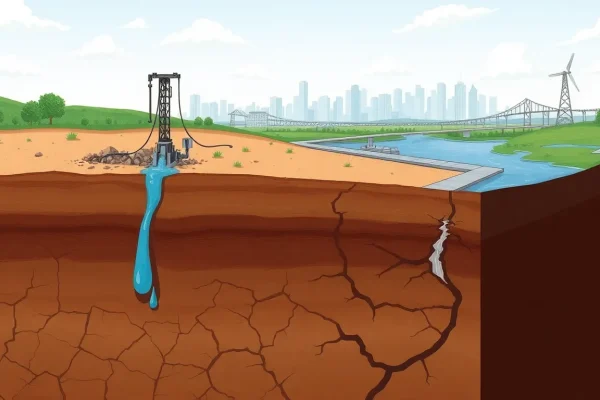
Land subsidence from groundwater extraction is the gradual sinking of the Earth's surface due to the compaction of aquifer systems when water is removed.…
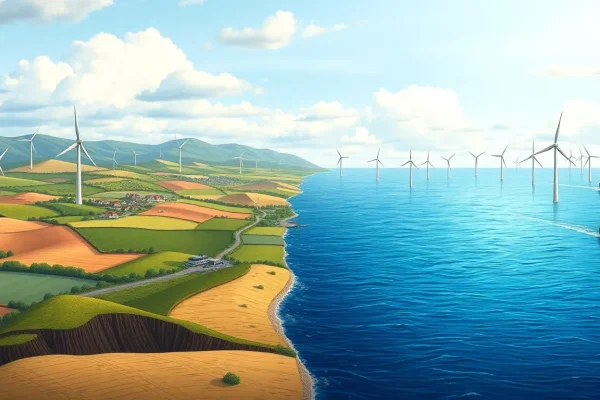
Onshore wind energy is generated by turbines located on land, while offshore wind energy comes from turbines placed in bodies of water. Both technologies…
Light pollution is the excessive or misdirected artificial light that disrupts natural darkness, affecting wildlife behavior, plant cycles, and entire ecosystems. It matters because…
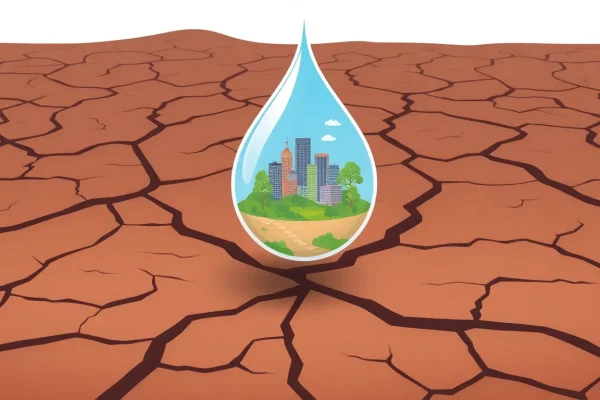
Water stress occurs when the demand for fresh water exceeds the available supply during a certain period or when poor quality restricts its use.…
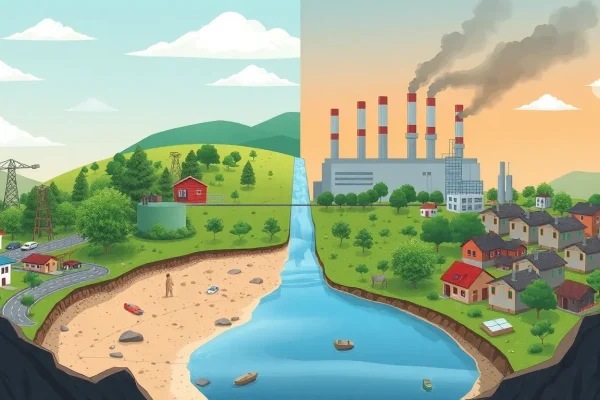
Environmental risks—such as pollution, toxic waste, and climate hazards—are not shared equally across society. Due to socioeconomic disparities, historical discrimination, and political marginalization, low-income…
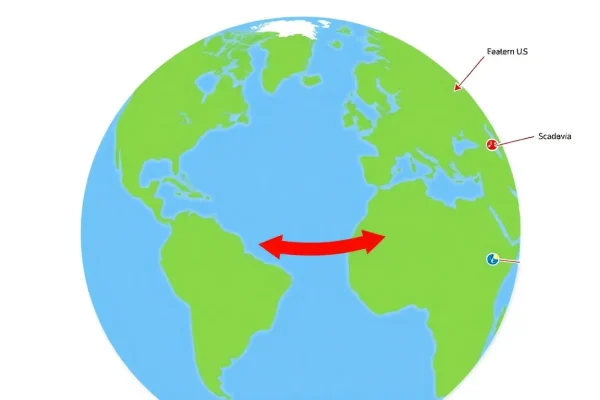
Sea-level rise is not uniform across the globe due to a combination of factors including gravitational effects from melting ice sheets, ocean currents and…
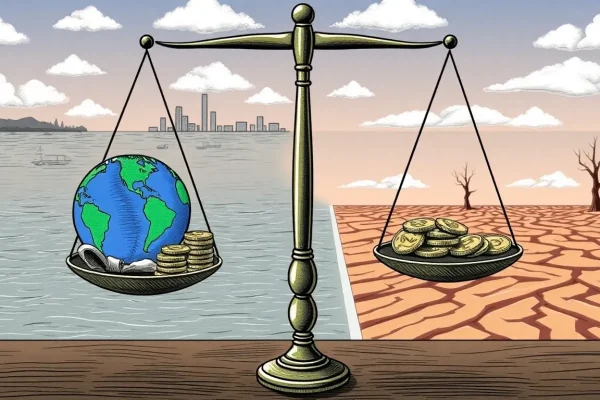
Climate reparations refer to the idea that wealthy, high-emitting nations should compensate poorer, low-emitting nations for the loss and damage caused by climate change,…
Transit-Oriented Development (TOD) is a planning approach that creates compact, mixed-use communities around transit stations to reduce car dependency and promote sustainable urban growth.…
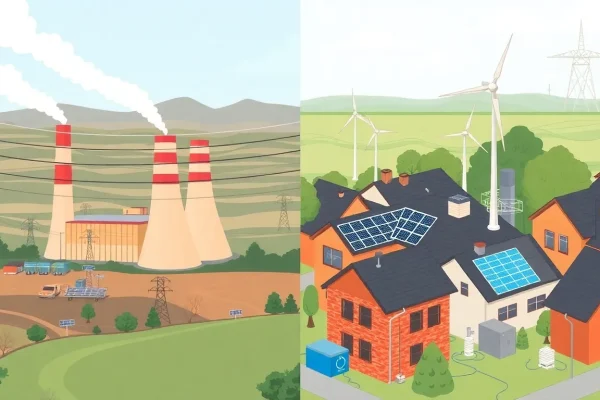
Distributed energy refers to power generation and storage systems located close to the point of use, such as rooftop solar panels or small wind…