The Anthropocene Explained: How Humans Became an Earth-System Force
Discover what the Anthropocene means, why humans became an Earth-system force, the Great Acceleration, scientific debate, and its implications for humanity.
Search results
Guides, research and analysis matching your search.
249 resultsDiscover what the Anthropocene means, why humans became an Earth-system force, the Great Acceleration, scientific debate, and its implications for humanity.
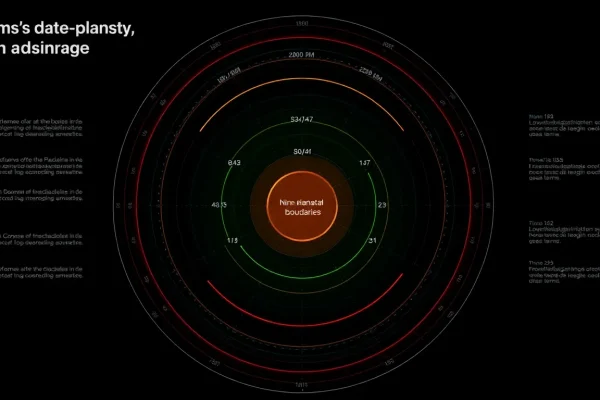
Explore the status, scientific thresholds and interactions of the nine planetary boundaries defining Earth’s safe operating space.
Human civilization depends on more than economic growth, technological innovation, and political stability. It also depends on a functioning planet. Reliable rainfall supports agriculture.…
Nature-based solutions (NBS) are actions that protect, restore, or manage ecosystems to address societal challenges such as climate change, water security, and disaster risk.…
The “safe operating space for humanity” is the central concept of the planetary boundaries framework, defining a Holocene-like state in which human societies can…
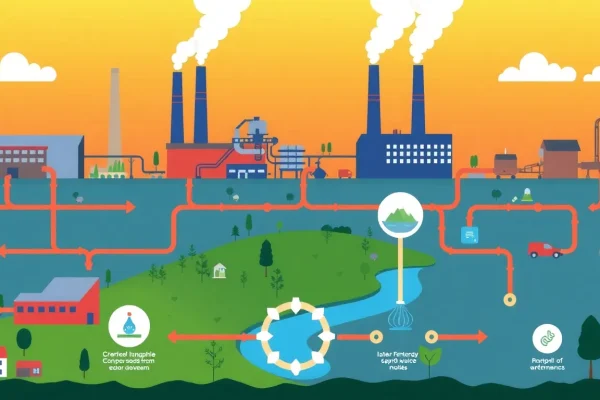
Industrial symbiosis is a collaborative approach where waste or by-products of one company become valuable inputs for another, mimicking natural ecosystems. It offers a…
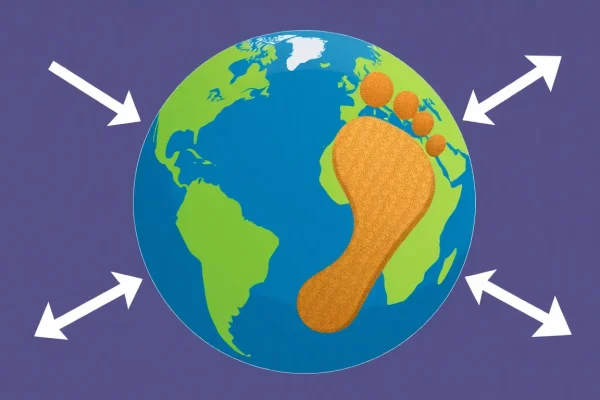
A material footprint measures the total amount of raw materials extracted globally to satisfy a country's final consumption, including materials used in producing imported…
Pollinators, including bees, butterflies, birds, and bats, are essential for the reproduction of many flowering plants, including a significant portion of global food crops.…
The Earth System is the complex, interconnected set of physical, chemical, and biological processes that link the planet's atmosphere, oceans, land, ice, and life…
Climate mitigation and climate adaptation are two complementary strategies for addressing climate change. Mitigation focuses on reducing greenhouse gas emissions to slow global warming,…