In brief
At a glance
Quick Facts
- Definition of Primary Energy
- Energy embodied in natural resources (coal, crude oil, sunlight, uranium) before any human-induced conversion.
- Definition of Final Energy
- Energy delivered to end-users (electricity at socket, gasoline at pump, natural gas in pipeline) ready for consumption.
- Typical Conversion Losses
- In thermal power plants, about 60-70% of primary energy is lost as heat; overall global energy system losses are around 30-40%.
- Measurement Units
- Both are measured in energy units like joules, tonnes of oil equivalent (toe), or kilowatt-hours.
- Role in Energy Statistics
- International agencies like IEA and EIA report both primary and final energy consumption to track energy flows.
- Renewable Energy Accounting
- For wind, solar, and hydro, primary energy is often equated to the electricity generated, using a conversion method that can distort comparisons.
Key Takeaways
- Primary energy is the total energy contained in natural resources, while final energy is the energy that reaches end-users after conversion and distribution losses.
- The difference between primary and final energy highlights the inefficiencies in energy transformation, particularly in thermal power generation where 50–70% of energy can be lost as heat.
- Understanding this distinction is essential for setting realistic energy efficiency targets and comparing energy consumption across different sources and sectors.
- Renewable energy accounting often uses a “primary energy equivalent” method that can overstate the share of renewables in total energy supply, complicating international comparisons.
What Is Primary Energy vs Final Energy?
Primary energy refers to the energy embodied in natural resources before any human-induced conversion or transformation, such as coal, crude oil, natural gas, uranium, sunlight, wind, and geothermal heat. Final energy, on the other hand, is the energy delivered to end-users in a form ready for consumption, like electricity at a wall socket, gasoline at a pump, or natural gas piped to a home. The distinction is fundamental in energy statistics and policy because it separates the raw energy extracted from nature from the usable energy that powers economies and daily life. Between primary and final energy lie conversion processes (e.g., power plants, refineries) and distribution networks, which inevitably involve losses—often substantial—that account for the gap between the two measures.
The concept of primary versus final energy is not merely academic; it underpins how nations track energy production, trade, and consumption. For instance, when a country reports its total energy supply, it typically refers to primary energy, which includes all domestically produced and imported energy minus exports and storage changes. Final energy consumption, however, reflects the energy actually used by industry, transport, households, and other sectors. The difference between these two aggregates is the energy lost during transformation and delivery. This distinction is critical for energy efficiency analysis, as improvements can occur either by reducing conversion losses or by lowering final demand. Moreover, the choice of accounting method for primary energy from non-combustible renewables (like wind and solar) can significantly affect international comparisons and policy narratives.
Overview
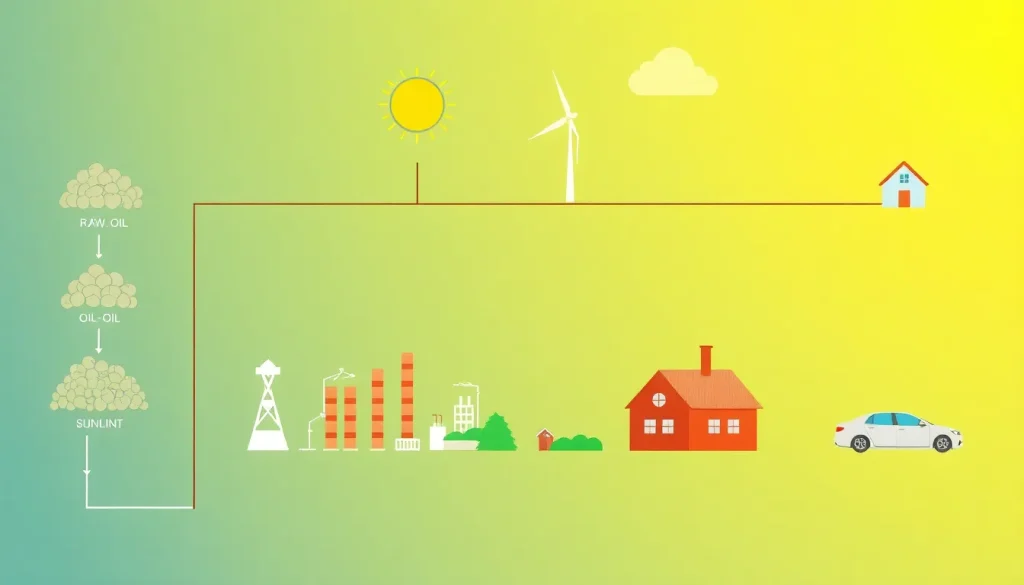
The energy system can be visualized as a chain: primary energy is extracted or harvested, then converted into secondary energy (such as electricity or refined fuels), transported, and finally delivered as final energy to consumers. At the point of use, final energy is converted into useful energy—light, heat, motion—by appliances and machines, with further losses. The primary-to-final energy ratio is a key indicator of a country’s energy sector efficiency. Globally, about two-thirds of primary energy reaches the final consumption stage, with the rest lost mostly as waste heat in power generation and transport. However, this ratio varies widely by energy source and country. For example, a coal-fired power plant may convert only 33–45% of the coal’s primary energy into electricity, while a hydroelectric dam converts over 90% of the kinetic energy of water into electricity. Understanding these flows is essential for energy planning, as policies aimed at reducing primary energy use may have different implications than those targeting final energy.
How It Works
The transformation from primary to final energy involves several stages. First, primary energy is extracted or captured: coal is mined, oil and gas are drilled, sunlight is intercepted by photovoltaic panels, and wind turns turbine blades. Some primary energy is used directly, such as natural gas burned in a home furnace or coal used in a steel blast furnace. In these cases, the primary and final energy are nearly identical, with only minor distribution losses. However, most primary energy undergoes conversion into secondary energy carriers, primarily electricity and refined petroleum products. In a thermal power plant, the chemical energy in coal, natural gas, or nuclear fuel is converted into heat, which drives a turbine to generate electricity. This process typically loses 50–70% of the primary energy as waste heat. Similarly, oil refineries transform crude oil into gasoline, diesel, and other products, with some energy consumed in the refining process itself. After conversion, the secondary energy is transmitted and distributed—via power lines, pipelines, or tanker trucks—to end-users, incurring additional losses. The energy that arrives at the meter or fuel tank is final energy. Finally, end-use devices (motors, heaters, lamps) convert final energy into useful energy, with further losses. The entire chain from primary to useful energy can be described by a series of efficiency factors.
Importance and Impact
The primary-to-final energy gap has profound implications for energy policy, economic competitiveness, and environmental sustainability. A large gap indicates significant inefficiencies in the energy system, often due to reliance on thermal power generation. Reducing this gap through higher-efficiency power plants, combined heat and power (CHP) systems, or a shift to renewables can lower primary energy demand, reduce fuel imports, and cut greenhouse gas emissions. Conversely, policies that focus solely on final energy consumption may overlook upstream losses. For example, an electric vehicle (EV) uses final energy very efficiently at the point of use, but if the electricity is generated from coal with 35% efficiency, the primary energy consumption and emissions may be higher than a conventional gasoline vehicle. Thus, a comprehensive energy strategy must consider both primary and final energy. The distinction also affects international comparisons: countries with large shares of nuclear or renewables may report lower primary energy intensity because these sources are accounted for differently than fossil fuels. This can lead to misleading conclusions about energy efficiency.
Examples
Consider a coal-fired power plant. For every 100 units of primary energy in the coal, only about 35 units reach the grid as electricity (final energy) after conversion losses. The remaining 65 units are lost as heat. In contrast, a wind turbine converts kinetic energy directly into electricity with no thermal cycle, so the primary energy is often equated to the electricity generated, implying a 100% conversion efficiency in statistical reporting. This accounting method, known as the “physical energy content method,” can make wind and solar appear to have no losses, while in reality, the primary energy (the kinetic energy of wind) is much larger than the electricity output. Another example: in the residential sector, natural gas used for heating is typically measured as final energy, but the primary energy equivalent includes extraction and pipeline losses (about 5–10%). For electricity used in homes, the primary energy factor can be 2–3 times the final consumption, depending on the generation mix. These examples illustrate why comparing energy consumption across sectors or countries requires careful attention to whether primary or final energy is being reported.
Common Misconceptions
One common misconception is that “primary energy” and “final energy” are interchangeable terms. They are not; using them interchangeably can lead to significant errors in energy analysis. Another misconception is that renewable energy has no primary energy losses. While wind and solar plants have no fuel combustion losses, they still experience conversion inefficiencies (e.g., wind turbines capture only a fraction of the wind’s kinetic energy) and transmission losses, but these are often not reflected in primary energy statistics due to accounting conventions. A third misconception is that a decrease in final energy consumption automatically means a proportional decrease in primary energy demand. In reality, if the reduction in final energy is achieved by switching from direct fuel use to electricity (e.g., replacing gas heaters with heat pumps), the primary energy demand may increase if the electricity is generated from fossil fuels with high losses. Finally, some believe that primary energy is always a physical, measurable quantity, but for non-combustible renewables, it is a statistical construct based on chosen equivalences, which can vary by organization (IEA vs. EIA, for example).
Data Limitations and Uncertainties
Data on primary and final energy are compiled by national statistical agencies and international bodies like the International Energy Agency (IEA) and the U.S. Energy Information Administration (EIA). However, significant limitations exist. For fossil fuels and nuclear, primary energy is relatively well-defined by the heat content of the fuel. For renewables like solar, wind, and hydro, there is no universally agreed-upon method to calculate primary energy. The IEA uses the “physical energy content method,” where the primary energy of hydro, wind, and solar is taken as the electricity generated, implying 100% conversion efficiency. The EIA uses the “fossil fuel equivalency method,” which estimates the amount of fossil fuel that would be required to generate the same amount of electricity, leading to higher primary energy values for renewables. These methodological differences can cause discrepancies of 10–20% in total primary energy supply for countries with high renewable penetration. Additionally, data collection in some regions may be incomplete, and informal energy use (e.g., traditional biomass in developing countries) is often poorly quantified. These uncertainties affect global energy balances and the accuracy of energy efficiency indicators.
FAQ
What is primary energy?
Primary energy is the energy found in natural resources before any human processing or conversion. Examples include coal, crude oil, natural gas, uranium, sunlight, wind, and geothermal heat.
How does primary energy differ from final energy?
Primary energy is the raw energy extracted from nature, while final energy is the energy delivered to consumers after conversion and distribution. The difference is due to losses in power plants, refineries, and transmission networks.
Why does the difference between primary and final energy matter?
The gap reveals the efficiency of the energy system. It affects energy policy, emissions calculations, and international comparisons. Ignoring it can lead to flawed strategies, such as promoting electric vehicles without considering the primary energy mix.
References
- International Energy Agency (IEA), World Energy Balances: Overview
- U.S. Energy Information Administration (EIA), Glossary: Primary Energy
- IPCC, Special Report on Renewable Energy Sources and Climate Change Mitigation, Annex I: Glossary