In brief
At a glance
Quick Facts
- Verdict
- Promising
- Problem addressed
- Climate change, water security, disaster risk, biodiversity loss
- Evidence strength
- Moderate to strong
- Potential scale
- Global
- Relative cost
- Moderate to low
- Time to impact
- Varies (immediate to decades)
Quick verdict
Nature-based solutions (NBS) are a promising and increasingly proven approach to addressing societal challenges by working with nature. They offer cost-effective, multi-functional benefits, but their effectiveness depends on context, design, and long-term management. While evidence is strong for some applications, scaling remains a challenge.
Problem addressed
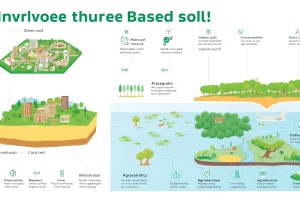
NBS target a range of interconnected problems: climate change mitigation and adaptation, water security, disaster risk reduction, food security, human health, and biodiversity loss. These challenges are often exacerbated by environmental degradation, and NBS aim to reverse this trend by restoring ecosystem functions.
How the solution works
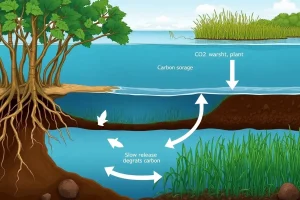
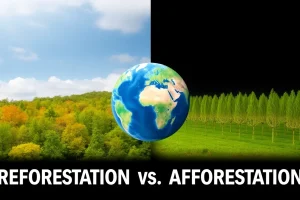
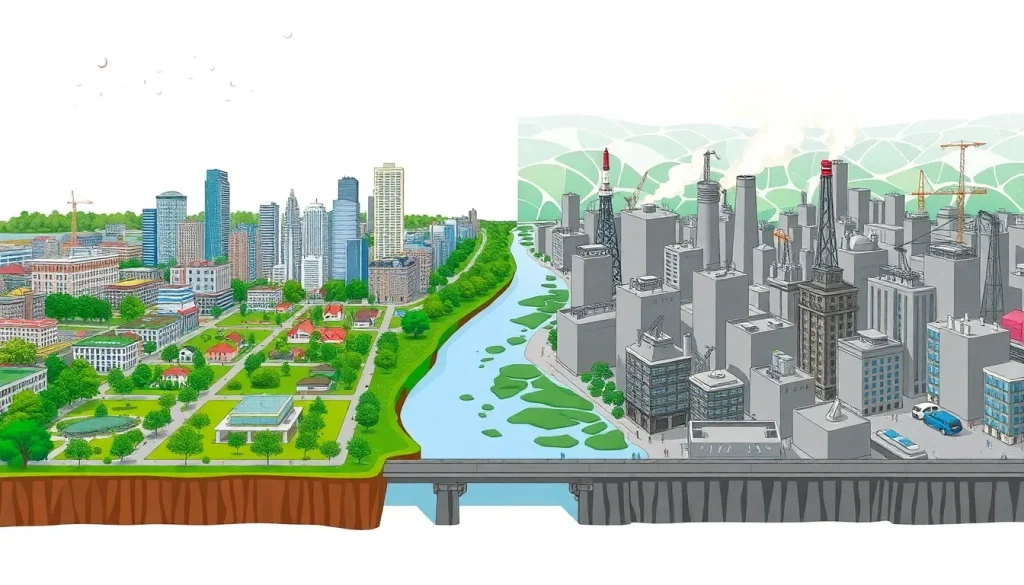
NBS involve protecting, restoring, or sustainably managing natural or modified ecosystems to provide specific services. For example, restoring mangroves reduces storm surge impacts; urban green spaces cool cities and manage stormwater; reforestation sequesters carbon and regulates water flow. The mechanism relies on ecosystem processes like water infiltration, carbon storage, and habitat provision.
Evidence strength
The evidence base is growing. For coastal protection, meta-analyses show mangroves and coral reefs can reduce wave energy by up to 70-90% (though exact numbers vary). Urban NBS like green roofs have well-documented benefits for stormwater management and heat island reduction. However, evidence for large-scale carbon sequestration or flood mitigation in complex watersheds is more mixed, with outcomes highly dependent on local conditions. Many NBS lack long-term monitoring data.
Potential scale
NBS can be applied globally, from local community projects to transboundary initiatives. The theoretical potential is vast: restoring 350 million hectares of degraded land could sequester significant carbon (IPCC estimates). However, actual scale is limited by land availability, competing uses, funding, and governance. Scaling up requires integrating NBS into national policies and infrastructure planning.
Cost considerations
NBS are often more cost-effective than traditional grey infrastructure. For instance, New York City’s investment in watershed protection saved billions compared to a new filtration plant. However, costs vary widely: urban parks require ongoing maintenance; large-scale restoration may have high upfront costs. Cost-benefit analyses often show positive returns when co-benefits are included, but monetizing these is challenging.
Implementation time
Some NBS, like planting trees or installing green roofs, can be implemented quickly and yield benefits within years. Others, like forest restoration or wetland creation, may take decades to mature. Planning and stakeholder engagement can also extend timelines. Immediate benefits are often seen in terms of jobs and community engagement.
Environmental benefits
NBS enhance biodiversity, improve air and water quality, sequester carbon, and reduce soil erosion. They can create habitats and corridors for wildlife. Quantified benefits include: urban trees can reduce air temperature by 2-8°C; restored wetlands can remove up to 90% of nitrogen from water. These benefits are often synergistic.
Social and economic co-benefits
NBS provide recreational spaces, improve mental and physical health, support livelihoods (e.g., fisheries, tourism), and increase property values. They can enhance community resilience and social cohesion. In developing countries, NBS can provide sustainable resource use and poverty alleviation.
Risks and unintended consequences
Poorly designed NBS can fail or cause harm. Risks include: green gentrification displacing low-income residents; introduction of invasive species; over-reliance on ecosystems that may be vulnerable to climate change; and trade-offs with agriculture or development. There is also a risk of greenwashing where NBS are used to offset environmental damage without real benefits.
Where it works best
NBS are most effective in areas where ecosystems are relatively intact or can be restored, and where they align with local needs and governance. Coastal zones, urban areas, and agricultural landscapes are prime candidates. They work well when integrated with community participation and adaptive management.
Where it may not work
NBS may be insufficient in highly degraded environments where ecosystem function is lost, or in areas with extreme climate hazards requiring immediate engineered protection. They may also fail where land tenure is insecure, or where there is lack of political will and funding for long-term maintenance.
Comparison with alternatives
Compared to grey infrastructure (e.g., seawalls, water treatment plants), NBS are often more flexible, provide multiple benefits, and can adapt to changing conditions. However, they may not offer the same level of protection in all scenarios. Hybrid approaches combining green and grey elements are increasingly recommended. Doing nothing is often costlier due to escalating risks.
Case studies
Mangrove restoration in Vietnam: The Red Cross project planted mangroves to protect coastal communities from typhoons, reducing dike maintenance costs and providing livelihoods. New York City’s watershed protection: Instead of a $6-8 billion filtration plant, the city invested $1.5 billion in land conservation and sustainable farming upstream, securing clean water. Urban green spaces in Medellín, Colombia: The city’s green corridors reduced temperatures by up to 2°C and improved air quality, while also providing recreational spaces.
Final assessment
Nature-based solutions are a critical component of the global response to environmental and social challenges. They are not a panacea but offer a valuable, often underutilized, approach that can complement traditional infrastructure. Success requires robust design, community involvement, and long-term commitment. For many problems, NBS should be the first option considered, with grey solutions as a supplement or fallback.
FAQ
What exactly is a nature-based solution?
Nature-based solutions are actions that work with and enhance natural ecosystems to address societal challenges, such as climate change, water security, and disaster risk. They include protecting, restoring, or sustainably managing forests, wetlands, grasslands, and coastal areas, as well as creating green infrastructure in cities.
Are nature-based solutions always cheaper than traditional infrastructure?
Not always, but they often provide better long-term value when co-benefits like recreation, biodiversity, and carbon storage are considered. Upfront costs can be lower, but maintenance and land acquisition may be expensive. Cost-effectiveness depends on the specific context and the services required.
Can nature-based solutions replace all grey infrastructure?
No. In many cases, a hybrid approach combining green and grey elements is most effective. For example, a seawall might be needed in addition to mangrove restoration in areas with extreme storm surges. NBS are best seen as a complement, not a complete replacement, for traditional engineering.
References
- IUCN (2020). Global Standard for Nature-based Solutions. International Union for Conservation of Nature.
- World Bank (2019). Nature-Based Solutions for Water. World Bank Group.
- IPCC (2022). Climate Change 2022: Impacts, Adaptation and Vulnerability. Intergovernmental Panel on Climate Change.
- European Commission (2015). Towards an EU Research and Innovation policy agenda for Nature-Based Solutions & Re-Naturing Cities.
- Seddon, N. et al. (2020). Understanding the value and limits of nature-based solutions to climate change and other global challenges. Philosophical Transactions of the Royal Society B.