In brief
At a glance
Quick Facts
- Global urban population share
- Over 55% of the world's population lives in urban areas, a proportion expected to increase.
- Cities' share of global energy use
- Cities consume more than two-thirds of the world's primary energy.
- Urban CO2 emissions
- Urban areas account for over 70% of global carbon dioxide emissions from energy use.
- Transportation energy in dense cities
- Per capita transportation energy use can be up to 80% lower in compact, transit-oriented cities compared to sprawling suburbs.
- Building energy demand
- Heating, cooling, and lighting buildings represent about 30-40% of total energy consumption in many cities.
- Urban heat island effect
- Cities can be 1-3°C warmer than surrounding rural areas, increasing cooling energy demand by 5-20%.
- Material stock in cities
- The built environment of cities contains billions of tons of materials like concrete and steel, with annual additions growing.
- Water use in urban vs rural
- Urban residents typically use less water per capita than agricultural users, but concentrated demand can stress local supplies.
Key Takeaways
- Urbanization concentrates energy and resource demand, often increasing per capita consumption of electricity and materials while reducing per capita transportation energy due to density.
- Cities function as complex metabolic systems, importing vast quantities of resources and exporting waste, which can strain regional and global ecosystems.
- The environmental impact of urbanization varies widely by region, with developed cities often showing higher total resource use but greater efficiency, while rapidly urbanizing areas in developing nations face acute infrastructure challenges.
- Urbanization presents a dual challenge: it can enable more efficient resource use through compact design and shared services, but also locks in consumption patterns that are difficult to change, making sustainable urban planning critical.
What Is How Urbanization Changes Energy and Resource Use?
Urbanization changes energy and resource use by shifting the spatial distribution, intensity, and types of consumption that occur as populations move from rural to urban areas. This transformation is not merely a matter of more people living in cities; it involves fundamental changes in economic activities, lifestyles, infrastructure, and the built environment that collectively alter how energy, water, food, and materials are used. As cities grow, they become hubs of production and consumption, concentrating demand and creating new patterns of resource flow that differ markedly from those in rural settings.
At its core, the relationship between urbanization and resource use is a story of both efficiency and scale. On one hand, urban density can reduce per capita energy needs for transportation and heating, and shared infrastructure can lower the material footprint of each resident. On the other hand, the sheer concentration of people and economic activity in cities drives up total resource consumption, often requiring long-distance transmission of energy, water, and goods. Understanding this dynamic is essential for addressing global sustainability challenges, as urban areas now house more than half the world’s population and account for a disproportionate share of energy use and greenhouse gas emissions.
How It Works
Urbanization alters energy and resource use through several interconnected mechanisms. First, the shift from dispersed rural settlements to compact urban forms changes the way people travel, heat and cool their homes, and access goods and services. In cities, higher population density typically reduces the distance between homes, workplaces, and amenities, which can lower per capita transportation energy use. However, this benefit is often offset by increased reliance on energy-intensive modes like private cars if public transit is inadequate, and by longer commuting distances in sprawling metropolitan areas.
Second, the built environment of cities—characterized by multi-story buildings and extensive infrastructure—requires enormous quantities of materials such as concrete, steel, glass, and asphalt. The construction and maintenance of this urban fabric consume significant energy and resources, while also generating waste. Once built, the operation of buildings (heating, cooling, lighting, appliances) becomes a dominant component of urban energy demand, influenced by building design, climate, and occupant behavior.
Third, urbanization drives changes in consumption patterns. Urban residents typically have higher incomes and access to a wider variety of goods and services, leading to increased per capita consumption of food, water, and consumer products. Diets often shift toward more resource-intensive foods like meat and processed items. At the same time, the concentration of people and businesses enables economies of scale in resource distribution and waste management, potentially reducing per-unit costs and environmental impacts.
Finally, the urban heat island effect—where cities are warmer than surrounding rural areas due to heat-absorbing surfaces and waste heat from buildings and vehicles—can significantly increase energy demand for cooling in hot climates, while slightly reducing heating needs in colder regions. This effect illustrates how urbanization creates microclimates that further modify energy use patterns.
What the Evidence Shows
Research consistently shows that urbanization leads to higher total energy and resource consumption, but the per capita impacts vary by context. Globally, cities consume over two-thirds of the world’s energy and produce a similar share of carbon dioxide emissions, even though they house just over half the population. However, per capita energy use in dense, well-planned cities can be lower than in sprawling suburbs or rural areas, particularly for transportation. For example, residents of compact cities with robust public transit systems often have smaller carbon footprints than their suburban counterparts, who rely more on private vehicles.
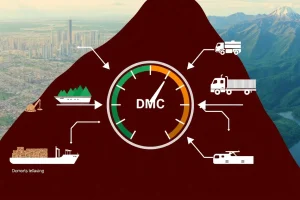
Material consumption also follows a complex pattern. Urbanization drives demand for construction materials, metals, and consumer goods, leading to increased extraction of natural resources. Studies of urban metabolism—the flow of resources into and out of cities—show that as cities grow, their material throughput intensifies. However, per capita material use can stabilize or even decline in mature cities with service-based economies, while it surges in rapidly industrializing urban areas. Water use similarly reflects this tension: urban residents may use less water per person than rural agricultural populations, but concentrated urban demand can strain regional water supplies and require energy-intensive treatment and distribution systems.
Environmental and Human Impacts
The environmental consequences of urbanization-driven resource use are far-reaching. Energy consumption in cities is a primary source of greenhouse gas emissions, contributing to climate change. The concentration of fossil fuel use in power generation, transportation, and industry within urban areas creates local air pollution hotspots, leading to respiratory illnesses and other health problems. Urban resource demands also drive land-use change, deforestation, and habitat loss as cities expand and infrastructure networks extend into surrounding areas.
Water resources are particularly affected. Urbanization increases impervious surfaces, reducing groundwater recharge and increasing stormwater runoff, which can cause flooding and water pollution. The extraction of water to supply cities can deplete aquifers and alter river flows, impacting ecosystems and rural communities. Waste generation is another critical issue: cities produce vast quantities of solid waste, and improper management can lead to soil and water contamination, as well as methane emissions from landfills.
On the human side, urbanization can improve access to modern energy services, clean water, and sanitation for millions, enhancing quality of life. However, these benefits are unevenly distributed, and many urban residents—especially in informal settlements—face energy poverty, water scarcity, and exposure to pollution. The health impacts of urban resource use, from air pollution to heat stress, disproportionately affect vulnerable populations.
Regional Differences
The relationship between urbanization and resource use varies significantly across regions, shaped by levels of economic development, urban form, and policy contexts. In high-income countries, urbanization occurred gradually over decades, allowing for the development of extensive infrastructure and regulatory systems. These cities often have high per capita energy and material consumption due to affluent lifestyles, but they also have the resources to invest in efficiency improvements and renewable energy. Suburbanization in these regions has often increased per capita land and energy use, counteracting some density benefits.
In contrast, many low- and middle-income countries are experiencing rapid urbanization, with cities expanding at unprecedented rates. This growth often outpaces the provision of basic services, leading to informal settlements with limited access to electricity, clean water, and sanitation. Energy use per capita in these cities is generally lower than in wealthy nations, but it is rising quickly as incomes grow and consumption patterns shift. The resource intensity of urban infrastructure construction in these regions is particularly high, as new buildings, roads, and utilities are built to accommodate swelling populations.
Climate and geography also mediate urbanization’s impacts. Cities in cold climates require substantial energy for heating, while those in hot climates face growing cooling demands. Coastal cities may have different resource needs and vulnerabilities compared to inland ones. Thus, the energy and resource implications of urbanization are not uniform but depend on local and regional contexts.
Benefits, Limitations and Trade-offs
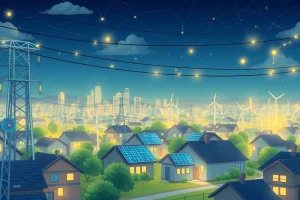
Urbanization offers significant potential benefits for resource efficiency. Compact urban forms can reduce per capita energy use for transportation and housing, and district heating, cooling, and power systems can achieve higher efficiencies than individual systems. Shared infrastructure, such as public transit and centralized water treatment, can lower the material and energy footprint per person. Cities also provide opportunities for innovation in sustainable design, circular economy practices, and renewable energy integration.
However, these benefits are not automatic. Urbanization also creates lock-in effects: once built, the physical form of a city and its infrastructure systems determine energy and resource use patterns for decades. Poorly planned, sprawling cities can lead to high per capita consumption and car dependency. Moreover, the concentration of demand in cities can strain regional resources, leading to water conflicts, long-distance energy transmission losses, and waste disposal challenges. The efficiency gains from density may be offset by increased consumption due to higher incomes and greater availability of goods and services—a phenomenon known as the rebound effect.
There are also trade-offs between different resources. For example, efforts to improve water efficiency in cities may increase energy use for treatment and pumping, while transitioning to electric vehicles reduces oil consumption but increases electricity demand. Urban greening and densification can reduce heat island effects and transportation energy but may require more water for irrigation. Balancing these trade-offs requires integrated planning that considers the entire urban metabolism.
Common Misconceptions
One common misconception is that urbanization always leads to higher per capita energy and resource use. In reality, well-designed cities can have lower per capita consumption than rural areas, especially for transportation. Another misconception is that cities are inherently unsustainable. While they concentrate environmental impacts, they also offer unique opportunities for efficiency and innovation that are harder to achieve in dispersed settlements. A third misconception is that the environmental problems of urbanization can be solved solely through technological fixes, ignoring the need for behavioral change, equitable access, and governance reforms.
FAQ
What is urbanization's effect on energy use?
Urbanization generally increases total energy consumption due to concentrated economic activity and higher living standards, but it can reduce per capita energy use for transportation and housing when cities are compact and well-planned.
How does urbanization affect water resources?
Urbanization increases water demand for domestic and industrial use, while also creating impervious surfaces that reduce groundwater recharge and increase runoff. This can strain local water supplies and require energy-intensive treatment and distribution.
Why does urbanization matter for sustainability?
Because cities are now home to most of the world's population and account for the majority of resource consumption and emissions, how they grow and operate will largely determine whether global sustainability goals are met.
References
- United Nations Human Settlements Programme (UN-Habitat). World Cities Report.
- International Energy Agency (IEA). Energy Technology Perspectives: Cities and Urbanisation.
- Kennedy, C., Cuddihy, J., & Engel-Yan, J. (2007). The changing metabolism of cities. Journal of Industrial Ecology.