In brief
At a glance
Quick Facts
- Definition
- Plastic particles smaller than 5 mm in diameter found in soil.
- Primary sources
- Agricultural plastic mulch, sewage sludge, compost, tire wear, and litter fragmentation.
- Estimated annual input to agricultural soils
- Modeling suggests tens to hundreds of thousands of tonnes globally, with estimates ranging from 44,000 to 300,000 tonnes.
- Persistence
- Microplastics can persist in soil for decades to centuries due to slow degradation.
- Effects on soil biota
- Can reduce earthworm growth, alter microbial communities, and affect soil aggregation.
- Potential to adsorb pollutants
- Microplastics can concentrate heavy metals and organic contaminants, acting as vectors.
- Pathways to humans
- May enter the food chain via crops and soil organisms, but human health risks are still uncertain.
- Global distribution
- Found in soils worldwide, from farmland to remote natural areas.
- Regulatory status
- No specific soil quality standards for microplastics exist in most countries.
- Mitigation strategies
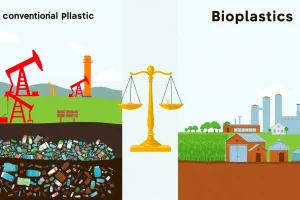
- Reducing single-use plastics, improving waste management, and developing biodegradable alternatives.
Key Takeaways
- Microplastics in soil are tiny plastic particles that accumulate from agricultural practices, waste breakdown, and atmospheric deposition.
- They can alter soil physical properties, such as bulk density and water-holding capacity, and disrupt soil organism communities.
- Microplastics may act as vectors for harmful chemicals and can be taken up by plants, potentially entering the food chain.
- The long-term consequences for soil health, ecosystem functioning, and human health are still under investigation, but evidence points to significant risks.
What Is Microplastics in Soil: Sources and Potential Impacts?
Microplastics in soil refer to solid plastic particles smaller than 5 millimeters in diameter that are present in terrestrial environments. These particles originate from a wide range of sources, including the fragmentation of larger plastic items, the direct application of plastic-containing products to land, and the deposition of airborne particles. Once in the soil, microplastics can persist for decades to centuries due to their resistance to degradation, and they interact with the soil matrix, organisms, and chemical compounds in ways that are not yet fully understood.
The presence of microplastics in soil is a growing concern because of their potential to alter soil functions that are essential for agriculture, ecosystem stability, and carbon cycling. They can change the physical structure of soil, affect water infiltration and retention, and influence the activity and diversity of soil biota. Moreover, microplastics can sorb and concentrate environmental contaminants, such as heavy metals and persistent organic pollutants, and may transfer these substances to organisms that ingest them. The topic encompasses the identification of sources, the mechanisms of transport and fate, and the assessment of ecological and human health risks.
Main Causes or Drivers
The accumulation of microplastics in soil is driven by multiple direct and indirect inputs. The most significant sources include:

- Agricultural plastic films: Plastic mulch, greenhouse covers, and silage wraps are widely used to improve crop yields. Over time, these materials degrade under sunlight and mechanical stress, fragmenting into microplastics that remain in the soil after the films are removed or plowed under.
- Sewage sludge and biosolids: Wastewater treatment plants capture microplastics from domestic and industrial sources. When the resulting sludge is applied to farmland as a fertilizer, it can introduce large quantities of microplastic particles into the soil.
- Compost and organic fertilizers: Compost derived from municipal organic waste often contains plastic fragments from improper sorting, such as bits of packaging and bags. These fragments become microplastics as the compost matures and is spread on fields.
- Littering and illegal dumping: Plastic waste discarded on land gradually breaks down into smaller pieces through weathering, UV radiation, and mechanical abrasion, contributing to soil contamination.
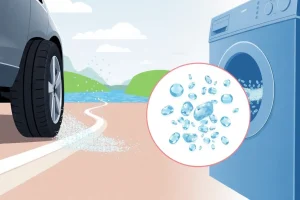
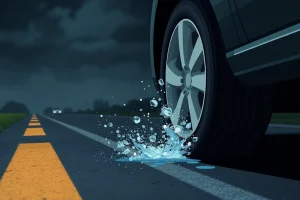
- Tire wear particles: Abrasion of vehicle tires on roads generates microplastic particles that are washed into roadside soils and can be transported further by wind and water.
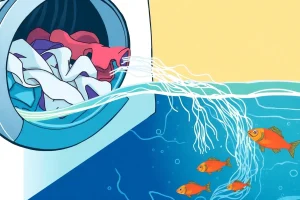
- Atmospheric deposition: Microplastics suspended in the air, originating from synthetic textiles, urban dust, and industrial processes, can settle onto soil surfaces even in remote areas.
- Irrigation water: Surface water and treated wastewater used for irrigation may contain microplastics, which are then deposited onto agricultural land.
How It Works
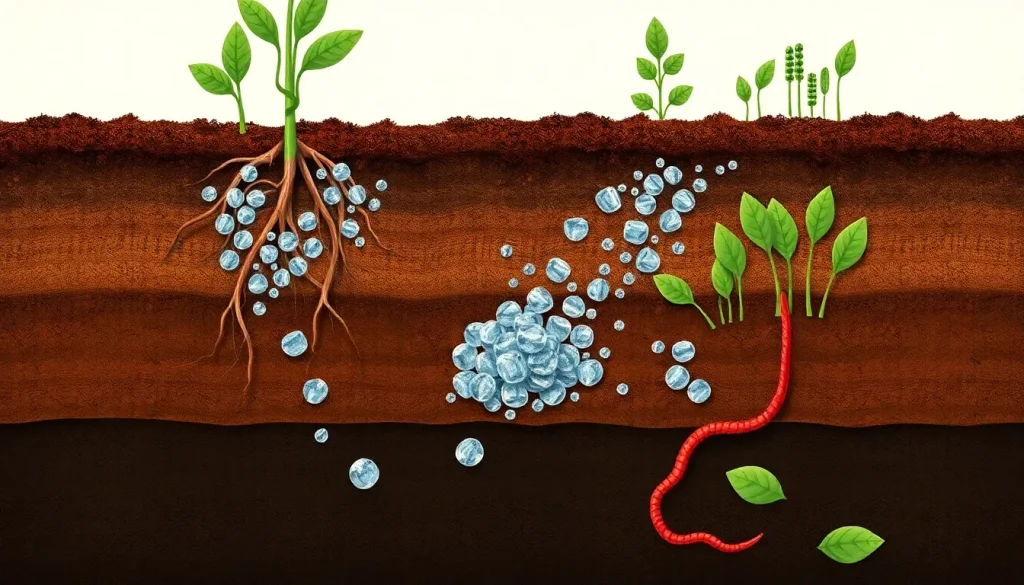
Once microplastics enter the soil, they undergo a series of physical, chemical, and biological interactions. Their small size and low density allow them to be incorporated into soil aggregates, where they can alter the arrangement of mineral particles and organic matter. This can change soil bulk density, porosity, and water-holding capacity. For example, certain microplastic fibers can increase soil aeration but reduce water retention, while fragments may compact the soil and impede root penetration.
Microplastics also interact with soil organisms. Earthworms, springtails, and nematodes can ingest particles, mistaking them for food. Inside the gut, microplastics may cause physical damage, blockages, or release toxic additives. In the soil environment, microplastics can leach plasticizers, flame retardants, and other chemical additives, and they can adsorb hydrophobic organic pollutants and heavy metals from the surrounding soil. These contaminated particles then serve as vectors, concentrating and transporting harmful substances. Furthermore, microplastics can be taken up by plant roots, particularly nanoplastics and very small microplastics, and translocated to above-ground tissues, though the extent and mechanisms of this uptake are still being studied.
Environmental and Human Impacts
The presence of microplastics in soil has been shown to affect a range of soil properties and organisms. In laboratory and field studies, microplastics have been observed to:
- Alter soil physical structure: Changes in bulk density, aggregate stability, and water infiltration can affect plant growth and soil erosion.
- Impact soil biota: Earthworms exposed to microplastics may exhibit reduced growth, reproductive impairment, and increased mortality. Microplastic contamination can shift microbial community composition and reduce enzyme activities involved in nutrient cycling.
- Affect plant performance: Some studies report reduced seed germination, root elongation, and biomass production in the presence of certain microplastics, while others show neutral or even stimulatory effects depending on plastic type, concentration, and plant species.
- Facilitate contaminant transfer: Microplastics can carry sorbed pollutants into organisms, potentially increasing the bioavailability of toxic compounds. This has been demonstrated for earthworms and other soil invertebrates.
For humans, the primary concern is the potential transfer of microplastics and associated chemicals through the food chain. Crops grown in contaminated soil may accumulate microplastics, and soil particles can adhere to produce. Inhalation of airborne microplastics from soil dust is another possible exposure route. However, direct evidence of adverse human health effects from soil-derived microplastics remains limited, and risk assessments are complicated by the diversity of plastic types and the lack of standardized toxicity data.
Connections to Other Systems
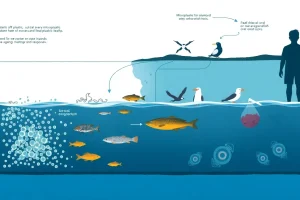
Microplastics in soil are not isolated; they are part of a broader plastic cycle that links terrestrial, aquatic, and atmospheric compartments. Soil erosion and runoff can transport microplastics into rivers, lakes, and oceans, contributing to aquatic plastic pollution. Conversely, flooding can deposit plastic-laden sediments onto floodplains. Atmospheric transport moves microplastics between regions, with soil acting as both a sink and a source of airborne particles.
Within the terrestrial ecosystem, microplastics can affect carbon and nutrient cycling. By altering microbial activity and soil structure, they may influence greenhouse gas emissions from soil, such as carbon dioxide and methane. The uptake of microplastics by plants and soil fauna creates a pathway for these particles to enter terrestrial food webs, potentially affecting wildlife and livestock. These interconnections mean that soil microplastic pollution cannot be managed in isolation; it requires a systems-level understanding of plastic flows and their ecological consequences.
Data Limitations and Uncertainties
Despite growing research, significant knowledge gaps remain. There is no universally accepted method for sampling, extracting, and identifying microplastics in soil, which makes it difficult to compare studies and assess global contamination levels. Most research has been conducted in laboratory settings using high concentrations of a single plastic type, often spherical particles, which do not reflect the complex mixtures and irregular shapes found in real soils. Long-term field studies are scarce, so the chronic effects of environmentally relevant concentrations are poorly understood.
The interactions between microplastics and other soil stressors, such as pesticides, fertilizers, and climate change, are largely unexplored. The threshold at which microplastics cause significant harm to soil functions is unknown, and the potential for nanoplastics—particles smaller than 1 micrometer—to penetrate biological barriers raises additional concerns. Human health risk assessments are hindered by a lack of data on exposure levels, toxicokinetics, and the effects of chronic low-dose exposure. These uncertainties underscore the need for standardized methodologies and interdisciplinary research.
What Individuals Can Do
While systemic change is essential, individual actions can help reduce the input of microplastics into soil:
- Reduce single-use plastics: Opt for reusable bags, containers, and packaging to decrease the overall plastic waste stream.
- Proper waste disposal: Ensure plastic waste is recycled or disposed of correctly to prevent littering and fragmentation in the environment.
- Choose natural fibers: Wearing clothing made from cotton, wool, or other natural materials can reduce the release of synthetic microfibers during washing and wear.
- Mindful gardening: Avoid using plastic mulch in home gardens; consider biodegradable alternatives or organic mulches like straw or wood chips.
- Support policies: Advocate for regulations that limit unnecessary plastic use, improve waste management infrastructure, and promote research into biodegradable materials.
- Participate in citizen science: Engage in local soil monitoring projects or beach clean-ups that help track and reduce plastic pollution.
FAQ
What are microplastics in soil?
Microplastics in soil are tiny plastic particles smaller than 5 millimeters that have accumulated in the ground from sources like agricultural films, sewage sludge, and the breakdown of larger plastic waste.
How do microplastics get into soil?
They enter soil through direct application of plastic-containing materials (e.g., mulch, compost, biosolids), littering, tire wear, atmospheric deposition, and irrigation with contaminated water.
Why are microplastics in soil a concern?
They can alter soil structure and water dynamics, harm soil organisms, act as carriers for toxic pollutants, and potentially enter the food chain, posing risks to ecosystem health and possibly human health.
References
- de Souza Machado, A. A., et al. (2018). Microplastics as an emerging threat to terrestrial ecosystems. Global Change Biology.
- Bläsing, M., & Amelung, W. (2018). Plastics in soil: Analytical methods and possible sources. Science of the Total Environment.
- FAO (2021). Assessment of agricultural plastics and their sustainability: A call for action.