How Microplastics Move Through Food Webs
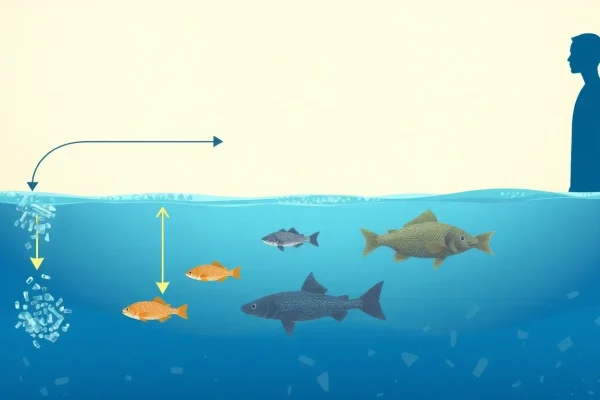
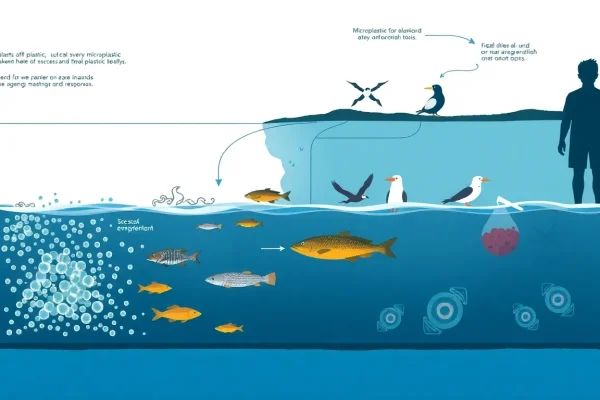
Microplastics—tiny plastic particles less than 5 mm in size—enter food webs when they are ingested by organisms at the base of the food chain,…
Topic archive
Impacts, sources, and mitigation of plastic waste in ecosystems.
Microplastics—tiny plastic particles less than 5 mm in size—enter food webs when they are ingested by organisms at the base of the food chain,…
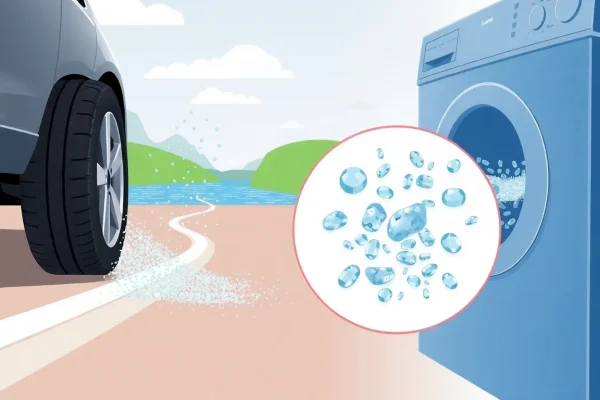
Primary microplastics are tiny plastic particles intentionally manufactured or directly released from products. Tires and synthetic textiles are major sources, shedding particles during use…
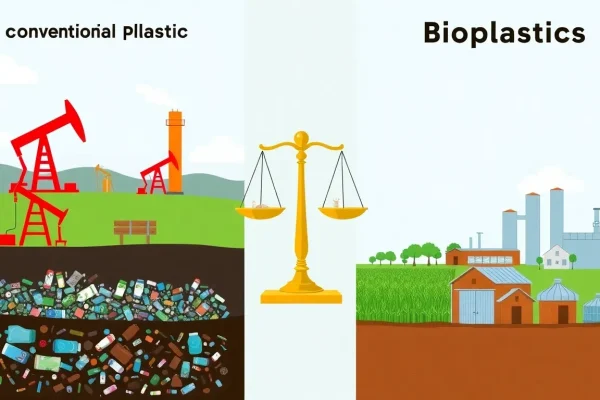
Bioplastics are plastics derived from renewable biomass sources or designed to be biodegradable, while conventional plastics are made from fossil fuels and are typically…
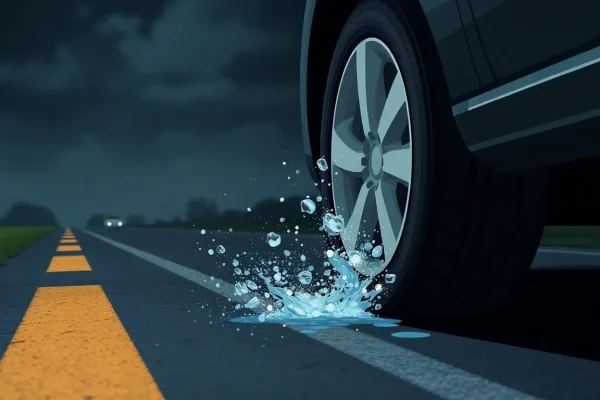
Tire-wear pollution is the release of tiny particles from vehicle tires as they abrade against road surfaces. These particles, composed of synthetic rubber and…
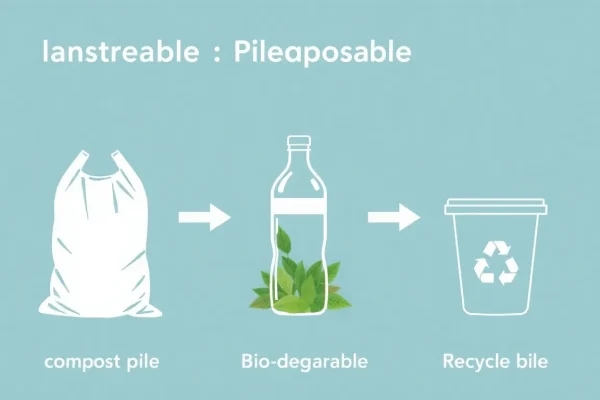
Compostable plastics break down into non-toxic components in composting conditions, while biodegradable plastics can degrade naturally but without a defined timeframe or end-product. Bio-based…
Microplastics, tiny plastic particles less than 5 millimeters in size, enter food webs when they are ingested by organisms at the base of the…
Microplastics are plastic particles smaller than 5 millimeters, while nanoplastics are even tinier, measuring less than 1 micrometer. Both originate from the breakdown of…
Biodegradable plastics are designed to break down through biological processes, but they do not offer a simple solution to plastic pollution. Their degradation depends…
Primary microplastics are intentionally manufactured small plastic particles, such as microbeads and industrial pellets, while secondary microplastics result from the breakdown of larger plastic…