In brief
At a glance
Quick Facts
- Primary source
- Synthetic textiles are estimated to be the largest source of primary microplastics in the oceans.
- Fiber release per wash
- A single synthetic garment can release hundreds of thousands of microfibers in one wash cycle.
- Common materials
- Polyester, nylon, acrylic, and polypropylene are the most common synthetic fibers used in clothing.
- Wastewater treatment
- Conventional wastewater treatment plants capture 60–99% of microfibers, but the remainder still enters the environment.
- Environmental presence
- Microfibers have been found in remote locations, including Arctic sea ice and deep ocean sediments.
- Human exposure
- Microfibers have been detected in human-consumed seafood, tap water, and even the air we breathe.
- Degradation time
- Synthetic fibers can persist in the environment for decades to centuries, as they are not readily biodegradable.
- Washing machine type
- Front-loading washing machines tend to release fewer microfibers than top-loading machines.
- Solution: Filters
- External washing machine filters can capture up to 90% of microfibers before they enter wastewater.
- Natural alternatives
- Clothing made from cotton, wool, hemp, and linen does not shed synthetic microfibers.
Key Takeaways
- Synthetic clothing is a leading source of primary microplastic pollution, releasing millions of microfibers during each wash cycle.
- Microfibers are tiny plastic threads that evade wastewater treatment and accumulate in oceans, freshwater, soil, and air.
- These fibers are ingested by aquatic organisms, potentially entering the food chain and posing risks to human health.
- Effective solutions exist at multiple levels, including washing machine filters, better textile design, and policy interventions.
What Is Synthetic Clothing and Microfiber Pollution?
Synthetic clothing refers to garments made from man-made fibers derived from petroleum or other chemical processes, such as polyester, nylon, acrylic, and polypropylene. These materials dominate the global textile market due to their durability, low cost, and versatility. However, during everyday use and especially during washing, synthetic fabrics shed microscopic plastic fibers—commonly called microfibers—that are a form of microplastic pollution. Microfibers are typically less than 5 millimeters in length and can be invisible to the naked eye, yet they are released in vast quantities from household laundry.
Microfiber pollution from synthetic clothing is a subset of the broader microplastic pollution problem. When synthetic garments are washed, the mechanical action and water flow cause fibers to break loose and travel with the wastewater. Because many wastewater treatment plants are not designed to capture particles this small, a significant number of microfibers pass through filtration systems and enter rivers, lakes, and oceans. Once in the environment, these fibers persist for decades or longer, accumulating in sediments, water columns, and living organisms. The issue has gained attention as studies reveal the ubiquity of microfibers in ecosystems worldwide, from the deep sea to Arctic ice, and even in the air we breathe and the food we consume.
How It Works
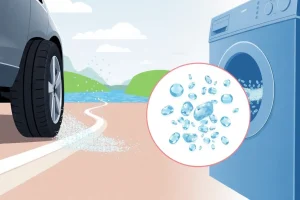
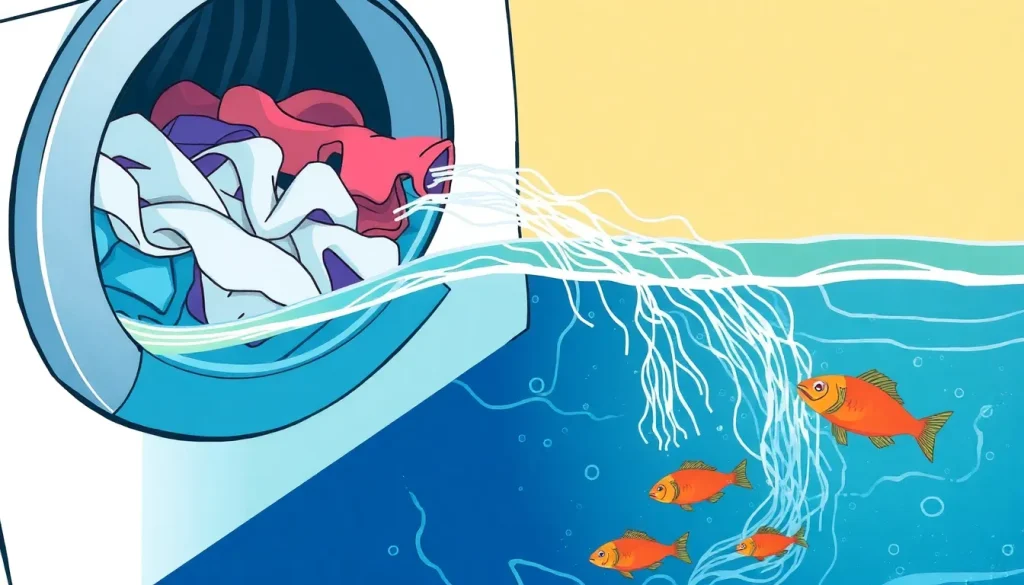
The release of microfibers from synthetic clothing occurs primarily during laundering. Inside a washing machine, garments are agitated, rubbed against each other, and exposed to water and detergents. This mechanical stress causes tiny fragments of the yarns to break off. The amount of shedding depends on several factors: fabric type (e.g., fleece and loosely knitted fabrics shed more), garment age (newer items often shed more initially), washing conditions (higher temperatures and longer cycles increase shedding), and the type of washing machine (top-loading machines with agitators tend to cause more shedding than front-loading machines). Even the type of detergent—powder vs. liquid—can influence fiber release, with some studies suggesting liquid detergents reduce shedding.

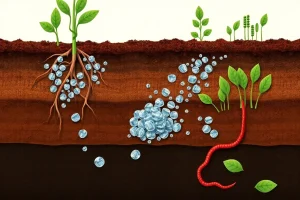
After leaving the washing machine, microfibers travel with the wastewater to treatment plants. Modern treatment plants can remove a large percentage of suspended solids, including many microfibers, through processes like screening, sedimentation, and biological treatment. However, the captured fibers often end up in sewage sludge, which is sometimes applied to agricultural land as fertilizer, introducing microfibers into soil. The fibers that escape treatment are discharged into surface waters. Additionally, microfibers are released into the air during the wearing and drying of synthetic clothing, contributing to atmospheric microplastic pollution. Once in the environment, microfibers are easily transported by wind and water currents, spreading globally.
Environmental and Human Impacts
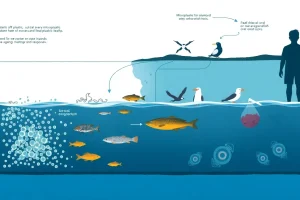
Microfibers pose a range of ecological risks. In aquatic environments, they are mistaken for food by plankton, filter feeders, and fish. Ingestion can cause physical blockages, reduced feeding, and internal abrasions. Moreover, microfibers can act as vectors for harmful chemicals: they may absorb persistent organic pollutants (POPs) from the surrounding water and leach additives like plasticizers and dyes. When ingested, these chemicals can be transferred to the organism, potentially causing toxic effects. The fibers can also travel up the food chain, from small organisms to larger predators, including species consumed by humans.
Human exposure to microfibers occurs through multiple pathways. Studies have detected microplastics, including synthetic fibers, in seafood, table salt, drinking water, and even in the air. While the full health implications are still under investigation, concerns include the physical irritation of tissues, the release of hazardous chemical additives, and the potential for microplastics to carry pathogens. The small size of microfibers may allow them to cross biological barriers, though the extent and significance of this in humans remain uncertain. The widespread presence of microfibers in the environment and food supply underscores the need for precautionary action.
Solutions
Addressing microfiber pollution requires a multi-pronged approach that targets the entire lifecycle of synthetic clothing. At the product level, textile manufacturers can engineer fabrics that shed less, such as using longer fibers, tighter weaves, or coatings that reduce friction. Washing machine manufacturers can integrate built-in microfiber filters, and aftermarket devices like the Guppyfriend bag or Cora Ball can capture fibers during laundry. Wastewater treatment plants can be upgraded with advanced filtration technologies, such as membrane bioreactors, to improve fiber removal. Additionally, promoting a shift toward natural fibers (cotton, wool, hemp, linen) and reducing overall consumption of synthetic fast fashion can lower the volume of fibers entering the waste stream.
Policy and regulatory measures are also critical. Extended producer responsibility (EPR) schemes can require clothing brands to fund waste management and pollution mitigation. Governments can set standards for microfiber emissions, mandate filters in new washing machines, and invest in research. Public awareness campaigns can encourage behavioral changes, such as washing clothes less frequently, using cold water, and avoiding delicate cycles that increase shedding. No single solution is sufficient; a combination of technological innovation, industry accountability, and individual action is needed to meaningfully reduce microfiber pollution.
What Individuals Can Do
Individuals can take several practical steps to minimize their contribution to microfiber pollution. Washing synthetic clothes less often and only when necessary reduces the total number of fibers released. When washing is needed, using cold water and shorter cycles can decrease shedding. Switching from powder to liquid detergent may also help, as powders can act as abrasives. Installing an external microfiber filter on the washing machine or using a laundry bag designed to capture fibers (such as a Guppyfriend bag) is one of the most effective measures. Choosing front-loading washing machines over top-loading agitator models can further reduce fiber release.
Beyond laundry habits, consumers can make more sustainable clothing choices. Opting for garments made from natural fibers—organic cotton, wool, linen, hemp—eliminates synthetic microfiber shedding entirely. When buying synthetic items, selecting high-quality, durable pieces and avoiding fast fashion trends can reduce the overall volume of synthetic textiles in circulation. Proper disposal and recycling of old synthetic clothing also prevent fibers from entering the environment through landfill leachate or incineration. While individual actions alone cannot solve the problem, they collectively reduce the burden and signal market demand for less polluting products.
What Businesses and Governments Can Do
Businesses across the textile and appliance industries have a significant role to play. Clothing brands can invest in research to develop low-shed fabrics, redesign manufacturing processes to minimize loose fibers, and provide clear care instructions to consumers. They can also adopt circular economy principles, such as take-back programs and recycling, to keep synthetic materials out of the waste stream. Washing machine manufacturers can integrate effective microfiber filters as standard features, and aftermarket filter companies can expand their reach. Retailers can label products with information about microfiber shedding potential, empowering consumers to make informed choices.
Governments can enact policies that drive systemic change. This includes setting legally binding limits on microfiber emissions from textiles, mandating filters in all new washing machines, and updating building codes to require microfiber filtration in laundry facilities. Public funding for research on microfiber impacts and mitigation technologies is essential. International cooperation is also needed, as microfiber pollution crosses borders. Regulatory frameworks like the European Union’s strategy for sustainable textiles can serve as models. By combining regulation, incentives, and public-private partnerships, governments can accelerate the transition to a less polluting textile economy.
Data Limitations and Uncertainties
Despite growing research, significant knowledge gaps remain. The exact contribution of synthetic clothing to total microplastic pollution is still debated, with estimates varying widely due to differences in sampling methods and modeling. Shedding rates can differ by orders of magnitude depending on fabric, washing conditions, and measurement techniques, making it difficult to establish standardized benchmarks. The fate and transport of microfibers in different environmental compartments—freshwater, marine, soil, air—are not fully understood, nor are the long-term ecological effects of chronic low-level exposure.
Human health risks are particularly uncertain. While microfibers have been found in human tissues and organs, the toxicological implications are not yet clear. Studies on the effects of ingested or inhaled microplastics are ongoing, and it is unknown whether microfibers pose a unique risk compared to other microplastic shapes. Additionally, the effectiveness of various mitigation measures under real-world conditions requires further validation. These uncertainties highlight the need for continued scientific investigation, but they do not diminish the importance of taking precautionary action to reduce microfiber pollution.
FAQ
What is synthetic clothing and microfiber pollution?
Synthetic clothing is made from plastic-based fibers like polyester, nylon, and acrylic. When washed, these garments shed tiny microfibers that are too small to be filtered by wastewater treatment plants, leading to pollution in rivers, lakes, and oceans.
How do microfibers from clothing affect the environment?
Microfibers are ingested by aquatic organisms, causing physical harm and potentially transferring toxic chemicals up the food chain. They also contribute to the accumulation of microplastics in ecosystems worldwide.
Why does microfiber pollution matter?
It matters because synthetic textiles are a major source of microplastic pollution, with potential long-term effects on marine life, food safety, and human health. Addressing this issue is critical for protecting environmental and public health.
References
- United Nations Environment Programme (UNEP) reports on microplastics and marine litter.
- International Union for Conservation of Nature (IUCN) primary microplastics report.
- Scientific studies on microfiber release from synthetic textiles (e.g., published in Environmental Science & Technology).