Cover Crops: Environmental Benefits and Limitations
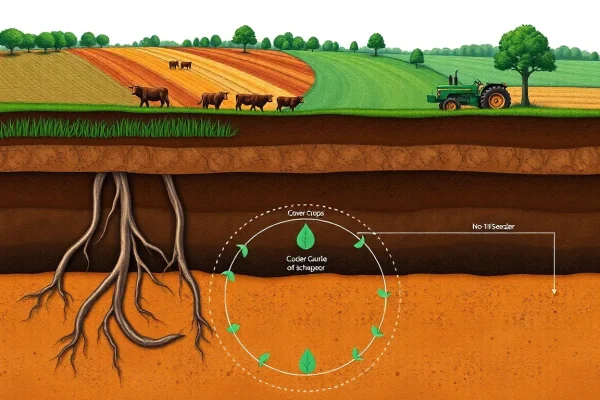
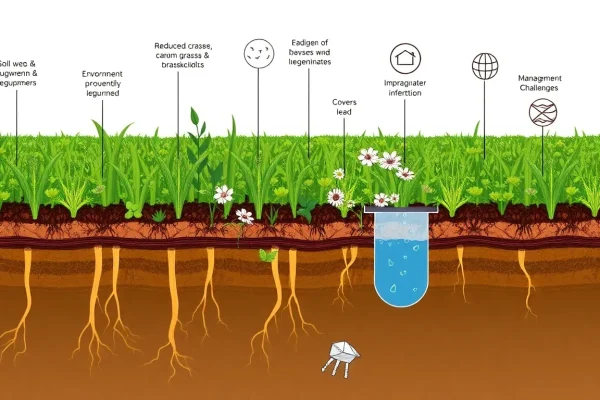
Cover crops are plants grown primarily to protect and improve soil between cash crop cycles. They offer environmental benefits such as erosion control, nutrient…
Topic archive
Focuses on farming practices that restore soil health and capture carbon.
Cover crops are plants grown primarily to protect and improve soil between cash crop cycles. They offer environmental benefits such as erosion control, nutrient…
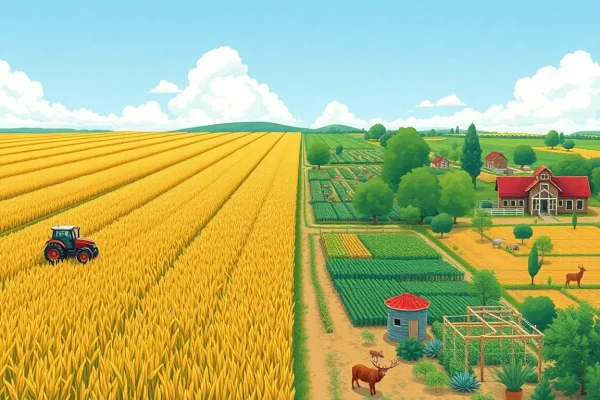
Monoculture is the agricultural practice of growing a single crop species on the same land repeatedly, while polyculture involves cultivating multiple crops together in…
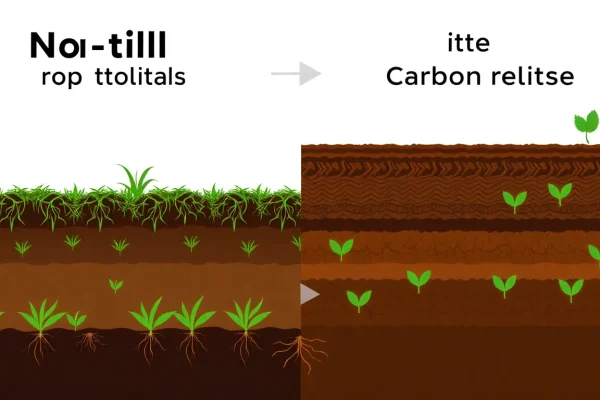
No-till farming reduces soil disturbance, which can increase soil organic carbon in surface layers compared to conventional tillage. However, the net effect on total…
Regenerative agriculture is a holistic approach to farming and grazing that aims to restore soil health, increase biodiversity, and sequester atmospheric carbon. While its…
Regenerative agriculture is a holistic approach to farming and grazing that focuses on restoring soil health, increasing biodiversity, and enhancing ecosystem services. It goes…