In brief
At a glance
Quick Facts
- Definition
- Biodegradable plastics are designed to be broken down by microorganisms into water, carbon dioxide, and biomass.
- Degradation Conditions
- Most require industrial composting facilities with temperatures above 58°C (136°F) to degrade within weeks.
- Marine Persistence
- Studies show biodegradable bags can remain functional after three years in the ocean.
- Recycling Contamination
- Biodegradable plastics can disrupt conventional plastic recycling if mixed in.
- Standards
- EN 13432 and ASTM D6400 define criteria for compostability, including disintegration and ecotoxicity.
- Methane Risk
- In landfills, anaerobic degradation of biodegradable plastics can produce methane, a potent greenhouse gas.
- Not a Silver Bullet
- They do not address the root causes of plastic pollution: overconsumption and poor waste management.
- Production Share
- Biodegradable plastics account for less than 1% of global plastic production.
Key Takeaways
- Biodegradable plastics are designed to break down through microbial action, but most require industrial composting conditions—not ambient environments like soil or oceans.
- In marine and freshwater settings, many biodegradable plastics persist for years, fragmenting into microplastics that can harm wildlife.
- Biodegradable plastics can contaminate conventional recycling streams and may increase littering if people mistakenly believe they disappear quickly.
- They are not a standalone solution; reducing plastic use, improving waste collection, and promoting truly compostable items are more effective strategies.
What Is Does Biodegradable Plastic Solve Plastic Pollution??
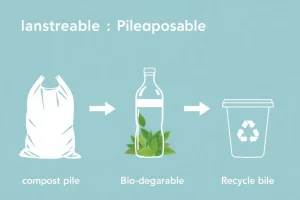
Biodegradable plastic refers to a type of plastic that can be broken down by microorganisms (bacteria, fungi, algae) into natural substances such as water, carbon dioxide, and biomass. Unlike conventional plastics derived from petroleum, which can persist in the environment for centuries, biodegradable plastics are engineered to degrade more rapidly under certain conditions. However, the term ‘biodegradable’ is often misunderstood: it does not mean the material will break down quickly or safely in any environment. The degradation process depends heavily on factors like temperature, humidity, and the presence of specific microbes. Biodegradable plastics can be made from renewable raw materials (such as corn starch, sugarcane, or cellulose) or from petrochemicals with additives that promote breakdown. They are used in products ranging from packaging and agricultural films to disposable cutlery and bags.
The question of whether biodegradable plastics solve plastic pollution is complex. Plastic pollution is a global crisis, with millions of tons of plastic waste entering ecosystems each year, harming wildlife and potentially human health. Biodegradable plastics are often marketed as an eco-friendly alternative, but their real-world performance reveals significant limitations. They do not degrade quickly in cold, dark, or dry environments—like the deep ocean or landfills—and they can still cause harm if littered. Moreover, the infrastructure to properly compost them is limited. Thus, while they may offer benefits in specific, controlled settings, they are not a panacea for the broader problem of plastic pollution.
How It Works
Biodegradation is a two-step process: first, the plastic undergoes abiotic degradation (e.g., hydrolysis, oxidation, or photodegradation) that breaks the polymer chains into smaller fragments; then, microorganisms consume these fragments, converting them into carbon dioxide, water, and biomass under aerobic conditions, or into methane under anaerobic conditions. For a plastic to be considered truly biodegradable, it must fully mineralize—meaning all its carbon is converted into CO₂ or CH₄—without leaving toxic residues.
The rate and extent of biodegradation depend on the material’s chemical structure and the environment. Some biodegradable plastics, like polylactic acid (PLA), require industrial composting facilities with temperatures above 58°C (136°F) and high humidity to degrade within weeks. In home compost, soil, or marine environments, PLA can persist for years. Other types, such as polyhydroxyalkanoates (PHA), are designed to biodegrade in a wider range of environments, including marine settings, but their performance varies. Standards like EN 13432 (for industrial compostability) and ASTM D6400 specify criteria for disintegration, biodegradation, and ecotoxicity, but there is no universal standard for ‘biodegradable’ in all environments.
What the Evidence Shows
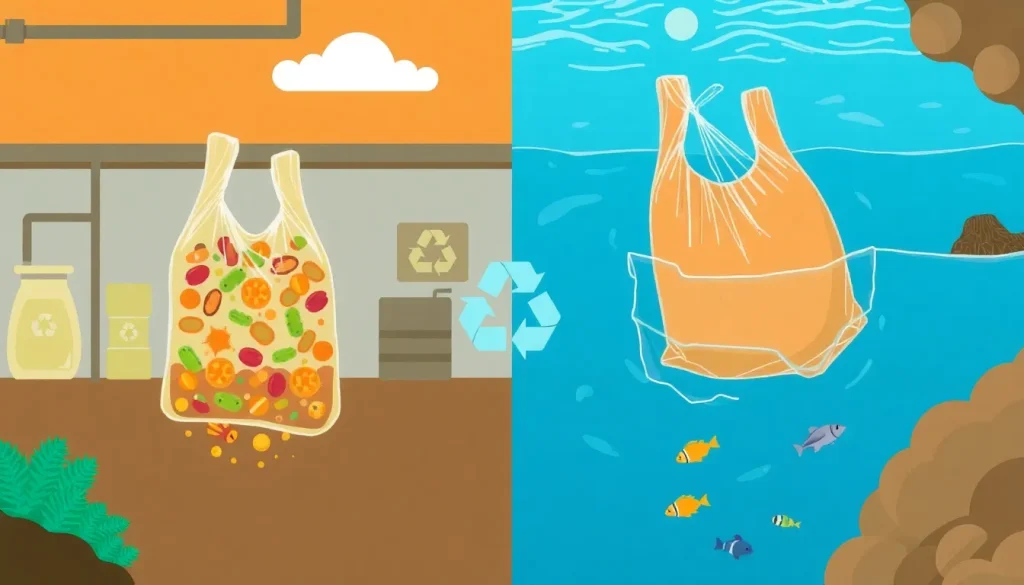
Scientific studies reveal a gap between the promise of biodegradable plastics and their real-world behavior. Research published in environmental science journals has shown that biodegradable plastic bags can remain intact in soil and seawater for years. For example, a study by Napper and Thompson (2019) tested biodegradable, oxo-biodegradable, compostable, and conventional plastic bags in marine, soil, and open-air environments. After three years, the biodegradable and compostable bags were still functional enough to hold groceries, and none had fully degraded in the ocean. Only the compostable bag in the marine environment showed some disintegration into fragments, but it was not completely mineralized.
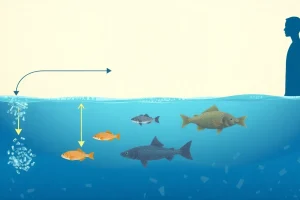
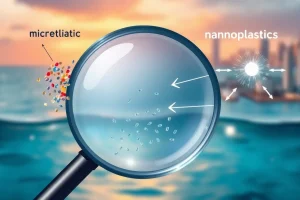
Similarly, evidence indicates that biodegradable plastics can fragment into microplastics before fully degrading, posing risks to marine life that ingest them. In landfills, where conditions are often anaerobic, biodegradable plastics may generate methane—a potent greenhouse gas—if not captured. Furthermore, many industrial composting facilities reject biodegradable plastics because they do not break down quickly enough or because they are indistinguishable from conventional plastics, leading to contamination. These findings underscore that ‘biodegradable’ is not a guarantee of environmental safety.
Benefits, Limitations and Trade-offs
Biodegradable plastics offer some potential advantages. They can reduce the accumulation of persistent plastic waste in specific managed systems, such as industrial composting facilities, where they can be turned into compost. Some are made from renewable resources, which may lower the carbon footprint compared to fossil-based plastics. In applications where plastic leakage into the environment is likely (e.g., agricultural mulch films), biodegradable options might reduce long-term pollution if they degrade in soil under realistic conditions.
However, these benefits come with significant limitations and trade-offs. Most biodegradable plastics do not degrade in marine environments, which are a major sink for plastic pollution. They can contaminate recycling streams if mixed with conventional plastics, reducing the quality of recycled materials. The production of bio-based biodegradable plastics may compete with food production for land and resources. Moreover, the term ‘biodegradable’ can mislead consumers into thinking that littering is acceptable, potentially exacerbating the problem. Life-cycle assessments show that biodegradable plastics are not always environmentally superior; their production can be energy-intensive, and if they end up in landfills, they may release methane. Thus, they are not a straightforward solution.
Common Misconceptions
One widespread misconception is that ‘biodegradable’ means the plastic will break down quickly and harmlessly in any environment, including the ocean or a backyard. In reality, most biodegradable plastics require specific industrial conditions to degrade. Another myth is that all biodegradable plastics are made from plants; some are petroleum-based but contain additives that promote fragmentation, which can create microplastics without full biodegradation. A third misconception is that biodegradable plastics are always better for the environment. Life-cycle assessments show that in some cases, conventional plastics with high recycling rates may have a lower environmental impact. Finally, many people confuse ‘biodegradable’ with ‘compostable.’ Compostable plastics must meet strict standards for disintegration and ecotoxicity, while ‘biodegradable’ is a broader, less regulated term.
What Individuals Can Do
Individuals can take several steps to navigate the complexities of biodegradable plastics. First, understand the difference between biodegradable and compostable, and look for certified compostable labels (e.g., the Seedling logo for EN 13432) when purchasing. Check whether your local waste management facility accepts compostable plastics; if not, they should go in the trash, not the recycling bin. Reduce overall plastic consumption by choosing reusable items, avoiding single-use plastics whenever possible, and supporting products with minimal packaging. Properly dispose of all waste to prevent litter, and never assume that a biodegradable item will simply disappear if discarded in the environment. Educate others about the limitations of biodegradable plastics to counter greenwashing.
What Businesses and Governments Can Do
Businesses can invest in clear, accurate labeling that distinguishes compostable from non-compostable items and provides disposal instructions. They should avoid misleading claims and support the development of standardized certifications. Companies can also redesign products to minimize plastic use, adopt reusable packaging systems, and ensure that any biodegradable plastics they use are compatible with existing waste management infrastructure. Governments can enact policies that mandate truthful labeling, ban oxo-degradable plastics (which fragment but do not biodegrade), and invest in composting and recycling infrastructure. They can also implement extended producer responsibility schemes to hold manufacturers accountable for the end-of-life of their products. Ultimately, a shift toward a circular economy—where materials are reused and recycled rather than discarded—is more effective than relying on biodegradable alternatives.
FAQ
What is biodegradable plastic?
Biodegradable plastic is a type of plastic that can be broken down by microorganisms into natural substances like water, carbon dioxide, and biomass, but only under specific conditions.
How does biodegradable plastic differ from compostable plastic?
Compostable plastic is a subset of biodegradable plastic that meets strict standards for disintegration and ecotoxicity in a composting environment. Not all biodegradable plastics are compostable.
Does biodegradable plastic solve plastic pollution?
No, it is not a complete solution. Biodegradable plastics require specific conditions to degrade, often persist in natural environments, and can create other problems like recycling contamination. Reducing plastic use and improving waste management are more effective.
References
- European Bioplastics. 'Bioplastics facts and figures.'
- Napper, I.E., and Thompson, R.C. (2019). 'Environmental Deterioration of Biodegradable, Oxo-biodegradable, Compostable, and Conventional Plastic Carrier Bags in the Sea, Soil, and Open-Air Over a 3-Year Period.' Environmental Science & Technology.
- United Nations Environment Programme (UNEP). 'Single-use Plastics: A Roadmap for Sustainability.'