Carbon Removal Permanence: Ensuring Long-Term Climate Benefits
Carbon removal permanence refers to the duration that removed CO2 remains out of the atmosphere. It is a critical factor in evaluating carbon removal…
Topic archive
Understanding the interconnected components and processes that shape Earth’s climate.
Carbon removal permanence refers to the duration that removed CO2 remains out of the atmosphere. It is a critical factor in evaluating carbon removal…
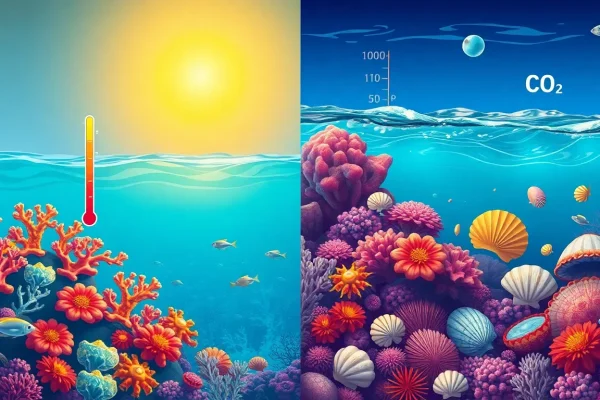
Ocean acidification and ocean warming are two distinct but interconnected consequences of rising atmospheric carbon dioxide. Acidification refers to the ongoing decrease in seawater…
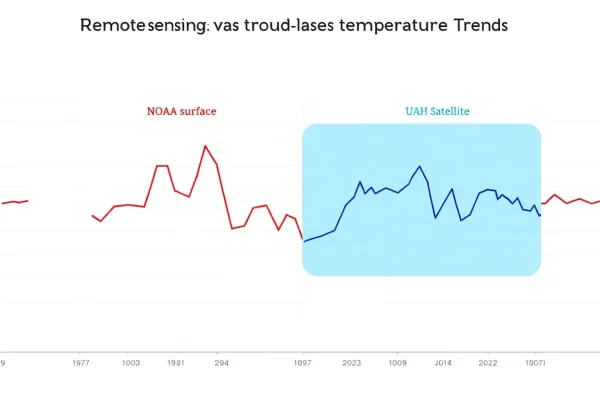
The difference between surface-based and satellite-derived global temperature trends for 1979–2023 is approximately 0.05°C per decade, with surface records showing a trend of 0.18°C/decade…
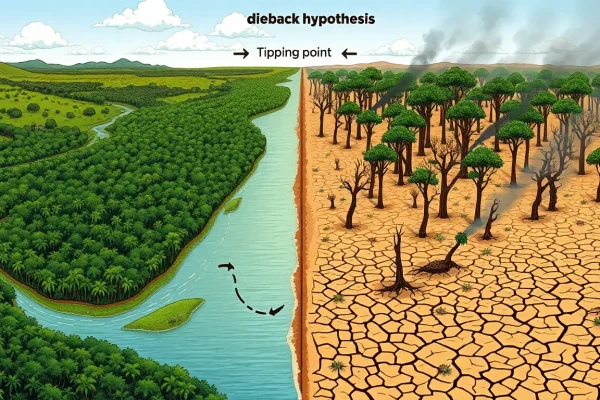
Amazon rainforest dieback refers to the hypothesis that a large-scale, self-reinforcing shift from rainforest to savanna or degraded forest could occur in the Amazon…
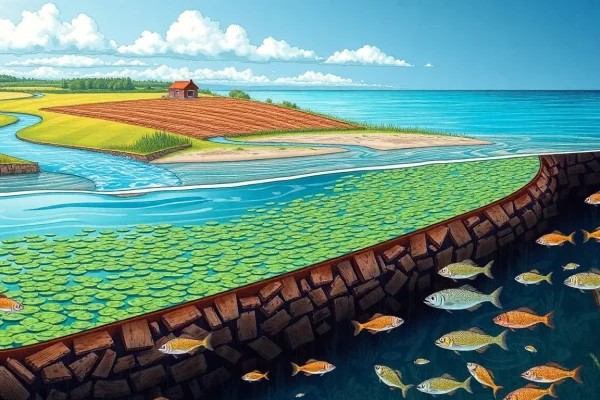
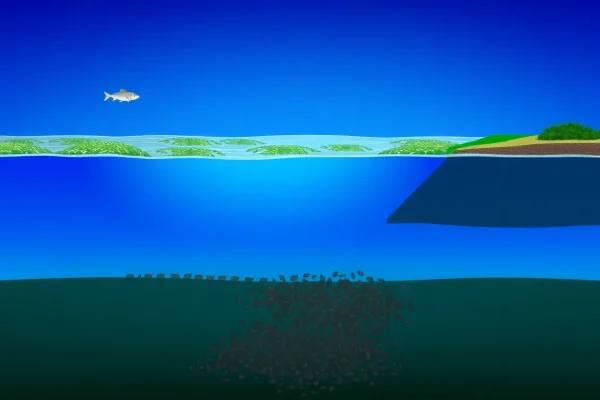
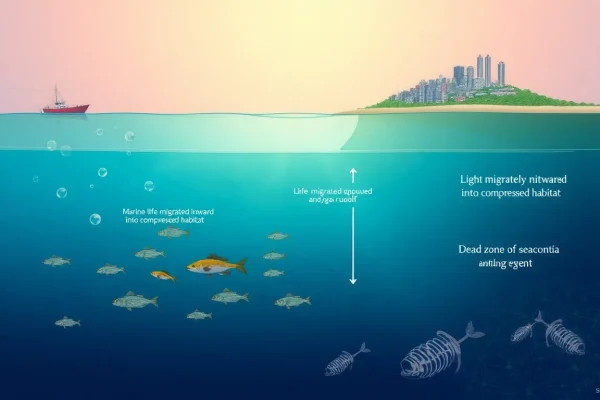
Coastal dead zones are areas of water with extremely low oxygen levels (hypoxia) caused by excessive nutrient pollution, primarily nitrogen and phosphorus from human…
Hypoxia and anoxia are conditions of low and zero dissolved oxygen, respectively, in water bodies. They occur when oxygen consumption by biological and chemical…
Ocean deoxygenation is the decline in dissolved oxygen levels in the world's oceans, driven primarily by rising water temperatures and nutrient pollution. Warmer water…
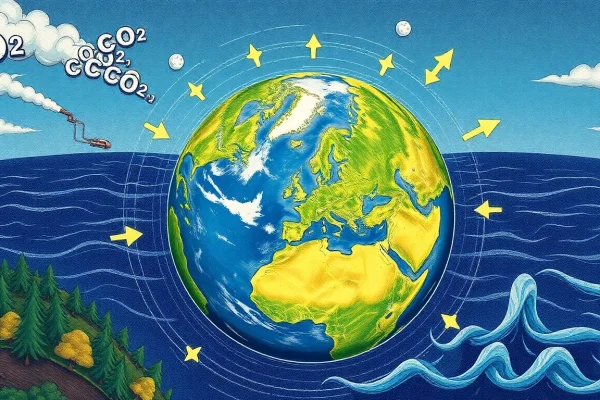
Carbon dioxide accumulates in the atmosphere because human activities—primarily burning fossil fuels and deforestation—release CO2 faster than natural sinks like oceans and forests can…
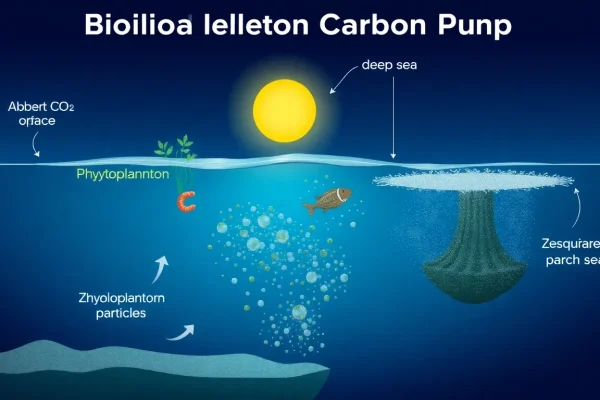
The biological carbon pump is the ocean's natural process of transferring carbon from the surface to the deep sea through the sinking of organic…
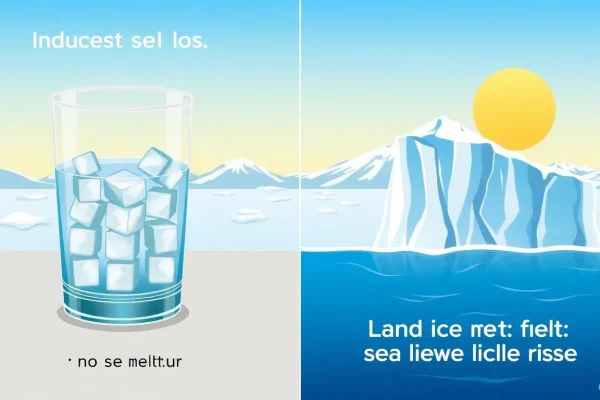
Arctic sea ice loss does not directly raise sea level because floating ice already displaces its own weight in water, following Archimedes' principle. The…