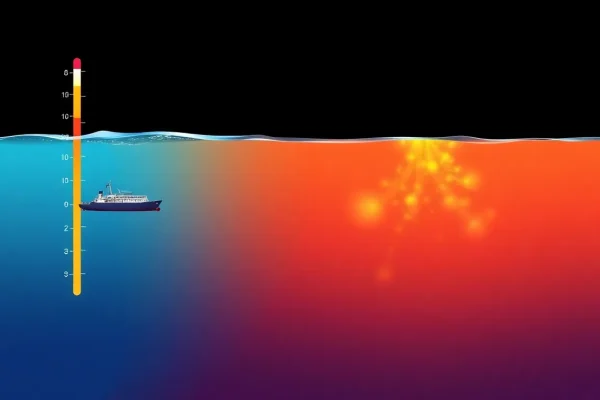
Ocean Heat Content vs Sea-Surface Temperature: Understanding the Difference
Ocean heat content (OHC) measures the total thermal energy stored in the ocean, while sea-surface temperature (SST) is the temperature of the ocean's surface…
Topic archive
Understanding the interconnected components and processes that shape Earth’s climate.
Ocean heat content (OHC) measures the total thermal energy stored in the ocean, while sea-surface temperature (SST) is the temperature of the ocean's surface…
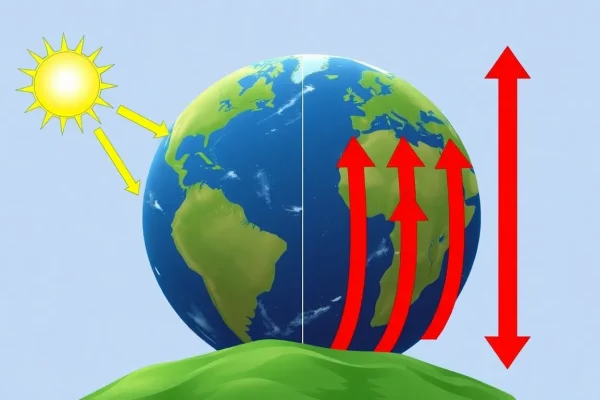
SHORT ANSWER: Earth’s energy imbalance is the net difference between incoming solar radiation absorbed by the planet and outgoing thermal radiation emitted back to…
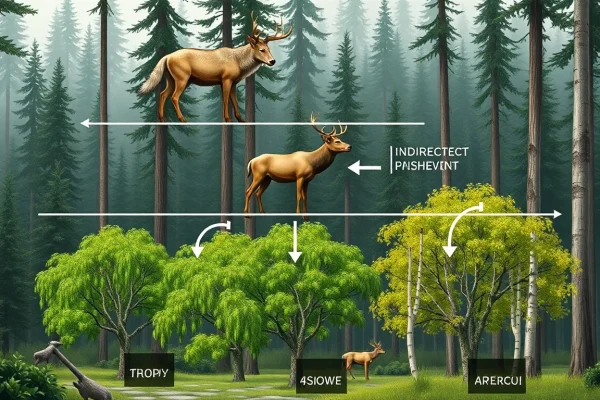
A trophic cascade is an ecological phenomenon triggered by the addition or removal of top predators, causing reciprocal changes in the relative populations of…
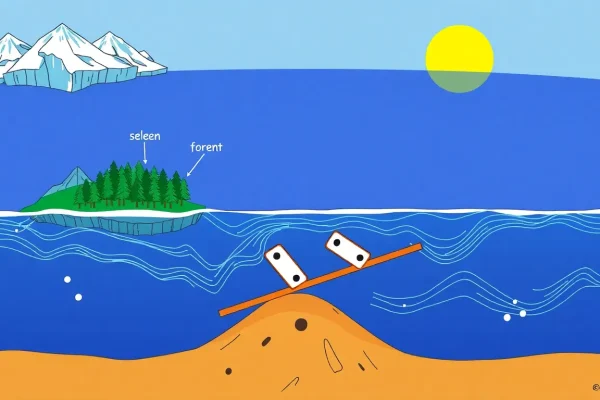
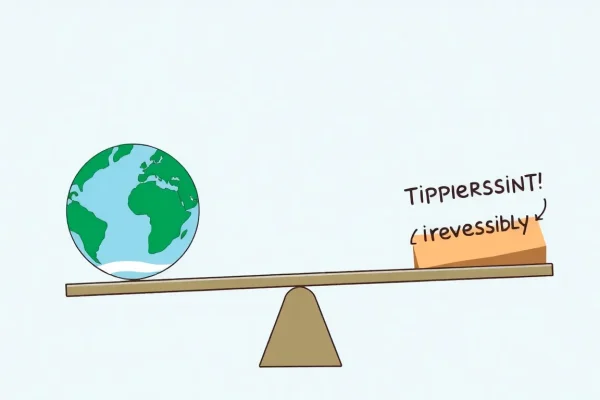
A tipping element is a large-scale component of the Earth system—such as an ice sheet, ocean current, or ecosystem—that can cross a critical threshold,…
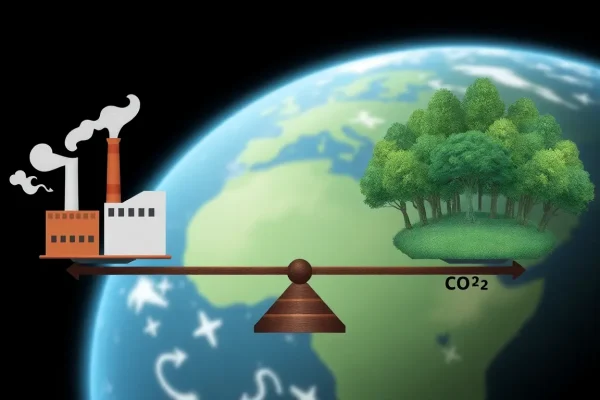
Carbon sources release more carbon into the atmosphere than they absorb, while carbon sinks absorb more carbon than they release. The balance between these…
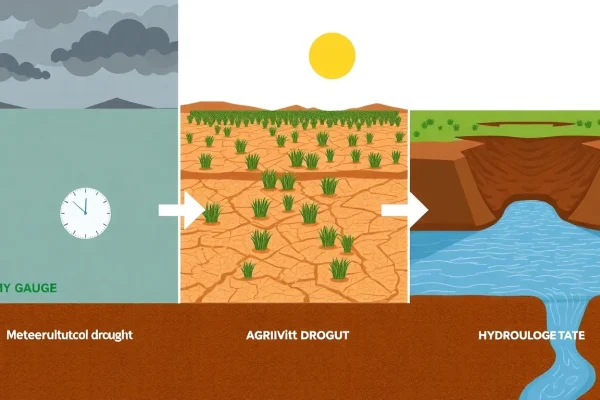
Meteorological, agricultural, and hydrological drought represent three stages of water deficit, from reduced precipitation to soil moisture loss and finally to depleted water resources.…
Resistance and recovery are two fundamental components of ecological stability. Resistance measures an ecosystem's ability to withstand disturbance without changing, while recovery refers to…
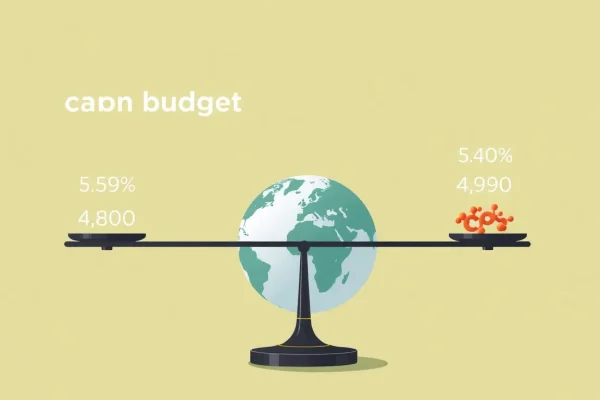
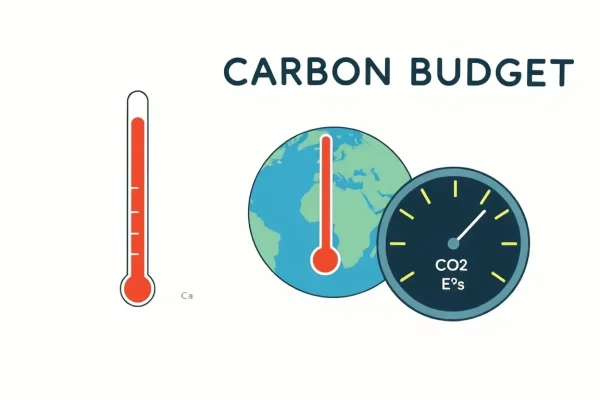
Carbon budget estimates—the amount of CO₂ that can still be emitted while limiting warming to a given temperature target—vary widely because of differences in…
Climate tipping points are critical thresholds where a small change can trigger a large, often self-perpetuating shift in Earth's systems. Whether they can be…
The remaining carbon budget is the maximum amount of carbon dioxide (CO₂) that can still be emitted while keeping global warming below a specific…