What Is Soil Organic Carbon? A Comprehensive Explainer
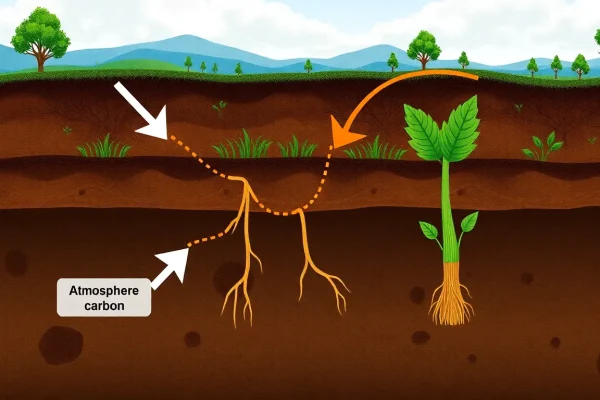
Soil organic carbon (SOC) is the carbon stored in soil organic matter, including decomposed plant and animal residues, microbial biomass, and humus. It is…
Topic archive
Guides on integrated approaches to managing food, water, and land resources sustainably
Soil organic carbon (SOC) is the carbon stored in soil organic matter, including decomposed plant and animal residues, microbial biomass, and humus. It is…
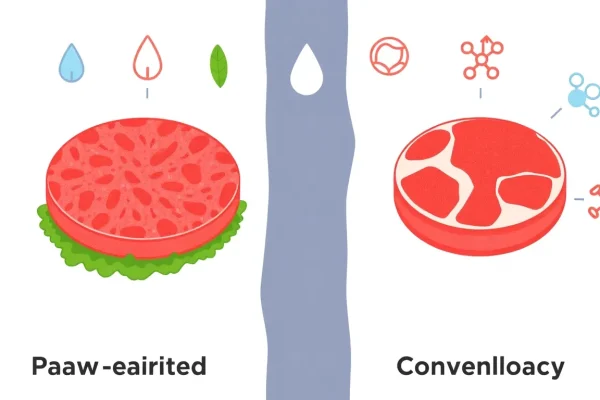
Plant-based meat is a food product made from plant proteins and other ingredients to mimic the taste, texture, and appearance of conventional animal meat.…
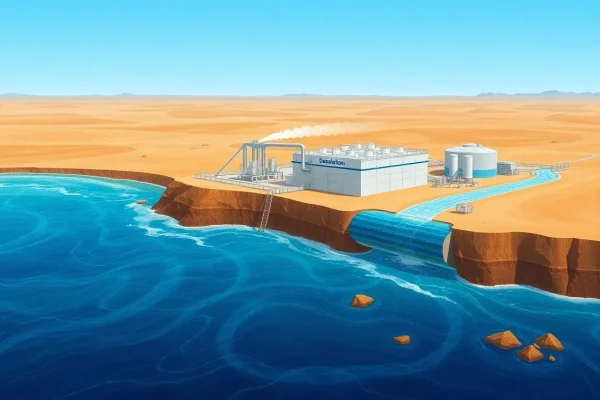
Desalination can augment freshwater supplies in coastal regions, but it is not a universal solution to water scarcity due to high costs, energy demands,…
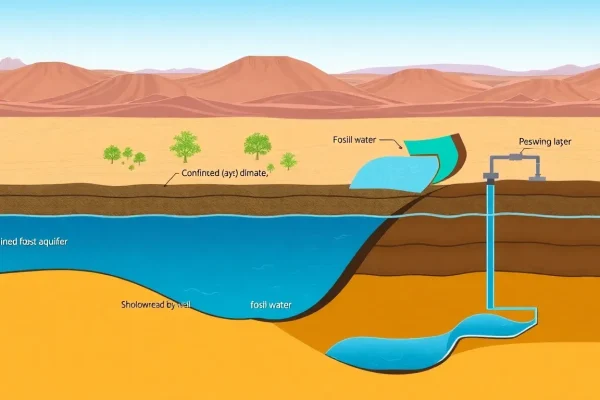
A fossil aquifer is an underground layer of water-bearing rock that contains water recharged thousands to millions of years ago under past climatic conditions,…
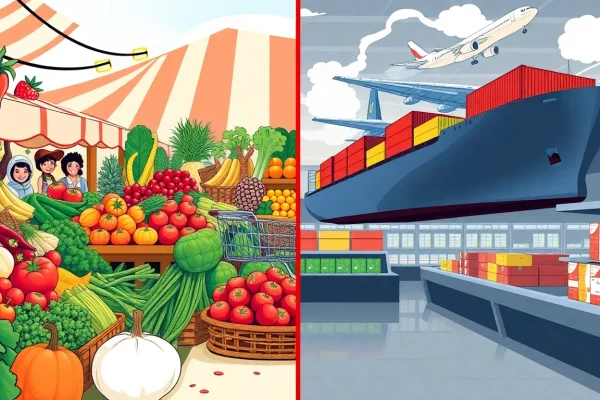
Seasonal food is grown and consumed during its natural harvest period in a specific region, while imported food is transported from distant locations, often…
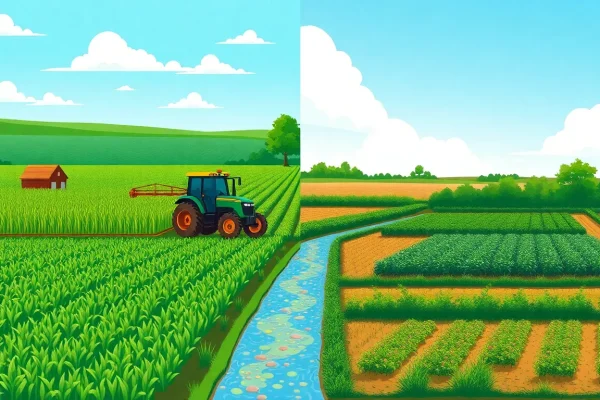
Conventional and organic agriculture each present distinct environmental trade-offs. Organic systems reduce synthetic pesticide use and enhance soil biodiversity, but typically require more land…
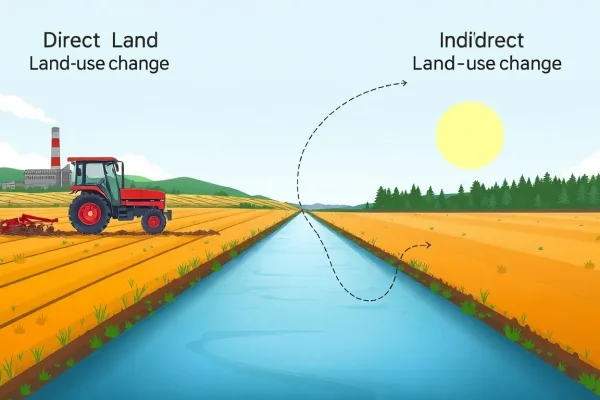
Direct land-use change occurs when land is converted for a new purpose, such as clearing forest for cropland. Indirect land-use change happens when that…
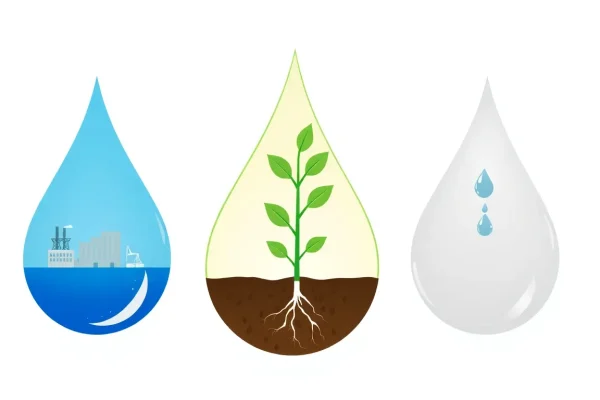
Blue water is fresh surface and groundwater consumed by human activities. Green water is precipitation stored in soil and used by plants. Grey water…
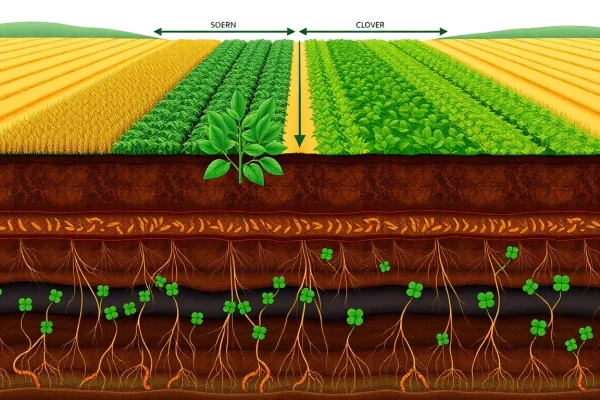
Crop rotation is the planned sequence of different crops on the same land over time, a foundational agricultural practice that improves soil health, reduces…
Lab-grown meat, also known as cultivated or cell-cultured meat, is produced by growing animal cells in a controlled environment without raising and slaughtering animals.…