What Is Crop Rotation and Why Does It Matter?
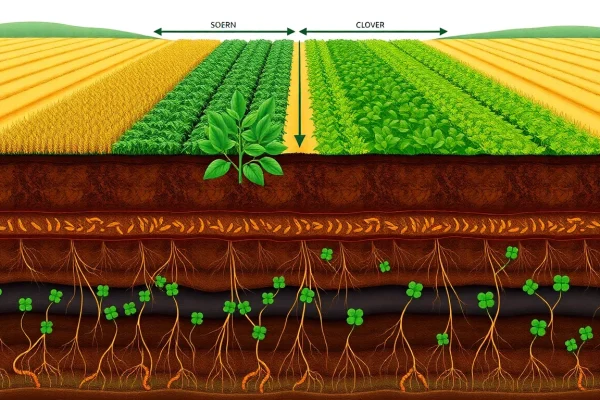
Crop rotation is the planned sequence of different crops on the same land over time, a foundational agricultural practice that improves soil health, reduces…
Topic archive
Guides on integrated approaches to managing food, water, and land resources sustainably
Crop rotation is the planned sequence of different crops on the same land over time, a foundational agricultural practice that improves soil health, reduces…
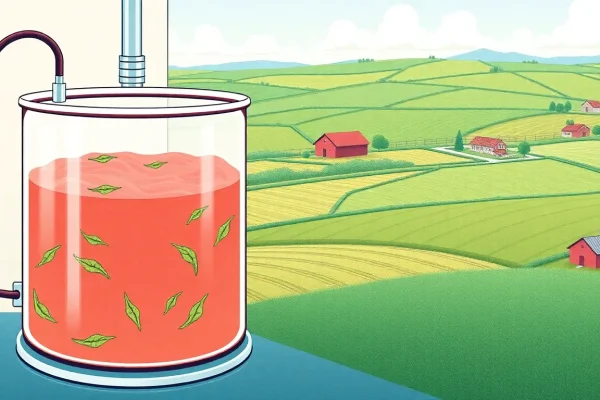
Lab-grown meat, also known as cultivated or cell-cultured meat, is produced by growing animal cells in a controlled environment without raising and slaughtering animals.…
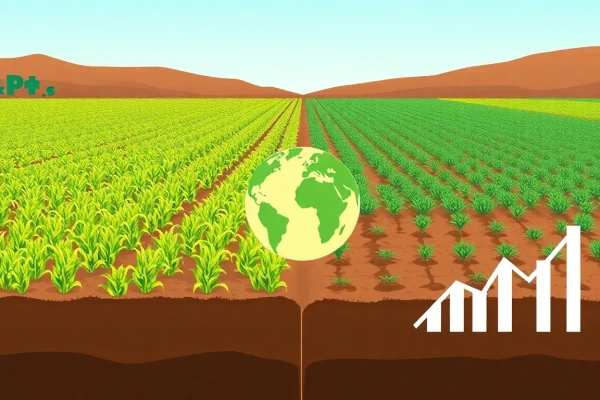
The agricultural yield gap is the difference between the potential yield of a crop under ideal conditions and the actual yield achieved by farmers.…
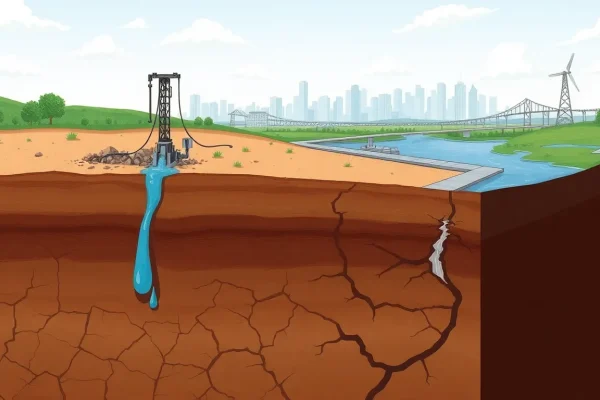
Land subsidence from groundwater extraction is the gradual sinking of the Earth's surface due to the compaction of aquifer systems when water is removed.…
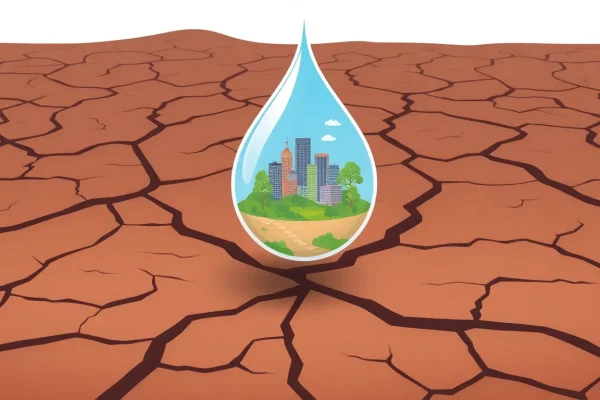
Water stress occurs when the demand for fresh water exceeds the available supply during a certain period or when poor quality restricts its use.…
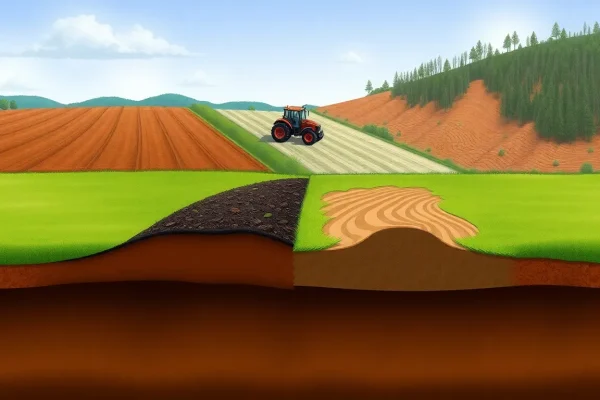
Topsoil loss is the removal of the uppermost fertile layer of soil, primarily through erosion by water and wind, accelerated by human activities such…
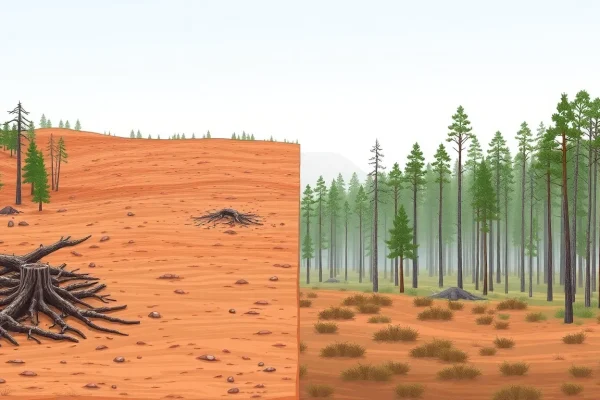
Deforestation is the permanent conversion of forest to non-forest land uses, while forest degradation is the reduction of a forest's quality and capacity to…
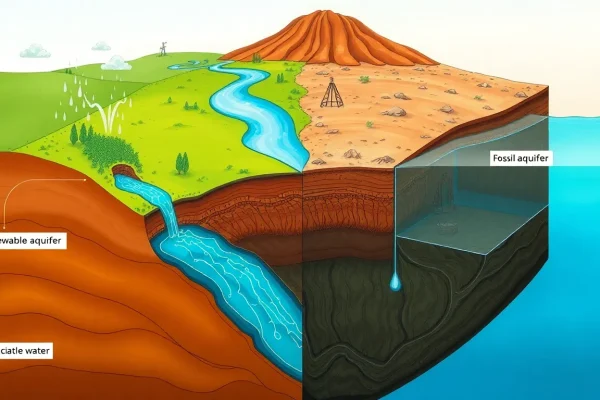
Renewable groundwater is replenished on a human timescale through precipitation and surface water infiltration, while non-renewable (fossil) groundwater was recharged thousands to millions of…
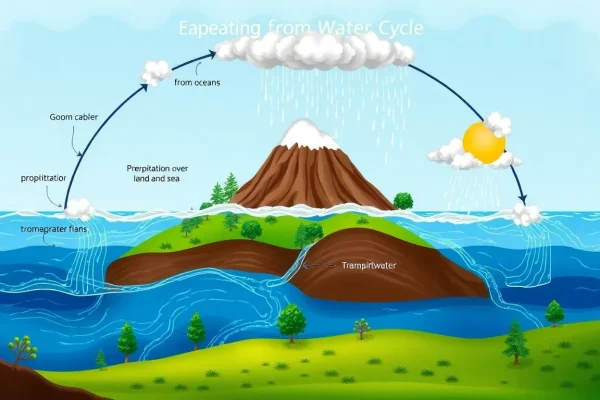
The global water cycle, also known as the hydrological cycle, describes the continuous movement of water on, above, and below Earth's surface. It involves…
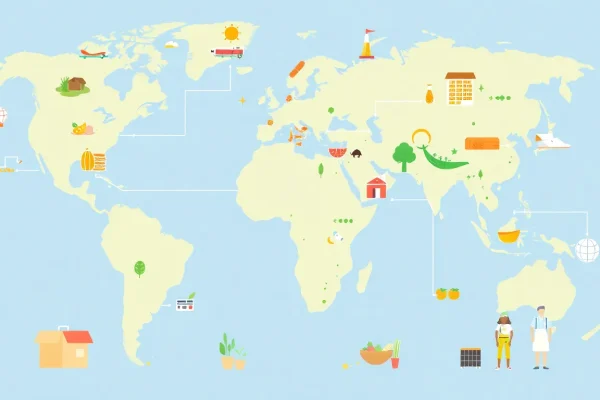
The global food system encompasses all activities and resources involved in producing, processing, distributing, consuming, and disposing of food worldwide. It is a complex…