Why Wildlife Corridors Matter: Connecting Habitats for Biodiversity
Wildlife corridors are natural or artificial pathways that connect fragmented habitats, allowing animals to move, migrate, and maintain genetic diversity. They are essential for…
Topic archive
Comprehensive resource covering the science, conservation, and management of natural ecosystems and species.
Wildlife corridors are natural or artificial pathways that connect fragmented habitats, allowing animals to move, migrate, and maintain genetic diversity. They are essential for…
Forests recycle atmospheric moisture by absorbing water from the soil and releasing it as vapor through evapotranspiration. This moisture forms clouds and falls as…
This conceptual study proposes a framework that positions healthy ecosystems as essential public health infrastructure, highlighting how ecosystem services such as disease regulation, clean…
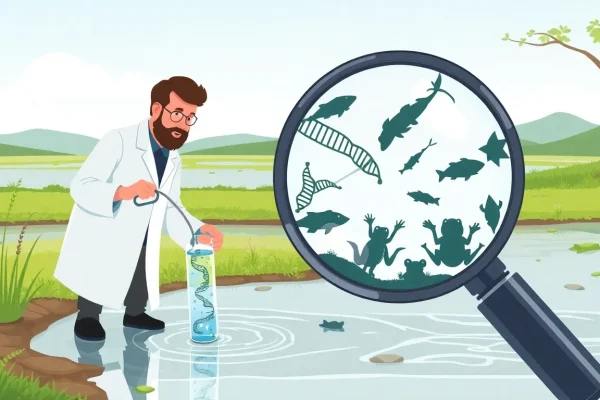
Environmental DNA (eDNA) is genetic material collected from environmental samples like water, soil, or air, rather than directly from an organism. It allows scientists…
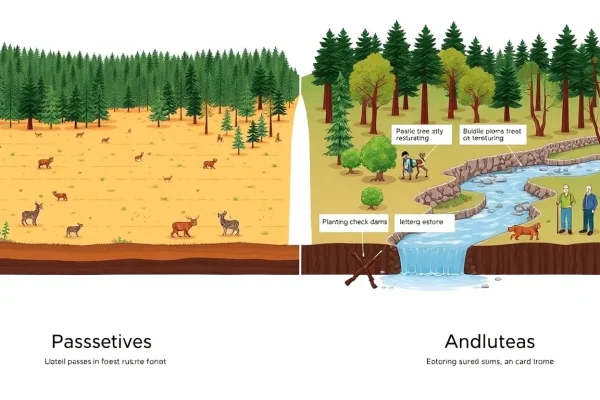
Passive restoration relies on natural recovery processes after removing disturbances, while active restoration involves direct human intervention such as planting and engineering. Both approaches…
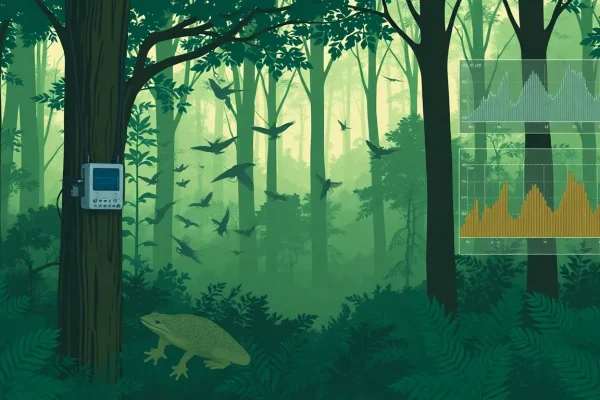
Bioacoustic monitoring is a non-invasive method that uses sound recordings to assess and track biodiversity. By capturing the vocalizations of animals and the overall…
An ecological trap is a low-quality habitat that organisms mistakenly prefer over better alternatives, often due to misleading environmental cues. This phenomenon can lead…
No Net Loss (NNL) is a policy principle aiming to balance biodiversity losses from development with equivalent gains, while Nature Positive is a global…
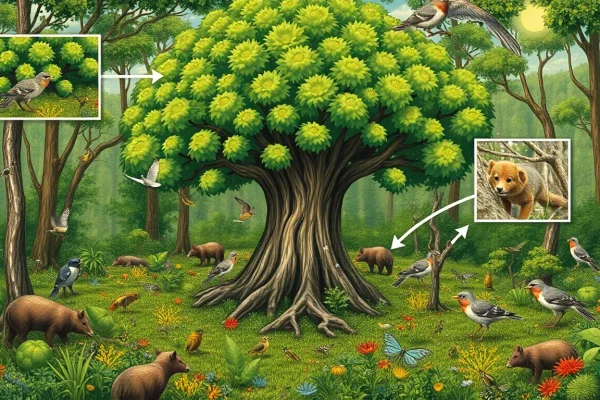
Common species, despite their abundance, are fundamental to ecosystem structure and function. They often contribute the majority of biomass, energy flow, and nutrient cycling,…
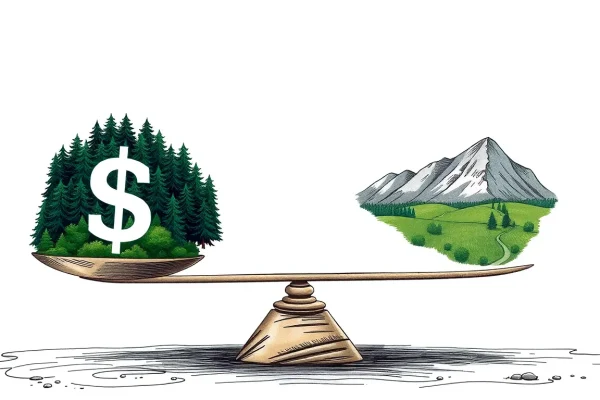
Natural capital is a framework that treats ecosystems and natural resources as assets providing essential services, aiming to integrate environmental values into economic decision-making.…