Why Chemical Mixtures Are Difficult to Regulate
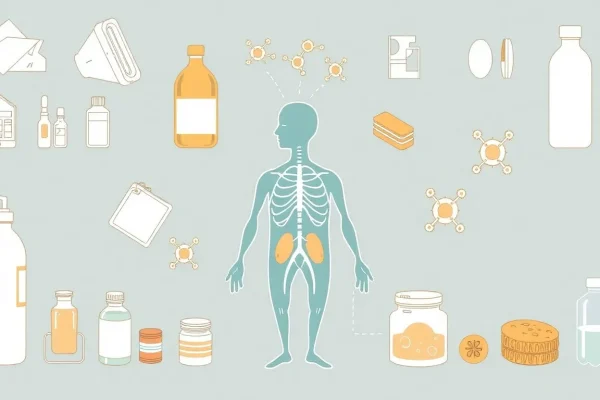
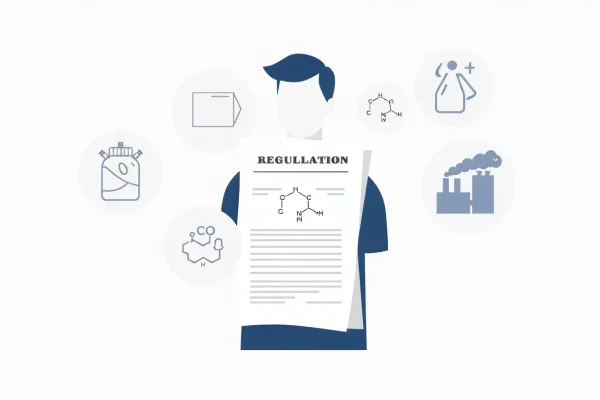
Chemical mixtures are difficult to regulate because most safety laws evaluate substances one at a time, yet real-world exposure involves countless combinations. The sheer…
Topic archive
Management of toxic substances across industrial and consumer products.
Chemical mixtures are difficult to regulate because most safety laws evaluate substances one at a time, yet real-world exposure involves countless combinations. The sheer…
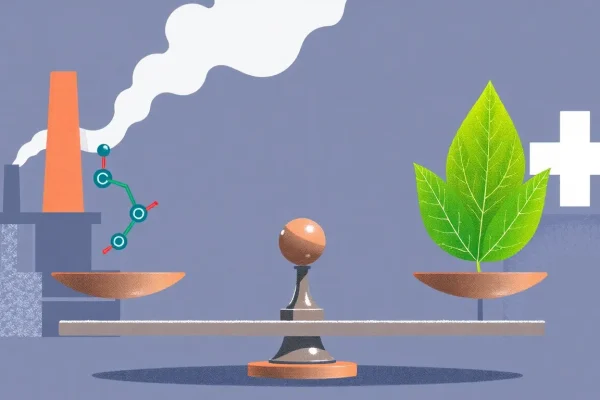
The essential-use concept is a policy framework that restricts the use of harmful chemicals to only those applications deemed necessary for health, safety, or…
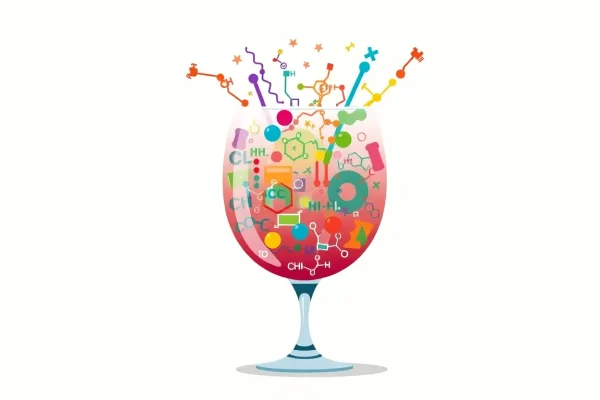
The chemical cocktail effect describes how mixtures of chemicals can produce combined health or environmental impacts that differ from the effects of individual substances.…
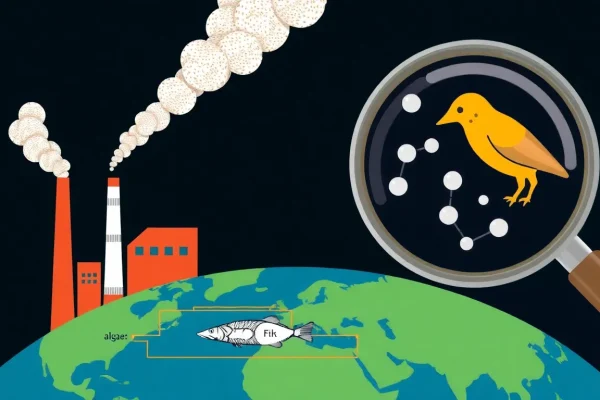
Persistent, Bioaccumulative and Toxic (PBT) chemicals are substances that resist degradation, accumulate in living organisms, and cause harmful effects. They pose long-term risks to…
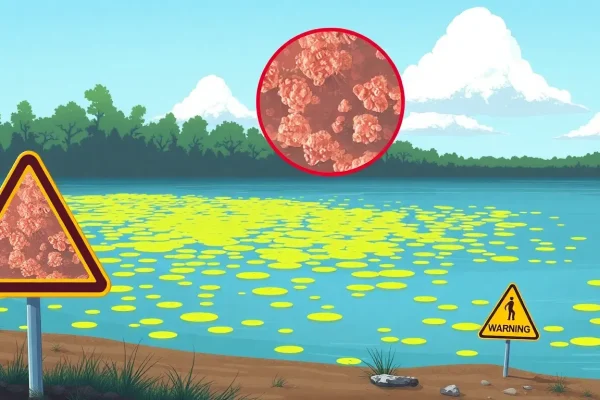
Some algal blooms produce toxins as a defense mechanism against grazers or as byproducts of metabolic processes. These toxins, known as cyanotoxins or phycotoxins,…
Endocrine-disrupting chemicals (EDCs) are substances that interfere with the body's hormonal systems, potentially causing adverse health effects. Found in many everyday products, they can…